vinosseur

…spontaneously fermenting

Vinosseur’s 2011

This video was meant to be posted last night, but thanks to my technological inabilities, it wasn’t.  Well here it is now as my first post of the 2012  along with a fresh new look and layout for Vinosseur. I would love to get your comments what you think about the new look!

Thank you all for this great year! Happy new year and see you in 2012!

Vinosseur’s 2011 from vinosseur on Vimeo.

Category: 1 WINE, Events, natural wine (100% living wine)

4 comments


A tasting note: 2009 Pierre Frick Crémant Zéro Sulfites ajoutés

I’ll be the first to admit that I am not a fan of Pierre Frick’s wines. I am sure the wines are good (in fact, positive they are good), and that they are made with quality, organically grown grapes, but they just don’t speak to me.  In fact, I have an issue with the wines of Alsace in general. Is it their flowery style I don’t like or their super-fruity expressions, some with residual sugar, that I find hard to gulp?  I have not tasted all the wines of Frick, have you seen how many different bottles of wine he produces?!


Anyway, on to this wine. A Crémant which is supposed to be one of the favorite of Frick’s wines according to many reliable sources – so I was looking forward to tasting it.  Made in the traditional Champenois method, then disgorged and dosed (upwards of Champagne Brut levels – I can only assume based on my tasting), this reasonably priced sparkler (about 55 Polish Zloty) is perhaps the most interesting sparkling wine available in Poland today.   That’s about all I can tell you about the wine because trying to find out any of the other details about it didn’t prove easy. i am not even 100% sure about the grape!  Pinot Auxerrois, Riesling, Pinot Blanc, or a combination of the three? One reliable source was confident that it was 100% Pinot Blanc. Ok, I’ll believe that.

Date Tasted:  November 18th, 22:00

Nose: Quince apple jam, semi-dried (not oxidized) yellow apples, persimmons, carrots (spiced, as in carrot cake),  and other sweet notes like melon, kiwi. Exotic but not tropical. Very complex indeed, very. I could have spent the whole night just smelling the wine, but I got thirsty ;)

Palate: Very fruity with some residual sugar, not sure how much, but enough to give this wine a semi-sweet edge.  Pecan pie (caramelized pecan’s for those who have not tasted the pie version). Great acid with a super long and complex finish. Would be great with not too sweet dessert cakes and some semi mature cheeses.

A very complex wine that has a lot going on and so many aromas and flavors. So much going on that some might even say the wine was unfocused. I would say, rather, that the wine was entertaining and kept me coming back to the glass to see what i would find next.  It would an interesting wine  to try again in 3-5 years. Or, the hell with it. Drink it now!

Who knows, perhaps I am becoming a believer….

Category: 1 WINE, Alsace, France, natural wine (100% living wine), Pfaffenheim

2 comments


A tasting note: 2007 Gabrio Bini Serragghia Rosso Fanino

The first time I met Gabrio Bini was….hold on….Facebook. Not a wine fair where most people meet wine makers. It was after I uploaded a photo of his Serragghia Bianco 2007 about a year or so ago and commented that the wine was interesting but thought the fruit was under ripe and green. A Moscato di Pantelleria vinified dry in amphora without any additives, including sulfur.  I remember really wanting to love this wine for many reasons, but I couldn’t get around that under ripe fruit.  Well, Gabrio saw this upload and my comment and made a comment himself “you should taste my younger vintages then!”. I was surprised. Instead of getting offended and trying to defend his wine, he rather said I should taste again – a more recent vintage.  Enough said.

We didn’t talk again for about 6 or so months,  when i received a message in my inbox, once again on Facebook. It was from Gabrio asking me where he should send this bottle for me to taste. I said, better yet, I will be in Italy in a few months, save the postage and send to my Italian address. He said he would do one better, he said he would meet me and hand deliver the bottle.  And so that’s the way it went.

We met and he not only had that bottle for me to taste, but 3 others (and multiples of each), one of which is the wine I am tasting here.

Some people may say that Gabrio is a bit of an eccentric, including myself.  He splits his time between Pantelleria, Milano and Paris and alongside him always is his wonderful artist wife Genevieve.  I could say that actually his wines are in fact as eccentric as Gabrio himself, starting with the label – which is the same for all of his wines, except slight variations in color. A large arrow pointing straight up with the name of the wine written sideways

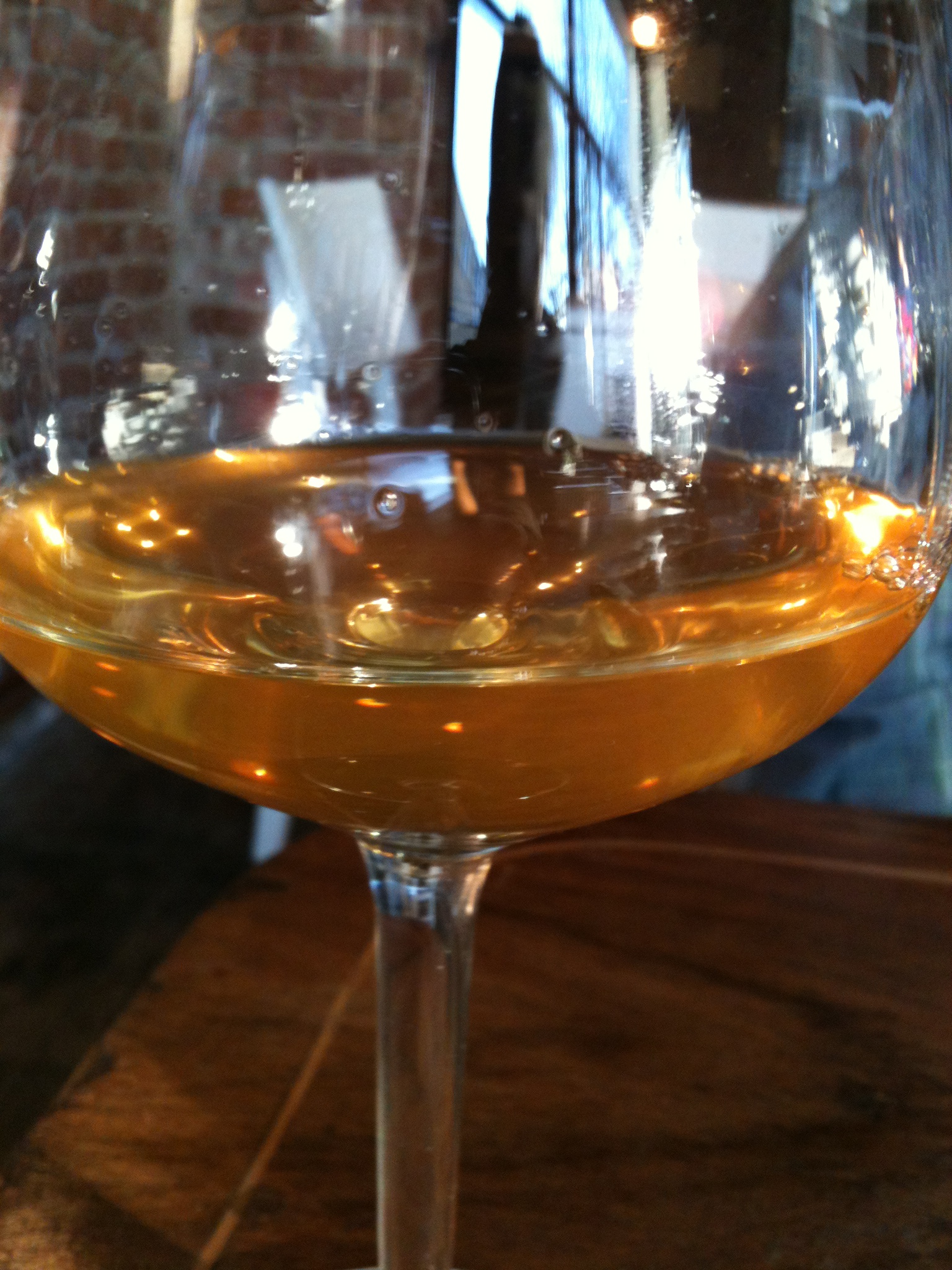
Ths Rosso Fanino is made from organically grown Cataratto (45%), Pignatello (45%) and Moscato d’Alessandria (10%). Fermented and vinified in amphora where it remained on the skins for 6 months giving this wine a gorgeous pink-orange color.   This process was made completely hands off.  The wine was bottled without filtration of course in April the following year.  1500 bottles were produced, 500 of which were transformed into sparkling versions that remained on the lees until very recently.

The back label even goes so far as to list ingredients, analytical figures like volatile acidity, etc and states in capital letters “NON CONTIENE SOLFITI” – “doesn’t contain sulfur”. At less than 10mg total sulfur, you don’t have to write on the label that the wine contains sulfur, but he takes it one step further. Obviously somebody from high up didn’t like this, and he is no longer allowed to list the ingredients on his back labels.


Date Tasted:  November 19, 22:00

Appearance:  see for yourself – click on decanted wine image to enlarge

Nose:  In one word, Spring.  Earl grey and mint tea aromas along with red flowers, like roses. Rose hips, musk and hints of watermelon as well.  Slight balsamic scents round of the wine well, as do the delicate mineral aromas.

Palate:  Wow.  Tea-like again, delicate and fresh. Tannic, but not too.  Again the rose hips and mint tea, delicate red flowers and red berries with a refreshing quality about it that you don’t often find in wine. The wine was too drinkable, if there is such a thing.

If you want to taste the wines of Gabrio Bini, last i heard, Pierre Jancou was serving them at his new Parisian establishment, Vivant.

Category: 1 WINE, 3 TASTING NOTES, Italy, natural wine (100% living wine), Pantelleria, Sicilia

Comment


VinNatur 2011 – producers to keep an eye on

Claude Bourguignon discussing soil life & microorganisims

Just got back from Zurich where I was cordially invited by Angiolino Maule of La Biancara. Not only does Maule make fantastic wines and value prices, he is also acting president of the VinNatur organization.   Day one was spent mostly attending a seminar with guest speakers such as Isabelle Legeron MW, Lydia & Claude Bourguignon, Federico Giotto, Terje Meling and Jonathan Nossiter (Mondovino). The day was interesting and long, but luckily concluded with an open tasting with 98 natural wine makers and their wines.

This is one of the reasons we attended the event, right?

All in all, there are not many tastings where so many amazing producers and wines can be found in one place. Overall the quality of the producers was high, especially in my opinion, the producers from Slovenia.  In any case, here is my quick rundown of the producers I felt showed promise, and were in my opinion the “ones to watch”

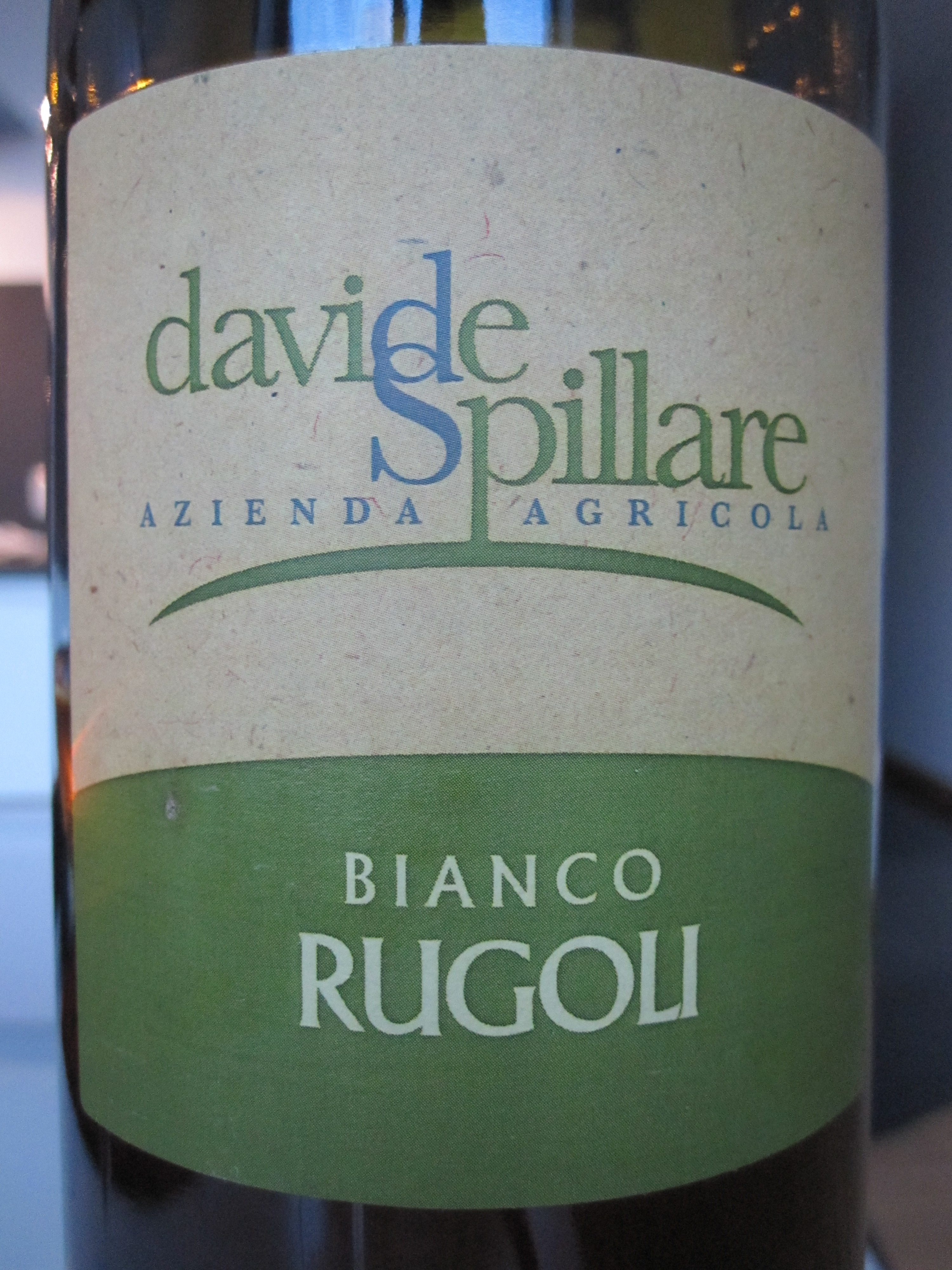
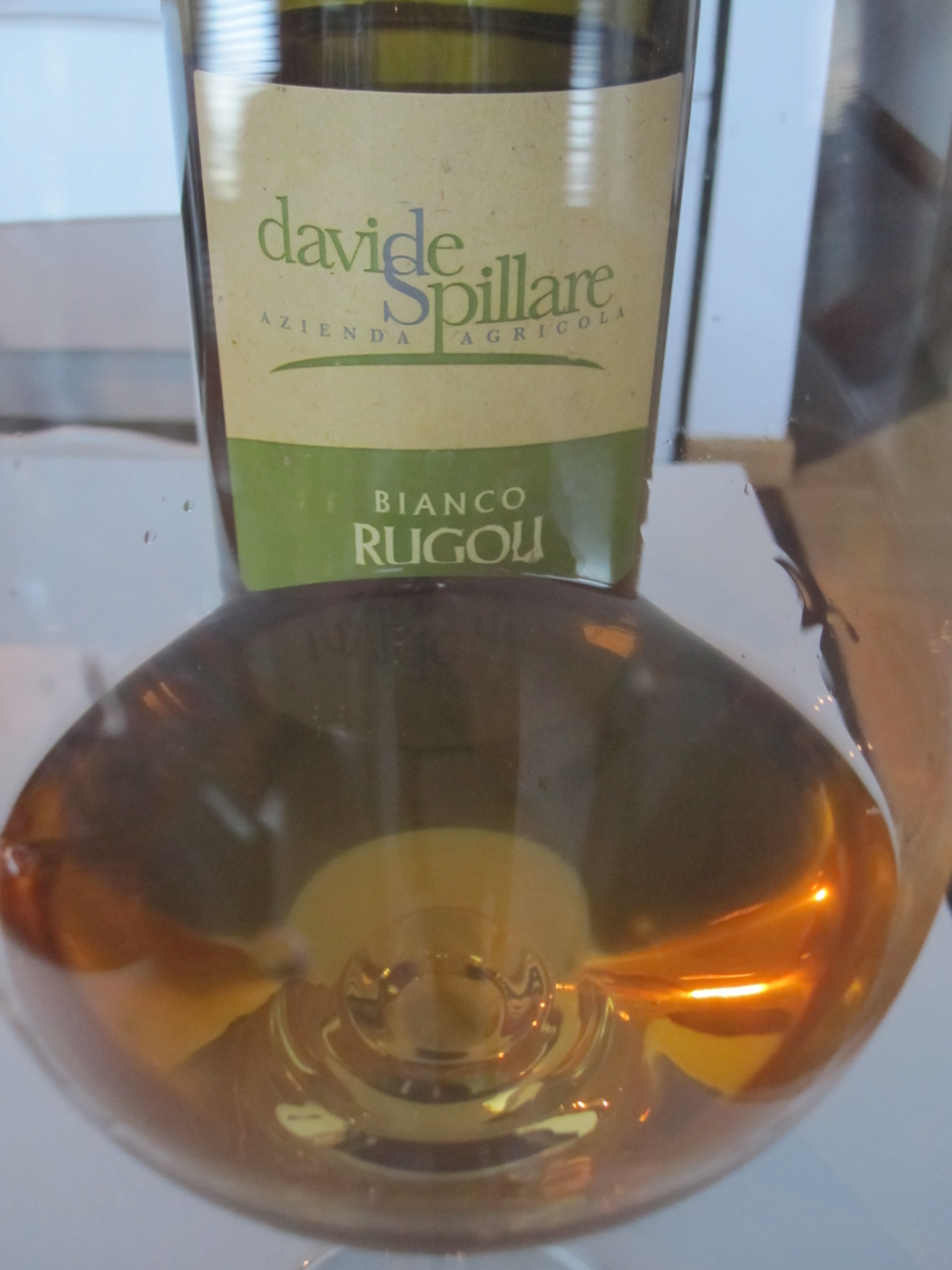
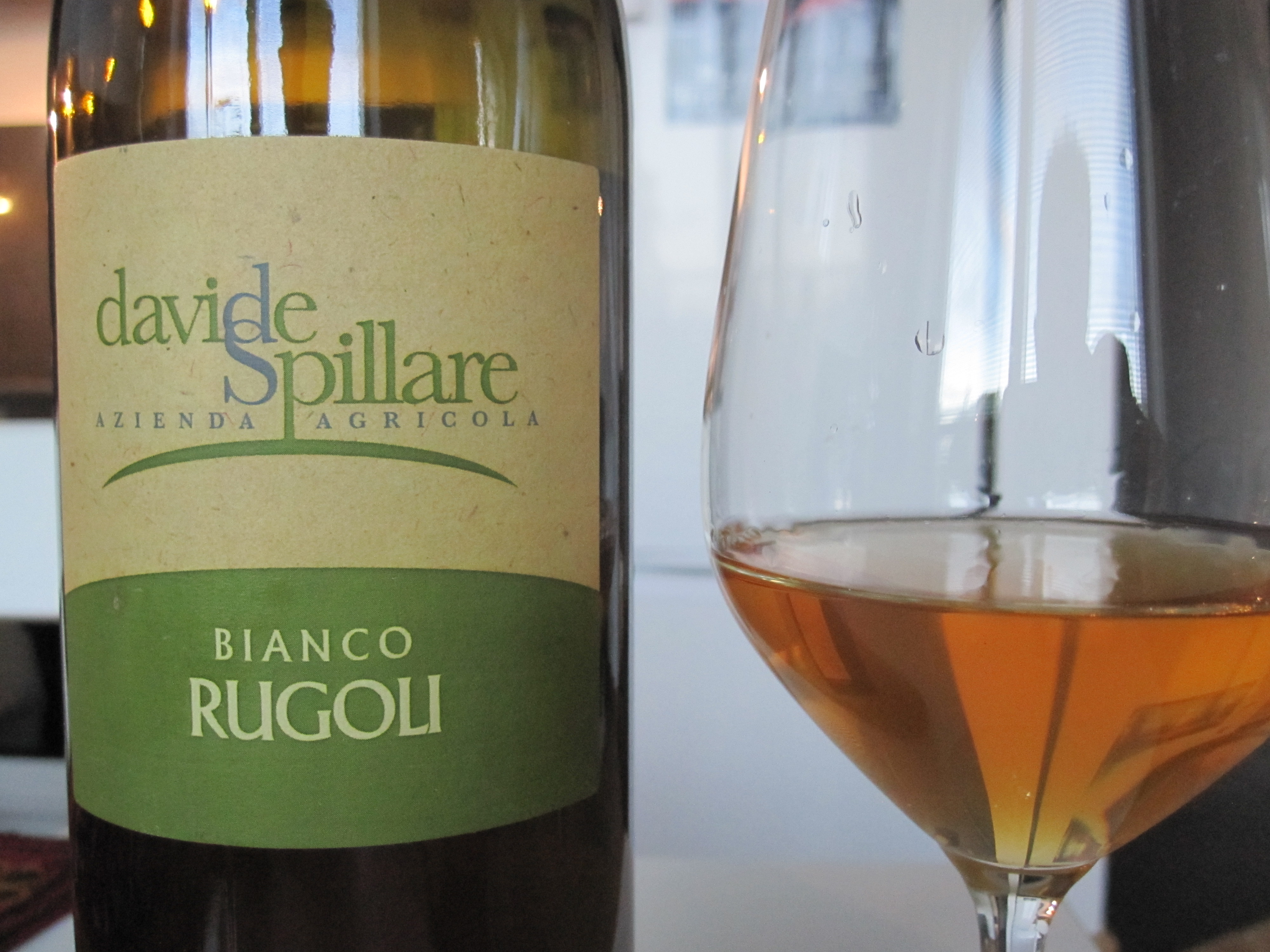
Davide Spillare showed real promise with Dolce Racrei Sparkling Passito

24-year old Davide Spillare from Gambellara, Italy (Veneto).  Worked under the guidance of Angiolino Maule, so it wasn’t surprising that his wines were not only good, but showed real depth and freshness without being “over the top” or overripe.  His whites (which I actually preferred) where made with very little sulfur added and his red was made completely without.  His Garganega-based sparkling pasito Dolce Racrei (which I have sold for about a year now at Jacob’s) is just delicious. Dried hay and fruit with a crisp acidic background and slightly smokey finish is perhaps one of the most interesting dessert wines I have tasted.

Next were the wines of Bodegas Bruno Ruiz (Toledo). These wines have been in Norway for a few  years now, but for every year they get better and better. The whites have a depth you don’t often find at the super-value price levels they are at. More and more of their wines are being made without the addition of sulfur indicating that their fruit quality has to be fantastically healthy. And their labeling is improving, or rather becoming more fun to look at..

The wines of Jean-Marc Espinasse of Domaine Rouge-Bleu from the Southern Rhône showed amazing fruit quality and depth. Yes, alcohol levels where high here, but still remained fresh. We tasted a very-old Grenache wine that was just so deep and delicious. He also splashed me an experimental, unlabeled Nerello Mascaslese that he was making on Mt. Etna. This also showed real promise, but a tad too much on the oak for my palate. Oh, and nice labels as well. these are actually what got me to his table to begin with

Dorado pictured here with Alice Feiring

Next were the wines of Marcial Dorado from Portugal.  I don’t have any wines from Portugal on my wine list. Not because there isn’t some quality wine in Portugal, but because I haven’t found any wines that I really like and that have the philosophy I search for in a wine producer. These wines were not only being made naturally, but again showed that real quality of fruit I expect in a wine, a living wine. Super-juicy, drinkable, low alcohol, deep and no oak. No oak in a wine is hard enough to find, but in Spain and Portugal even harder. The Alvarinho-based whites were especially interesting to me.

For me the highlight of the event was of course the wines of Frank Cornelissen whose wines never stop impressing me for their expressiveness. So deep and pure. I still have yet to taste wines like these. Love

Overall, the only criticism I had of VinNatur  is on the use of barriques by many producers.  There is still way too much barriques use for my palate and I wished that wine makers who prefer using oak, would use larger and older format wood so that their incredible fruit would shine through


Category: 1 WINE, natural wine (100% living wine), VinNatur 2011

5 comments


Too Beaujolais, or not too Beaujolais

Out with the bad reputation, in with the good?

Marcel Lapierre, who died last year, was perhaps the most important person to help save the reputation of the Beaujolais region, which was mostly known by the masses as “that place” where Beaujolais Nouveau comes from.  Always sour, rarely drinkable, until producers such as Marcel Lapierre, Jean Foillard, Guy Breton, Jean-Paul Thévenet and let’s not forget Yvon Métras came along and stopped adding selected yeasts to their Gamay grapes, or anything else for that matter. The recipe was easy, healthy grapes and a lot of hard work.

Now, I will admit that I never had the fortune to taste the wines made by Marcel Lapierre (his last vintage I believe was the 2009), due to importer/logistic problems I had in Norway. What, you say?! Never tasted the fruit of Marcel’s hard work?! Nope. Never. Nada

So, brace yourself as I taste the 2010 Morgon Sans Soufre *(please see “comments” below).  In fact, i tasted the 2010 vintage on 2 separate occassions. And I disliked the wine on two separate occasions.

2010 Marcel Lapierre Morgon Sans Soufre

November 4th at 19:00

Yes, the nose was intense in the sense that the aromas just jumped out of the glass. But, something peculiar…. I could swear that I felt sulfur. Yes, I know that natural fermentation will produce sulfur, but since none was added to this wine*(please see “comments” below) during the wine making (I expected the final number to be low) I was surprised to find it there – stinging my nose. And i also found this on other Lapierre wines from the 2010 vintage. I  found this on this Morgan (both bottles I tasted) and on the Raisins Gaulois…. In all the 2010 wines I tasted, aromas that were not very exciting  jumped out of the glass.  I didn’t find the aromas so fruity, but rather green like what you would get from underripe fruit. There were some small red berries also, but the green was dominant. Too dominant.

On the palate much of the same; green mostly with some light red berries and a structure and concertration that left me wondering if I was drinking an ordinary Beaujolais Nouveau.

After struggling through a couple glasses trying to grasp this wine, I decided to put it in the fridge until the next day to see if it improved, after all this was a Lapierre Morgon.

November 5th, 18:35

Appearance: Same as last night, a pale red, not very intense wine with a very slightly hazy, unfiltered look to it (which I liked)

Nose: most of the stinging I felt yesterday on the nose was gone. But there was still that sour, red fruit with dominating green notes I nosed yesterday. The wine is just not very ripe. One day or 5 years wasn’t going to change that. I just keep going back to that glass trying to find what it was that everyone spoke so highly of. I was really searching for that purity of fruit, and I just couldn’t find it. There were some hints of fruit in the form of little red berries and vague hints of watermelon, but not the pink juicy part, but rather the green meat closer to the skin..

Palate: In the mouth, the wine was showing the fruit a bit better than on the nose and a bit better than yesterday. The watermelon was there as well, but mostly the light pink part near the skin. The tannins have gotten a bit more aggressive than yesterday and were now dominating along with the underripe fruit. The acidity was quite high, but not that ripe, juicy acidity I enjoy that helps carry the wine to a long and happy ending that leaves you wanting to start again from the beginning. That first sip that leads you fall in love with a wine. This just doesn’t have that feeling for me. I don’t want to take another sip, and why would I when my mouth still feels «bruised» from that first sip. But most of all, this wine lacked some serious depth. Depth I would expect from a Morgan. Disappointed.

Some might wonder if this was a bad bottle, but the fact is it’s the second bottle I have tasted of Lapierre’s 2010 Morgon..or perhaps I’ve never really tasted a Morgon made by Lapierre. Or perhaps it’s a 2010 vintage issue.

Now, by contrast, I happened to have a bottle of Yvon Metras 2009 Fleurie Le Printemps in my cellar, so I thought what the hell. Let’s do another one of those odd comparisons i love to do just because i can :)  Yea, I know, two different vintages, two different Villages. So what.

2009 Yvon Métras Fleurie Le Printemps

After coming off tasting a 2010 Lapierre Morgon, one would expect that i may be disappointed, but I say that after the Lapierre it would be hard to be disappointed.

November 5th, 19:00

Nose: just as intesne as the Lapierre Morgon, but what, what is that I smell? Fruit, fruit and loads of it. Not under ripe and not overripe either, but really nice and fresh. Cranberries with a slight hint of peppery spice.. now I knew I was smelling a Gamay. Hints of barnyard and purple flowers give this wine a bit of edge that tends to make me smile. A wild side you might say. And none of that “sulfur” sting I experienced from the Lapierre.

Palate: Ah, balance, fruity with an amazing sweet cranberry finish. Fruit all the way from start to finish and what a finish it was, juicy with some cleansing tannings along the way. I would say quality here.

Great acidity that surrounded the wine just fine. Refreshing and begging me to take another sip, and so I did over and over again. The fruit was only just a bit dominant if I was to be crtitical. But, this is something that time will surely sort out. The wine is deep deep deep, something the Morgon was not. Another component that the Morgon lacked was concentration, which is something this wine has nothing to apologize for. Concentration could be it’s middle name.

Oh, and did I forget to say the word elegance? The wine was quite elegant, perhaps one of the most I have tasted from Beaujolais.

In the end I have to say that this wine isn’t exactly in my style, but it was in my opinion (not taste) that it was a better wine than the Lapierre Morgon. What I didn’t love about this wine is that there was a disturbing sweet note tied to the fruit, one which today is noticable but will very likely disappear in a few years.

Lapierre Morgon 2010 – light, green and bitter with the ability to leave the mouth a bit sore and not wanting more. A Morgon disguised as a Beaujolais Nouveau, sorry.

Métras Fleurie Le Printemps 2009– serious depth wrapped in juicy fruit, lively acidity and enough tannins to make it the perfect mate to food. Elegant and concentrated. Win


Category: 1 WINE, natural wine (100% living wine), Too Beaujolais or not too Beaujolais

7 comments


my grapes are healthy

Have you ever have one of those tasting experiences that leaves you feeling light, energetic, happy & humbled?  We were just in Piemonte harvesting grapes for our third vintage of our Felice wine. A wine we  first made in 2009 from healthy nebbiolo grapes without any additions during the wine making process or bottling.

After our harvest, we come back to the Felice homestead to return his crates, the ones we used to gather our grapes in.  As we get set to leave, Felice comes towards us with a bottle of the last vintage of his nebbiolo that he was to make, a 2006.  We sit down to taste, then drink. We are stunned, but not surprised, by the pureness of his unlabeled wine.  We ask him questions, he responds modestly.

“How do you make your wine?”

“I just pick the grapes and let it make itself.”

“What about sulfur?”

“Why should I use sulfur? My grapes are healthy. I never add sulfur when I make my wine.”

Then he goes back into his “cellar”, an outdoor barn/wine making facility.  A structure that at this late date in September was a quite warm 25 degrees or so.  He comes back with a bottle of his 1979 vintage, and it goes a bit like this:

“The year is 1979, the vineyards are in Barbaresco and the grapes are healthy. Felice Grasso goes out to harvest his nebbiolo grapes, something he has been doing for more than 20 years already. The grapes are brought down the steep hill into his very modest wine making facility, an outdoor barn like structure exposed to fluctuating temperatures between the seasons.  He destems, crushes lightly and lets his grapes ferment on their own, like he has always done, like his father did before him, and like he will continue to do up to that last vintage, 2006. He adds nothing, and why should he? “My grapes are healthy”

Back to 2011. It’s been about 30 years since he bottled that 1979.

Felice doesn’t add anything to his grapes. At all.

Felice doesn’t store his wines “properly”

Felice doesn’t label his wines for sale

Felice doesn’t drink other peoples wines

What Felice does is make great wine. Honest wine. Transparent wine. A wine that after 30 years of standing alongside other bottles and being subjected to sunlight and varying temperatures, was supreme. Yes we were in Piemonte. Yes it was a beautiful day. Yes we were drinking a 30 year old wine. And still, the wine was supreme.

You said it wasn’t possible. Well it was, it is and it will be.


Category: 1 WINE, 9 WINE THOUGHTS, my grapes are healthy, natural wine (100% living wine)

3 comments


A tasting note: 2008 Porta del Vento Saharay

Azienda Agricola Marco Sferlazzo
Contrada Valdibella
90043 Camporeale, Sicilia
info@portadelvento.it
www.portadelvento.it

Certified organic Catarratto grapes grown with the help of biodynamic preparations at an altitude of about 600 meters above sea level. Grapes are harvested by hand and brought immediately to the winery where they are gently crushed and left to ferment spontaneously. The skins are left to macerate with the juices for about 30 days in open oak vats without temperature control and without the addition of sulfur. Punching down the cap is done by hand 3 times a day, followed by a soft pressing in a manual press.  Maturation in 2500 litter botti (oak barrels) for just under a year. Bottled without filtration and without the addition of sulfur, of course.

Date tasted (numerous times, but for this note):  Sunday September 11th, 2011 9:00pm

Appearance: Dark orange-amber with brownish reflexes (which increase with time in the glass). Shows a bit more age than the 3 years would indicate.

Nose:  spices, apricots, ginger, leafy, molasses and hints of volatility give this wine an interesting edge which keeps  you sniffing it for minutes and minutes before tasting it. Like many skin-macerated whites, this wine hints of sweetness which could lead the unsuspecting to expect a sweet wine on the palate. The last sniffs reminded me of Vin Santo (a sweet wine from Toscana made from dried grapes)

Palate:  I have tasted many skin-macerated whites and knew what to expect: a fruity, yet bone-dry wine. What I didn’t expect (and always surprises me with this wine) is the tannic structure. Owing to the long skin-contact and 10-12 months in oak barrels, this wine packs a tannic punch making it a perfect match for fatty foods such as Fois Gras, duck and some creamy cheeses.  I have also had success serving this with savory dishes like mushroom soup. Very spicy (cardomom, cinammon and ginger) with the usual yellow fruits like apricots and peaches. A semi-long and dry finish round out the wine nicely.

I like the wines of Porta del Vento and have tasted almost the entire product line. The prices are fair as well.  The Saharay I especially like because of it’s masculinity, a trait I don’t often find in skin-macerated whites making this wine more interesting to me. But I also have to point out a negative characteristic of the Porta del Vento wines I have tasted.  As far as I know, all the wines spend some time in oak and leave the mouth with this rather disturbing dryness. A dryness that can be attributed not only to the fruit, but to the oak.  Oak is certainly not dominant in their wines, in fact I would say that the oak is used judicially (it doesn’t “flavor” the wine).   I just prefer to have no oak in my wines letting the fruit shine through without any interruption, especially in wines that have such fresh fruit character, like the wines of Porta del Vento.  The other complaint I have is that these wines should be drunk up the night you open the bottle. Two or three days open and I find that the wines oxidize.

Back label detail - click on photo to enlarge

Category: 1 WINE, 3 TASTING NOTES, Camporeale, Italy, natural wine (100% living wine), orange wine, Sicilia

6 comments


Taste damn it, taste

Stop, slow down. Taste that wine. I have gotten so comfortable with the wines i drink and love, that I sometimes forget to taste. After all, isn’t that the way i was taught? I was taught to observe, smell and taste the wine in the glass. I was taught to analyze the wine in the glass. I was taught to take notes. Well enough, I am glad that I was taught the basics about wine. I built a proper foundation based on schooling, studying and tasting.  I even excelled at it.   Then something started to happen….

I decided to go off the beaten track. think for myself if you will. This started to happen a few years before going to school, but especially after.  I began to read less and began tasting more.  I told people around me that were interested in wine to put down the books sometimes and taste. After all, I felt that a glass of wine could teach us more than a text book could.  I improved my tasting skills,  and grasped the concept of quality, one of the most important aspects of wine tasting.

I quickly found myself on the track I am on today. the road that was paved by education and my experience.. A road that lead me to wines that I feel express so much, wines that are so drinkable, and most of all, wines that are so natural.

Then something happened. I started enjoying the wines. Really really enjoying the wines. Enjoying the wines to the point that I sometimes found myself forgetting to taste that glass of wine. That damn glass of wine which I enjoy so much, but forget to really taste.. Like I used to, like I was taught.

Although I encourage people interested in wine to study wine, I also encourage people to think for themselves. I encourage people to taste taste taste. Enjoy that wine, but slow down…..and never forget to taste that wine.

beautiful cement eggs at Meinklang in Pamhagen, Austria

Category: 1 WINE, natural wine (100% living wine)

6 comments


A tasting note: 2006 Le Mazel Cuvée Raoul

Ok, you can’t make a wine without the addition of sulfite’s right? I hear this over and over again.  If this comment came from your average everyday wine drinker, then okay, at least this person would probably be open to my opinion on this, and would very likely listen with interest. Unfortunately, this comment most often comes from “knowledgeable” wine persons. Wine persons who the minute you say that you can make wine without the addition of sulfur, get in your face and say that it “is impossible!”.  At this point they’re smirking and looking the other way and don’t even want to humor the discussion

The second comment I hear often is, wines made without the addition of sulfur cannot be stored and must be drunk up right away. Hmmmm. These two reasons are exactly why I have my blog. So that I can express myself about things I not only believe in, but have some experience with.  My more than 7 years experience working and selling wine.  My more than 4 years experience working and selling wines made without the addition of sulfur. Actually, without the addition of anything. Like I always say, nothing added, nothing taken.  So there…

The Cuvée Raoul is a wine I have tasted many many many times. In fact, about two years ago when i first started to sell this wine at Jacob’s, we sold lots of it.  And I mean lots of it.  100′s of bottles. Why?  Because it was good and we liked it.  In fact, our guests liked it and these are the reasons  we could not keep the wine on the shelves…

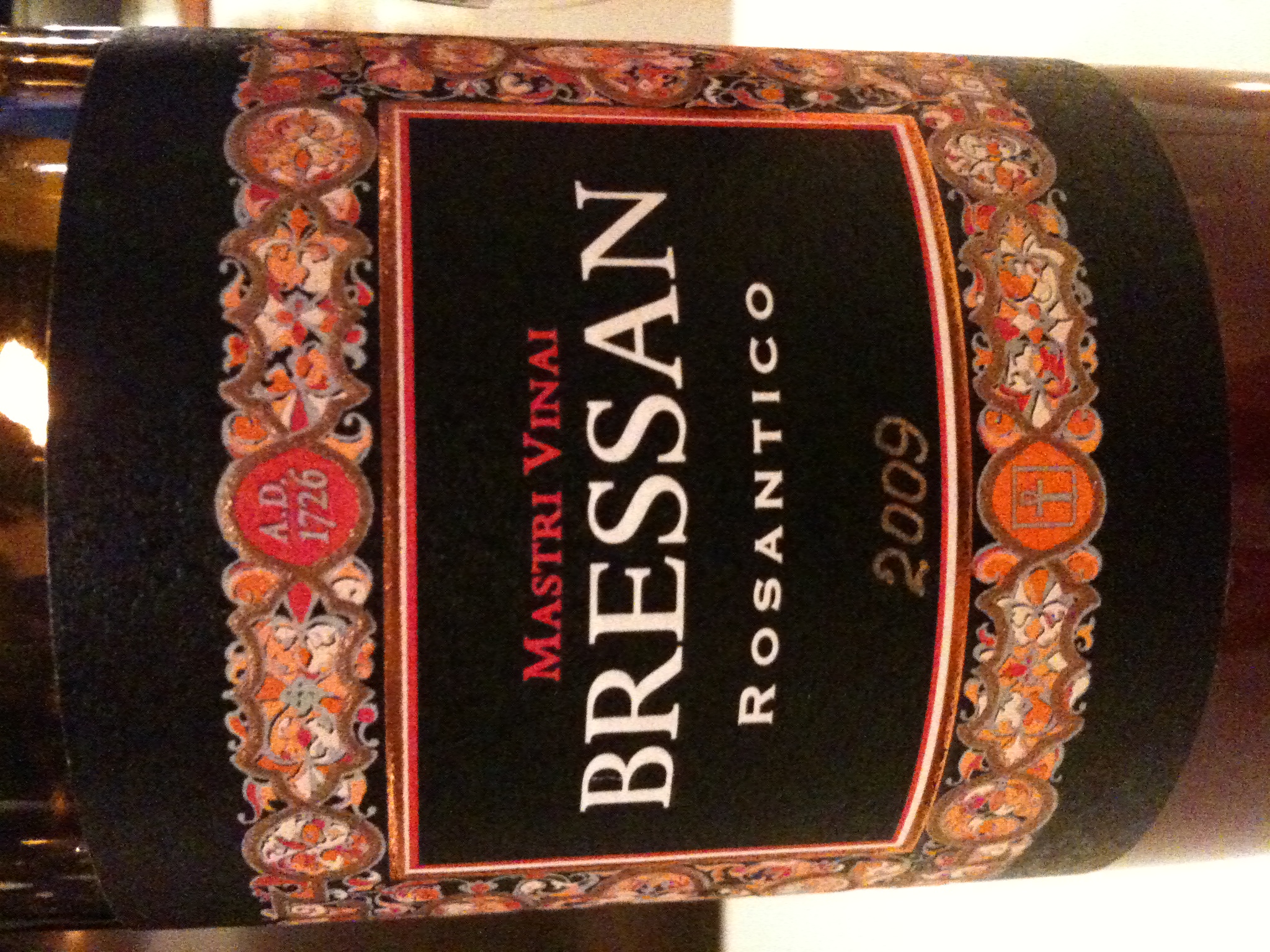
Cuvée Raoul is one of the most consistent and stable “natural” wine’s I have sold (Bressan being another). There was hardly any bottle variation and once opened, stayed drinkable (in fact improved) for up 18 days.   I once had a bottle opened for 21 days before I noticed any fade in the fruit. Of course I must disclose that the 21 days was deliberate. We drank a few glasses, put the cork back in and placed it in the wine cooler…..and waited..

Gérald & Jocelyne Oustric’s Domaine Le Mazel is located just south of Ardeche in the Southern Rhône (in France, of course).  They have been making wine without the addition of sulfur since 1998. This might explain why their Cuvée Raoul was so stable, so alive.  They don’t add anything to their grapes after hand-harvesting the grapes. No yeast. No enzymes. No acid. No sugar. Nada

The 2006 Cuvée Raoul is made up of about 70% Grenache and 30% Syrah grapes from soil dominated by calcarious clay (vineyards are in Valvigneres). Spontaneously fermented in steel where it stayed on the skins (maceration) for 40-60 days before being pressed and transferred into cement where it matured before being bottled without fining or filtering.

Date tasted:  Saturday May 28th, 2011  17:45

(I will preface this by saying I hadn’t tasted the wine since my birthday over a year ago and wasn’t sure what to expect when i opened the cork)

color: still a perfect medium bluish-red, no real development showing. Medium intense and clean. No visible sediment.

Nose: Very intense and very, very aromatic. Floral – Violets.  Sweet cherries and “amarena” cherries. Hints of farm and cough syrup-like notes. Some gorgeous volatile aromas to help carry those aromas out of the glass and into my nose without being sour or vinegary.  Cherry cough drops. No development noted and no oxidized aromas. Very fresh.

Palate: Fine focused fruit showing no development on the palate either. Very sweet fruit. Very, very slight hints of cured meats (think prosciutto here), which I remember also being there the last time I drank the wine. Medium high acidity with medium, sexy (fruit) tannins that gripped nicely. Very long finish. Alcohol is hardly noticeable at all at 12.5%, only helping give this wine some weight.

We were pleasantly surprised at how well this wine was drinking going on 5 years and the only ingredient besides passion and love was healthy, ripe grapes.  Listen up…. not only was this wine made without the addition of sulfite’s, I was lucky enough to have not drunk it up “right away”.  These two facts brought us a half hour of great pleasure a few days ago..


Category: 1 WINE, 3 TASTING NOTES, Ardeche, France, natural wine (100% living wine), Southern Rhône

5 comments


A tasting note: 2004 Thierry Allemand Cornas Reynard Sans Soufre

A local boy who didn’t have the fortune of being born into a wine making family, nor did he inherit any vineyards, Thierry’s interest was self-inflicted. He was a young,  “angry teenager” when he created his first vineyard in 1982, a tiny 0,26HA (0,16HA of this were vines planted in 1961), next to Auguste Clape (La Côte), slowly thereafter adding two more tiny, well-located plots, Chaillot & Tézier. For the most part the vines were young, but to these babies he added some vineyards dated 1905-1908 and shortly thereafter, the addition of some Reynards that dated back to 1934. He now has a total of 4,15HA.

Today, Thierry produces three wines. Chaillot (approx 6000 bottles) from vines of less than 40 years of age, the older vine Reynard (approx 6000 bottles), and his sulfur-free version of Reynard (simply called “Cornas”, approx 2000 bottles), the wine discussed here.

Thierry has always worked on his own without an agricultural diploma, and without paying attention to what his neighbors were doing.   He does his own rootstock grafting and pruning of the vineyards to get his yields down to about 25-30 HL/HA.  He typically harvests later than his neighbors taking on more risk, yet allowing him to avoid chapatilization (the adding of sugar to unfermented grape must to increase alcohol).

In the cellar, he has practiced very low sulfur dosages in his vats since 1992. In 1996 & 1997, he used no sulfur. He has been making his Sans Soufre “Cornas” (from the Reynards vineyard) since 1998. He is known to use some other unorthodox techniques in Cornas like Macération Carbonique (carbonic maceration) for some of his grapes to extract fruit and to secure finesse. The Syrah grape is a grape that often requires aeration to eliminate the threat of reduction. Thierry’s answer this is simple: “I don’t add sulfur. Then you can leave the wine alone”, he goes on to say.

Date tasted:  June 2, 2010 23:30

Appearance: Very deep red with little or no visible development. I must disclose, however, that the room was very dimly lit and it was very difficult to gage any visible development.

Nose: Young & tight, extremely balanced nose of dark fruit with a bright fruit background. Super young black olives with fresh pepper. Very focused indeed.  A very expressive Syrah and a very typical Allemand.

Palate: Dark berries with sour red fruit to balance out the wine. Gripping acids and elegant tannins and a finish that “sticks around” for seemingly forever. A very sexy wine that can remind of a top Burgundy in its youth. Very elegant, tight and fresh. Very focused, tight, balanced and sexy! The alcohol is barely perceptible.  A statement in elegance, finesse and freshness.

00:36

Still an amazing and open wine, but very, very slight oxidation was showing at this point.. Then the wine disappeared into our bellies 

I have had the extreme fortune of tasting Allemand’s wines on numerous occasions and although my palate has evolved, his wines never cease to impress me.  I’ll raise a glass in his honor any time.

(Thank you to John Livingstone-Learmonth and  “The Wines of the Northern Rhône” for the useful Thierry Allemand information)


Category: 3 TASTING NOTES, Cornas, France, natural wine (100% living wine), Northern Rhône

Comment


categories

  • 5 VIDEO WINE TASTING
  • 8 FOOD
  • Events
  • Photos

about


Vinosseur is the company name of sommelier Joseph R. Di Blasi. Vinosseur.com is his web page where he writes about wine, food, restaurants and other gastronomic experiences.

Joseph has a special place in his heart for quality wines from the old world, especially France & Italy, with a strong focus on Organic, Biodynamic and Natural wines.

Joseph grew up in Italy and California, but left The States in 2002 and now resides in Poland.

get in touch

Joseph would love to hear from you! You can contact him by email at vinosseur@gmail.com


Foodista Featured Wine Blog of the Day Badge