Posts Tagged ‘orange wine’

Welcome (Back) to Georgia Part III – Prince Makashvili Cellar

Sunday, August 15th, 2010

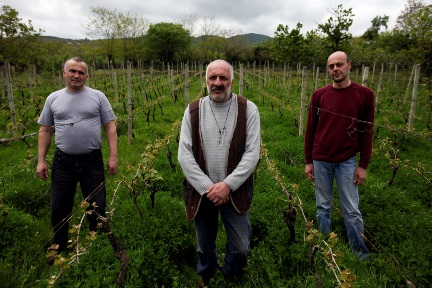
Prince Makashvili Cellar - Soliko Tsaishvili, Irakli Pruidze & David Kapanadze

Date tasted:  July 11th, 2010 13:45

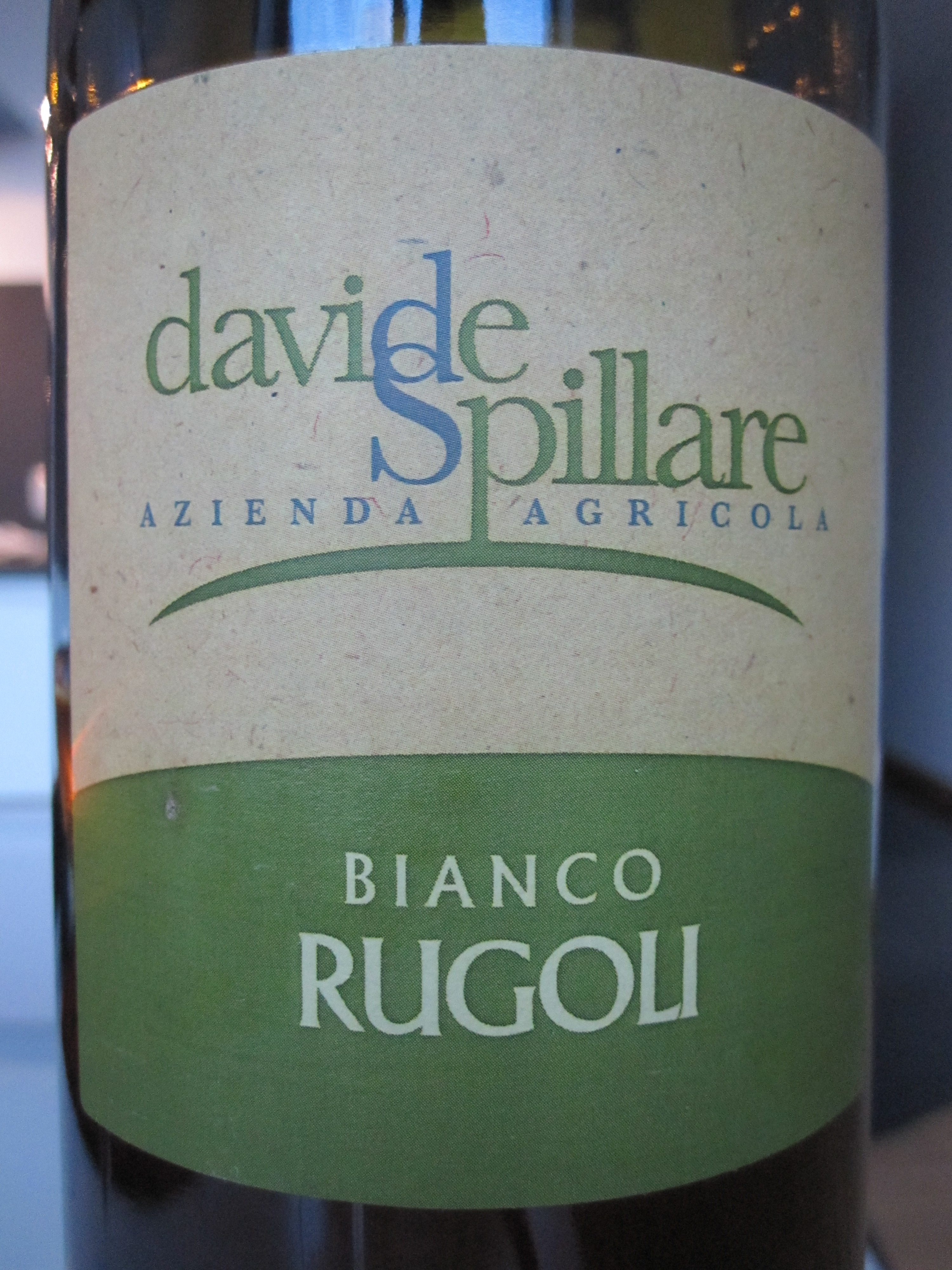
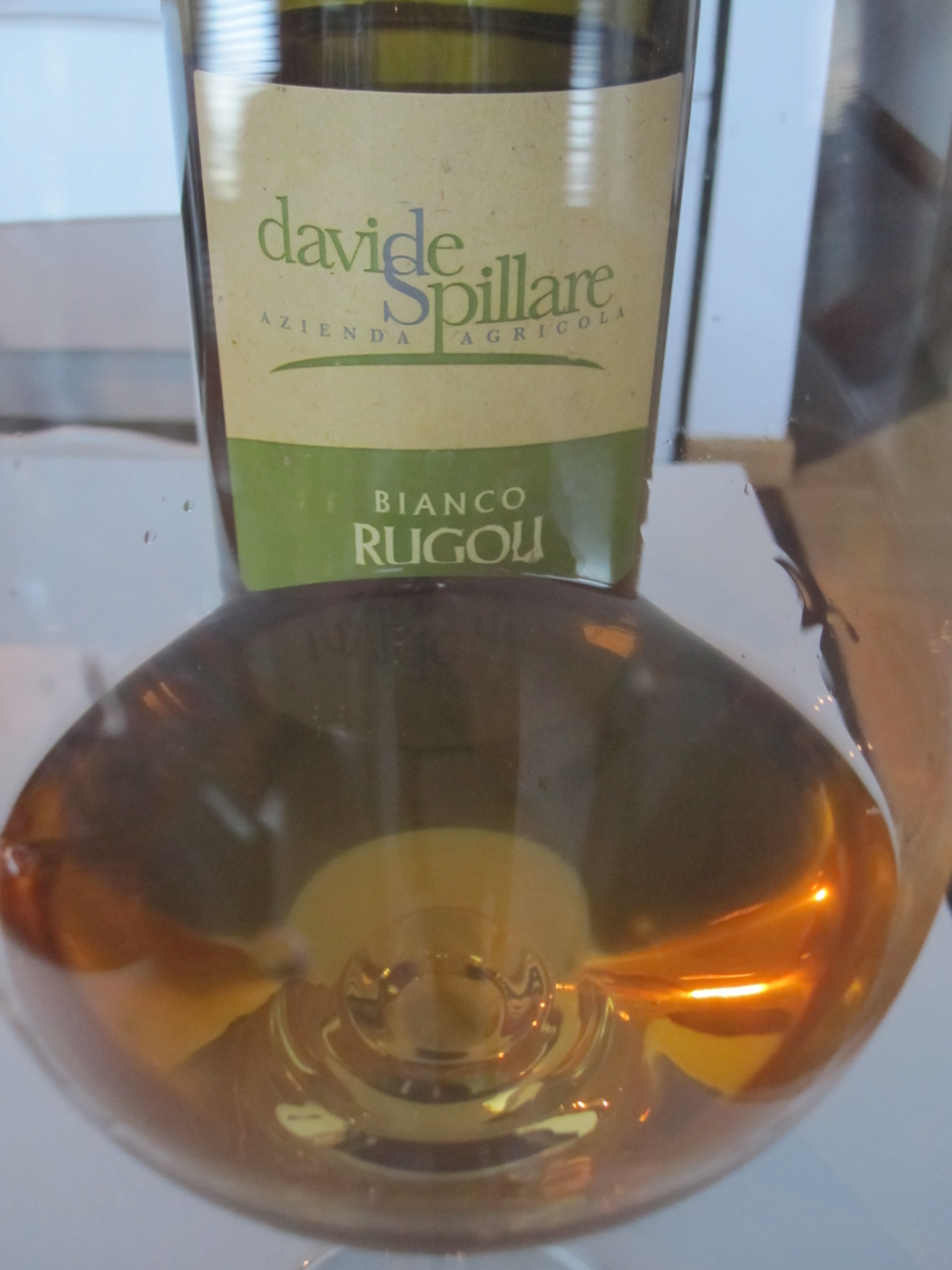
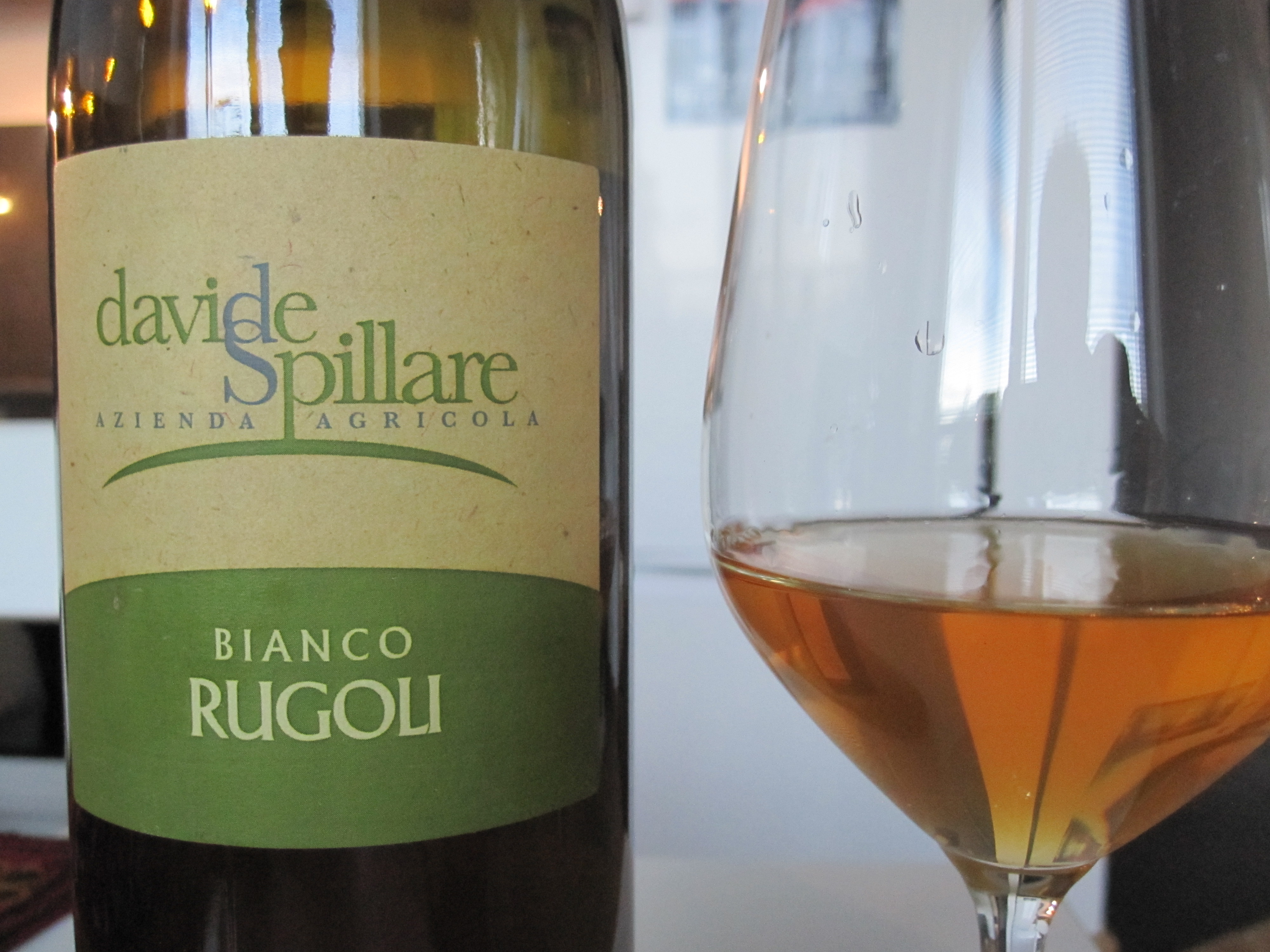
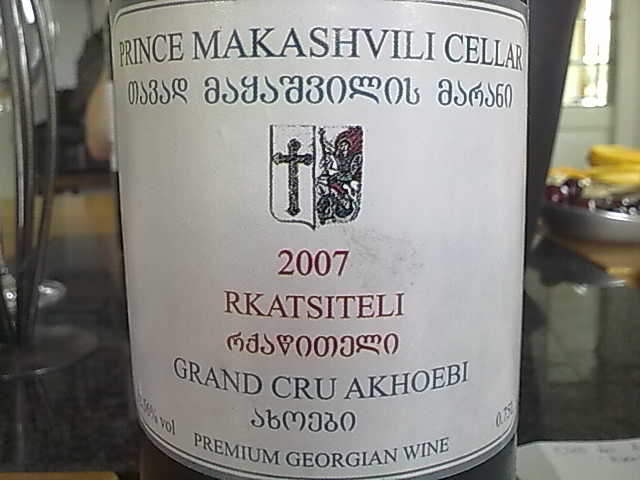
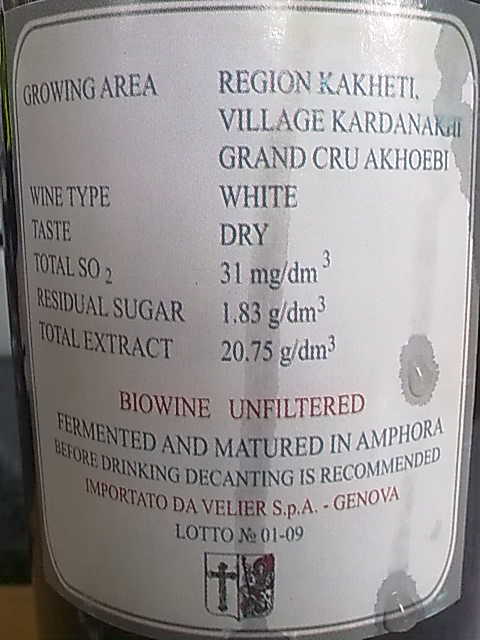
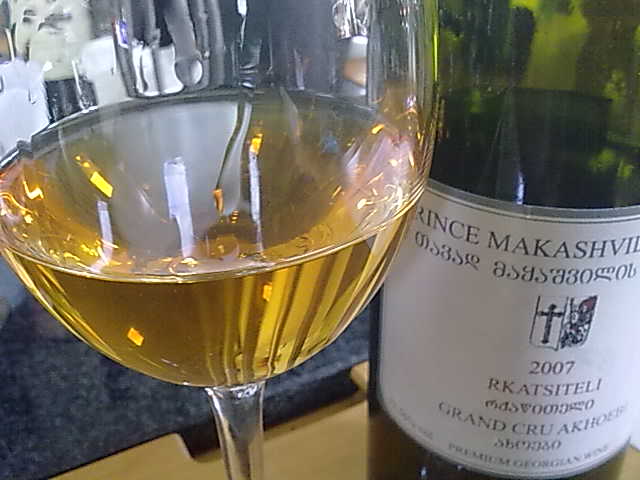
This grapes for this wine come from the Grand Cru vineyards of Akhoebi, in the village of Kardanakhi in the low hills of the Kakheti region.    The vineyard covers 1.9 HA and are farmed biodynamically and harvested by hand.  The soil is  black  and carbonate-rich.  The vines are widely spaced at approximately 2500 plants/HA, trained in a double Guyot pattern.  The vineyard is planted with approximately 90% Rkatsiteli, 4% Mtsvane, 4%Khikhvi and a red varietal called Saperavi, all on original (non-American) root stock. Harvest is done by hand, the grapes pressed softly.  The wine is spontaneously fermented and macerated for 6 months with skins in Qvevri.  After skin and stalk separation, the resulting wine is stored in smaller Qvevri for a further 12 months.   Bottled without filtration.  In 2007 approximately 20hl/ha was produced, or 1200 bottles.

90% Rkatsiteli 6% Mtsvane 4% Khikhvi
Total SO2 is 31 mg/l (31ppm)
Residual Sugar is 1.83 g/l

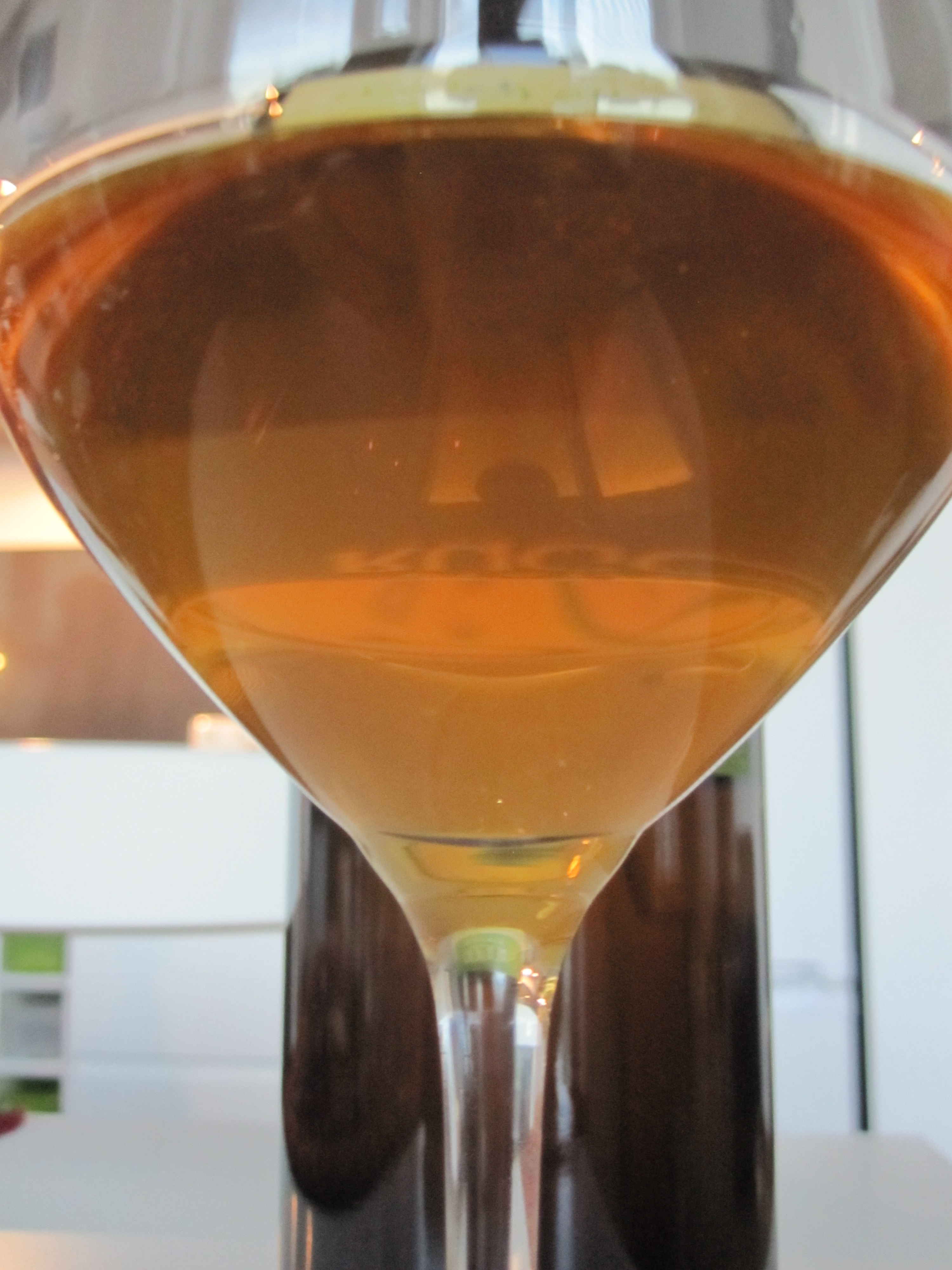
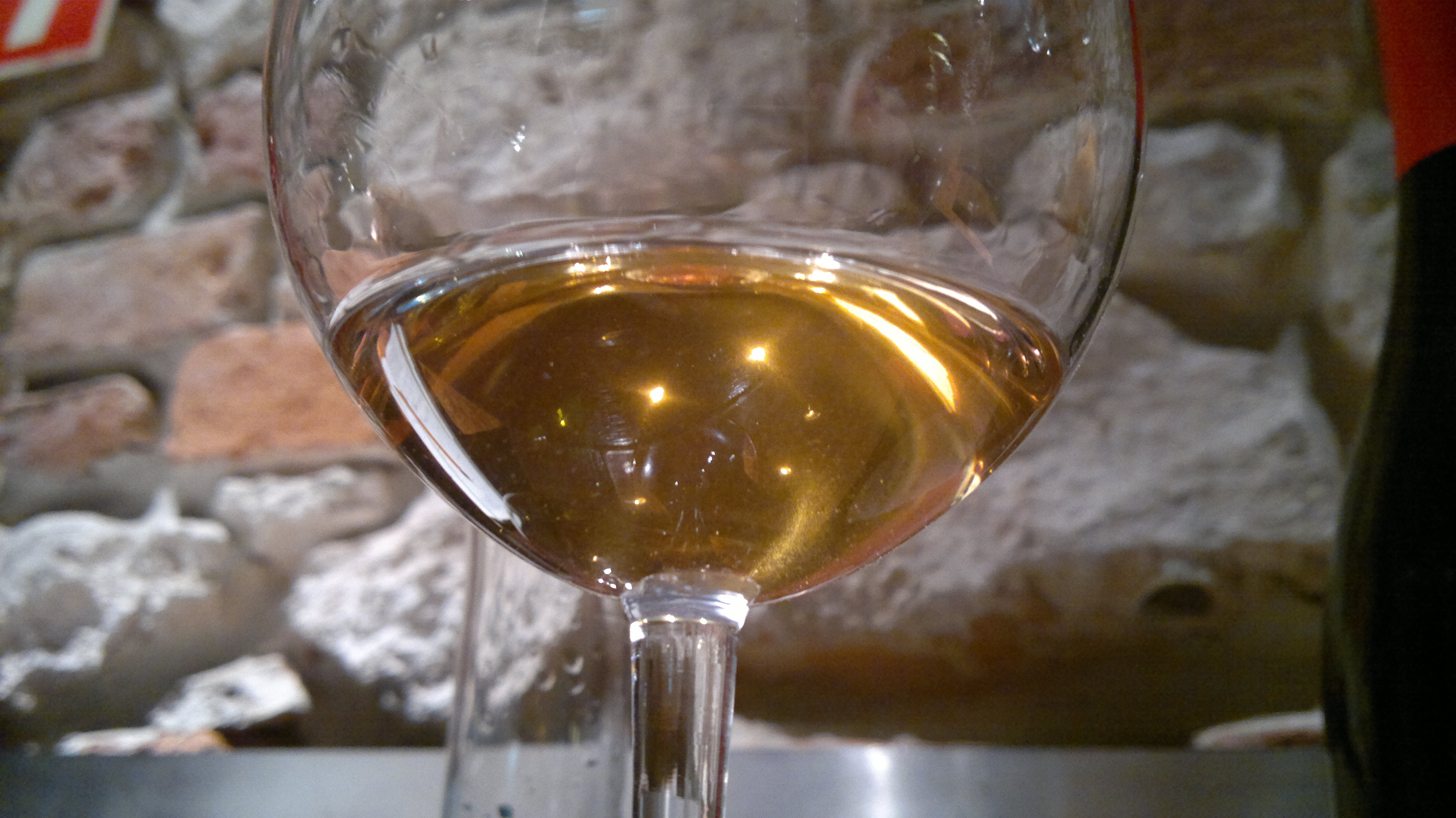
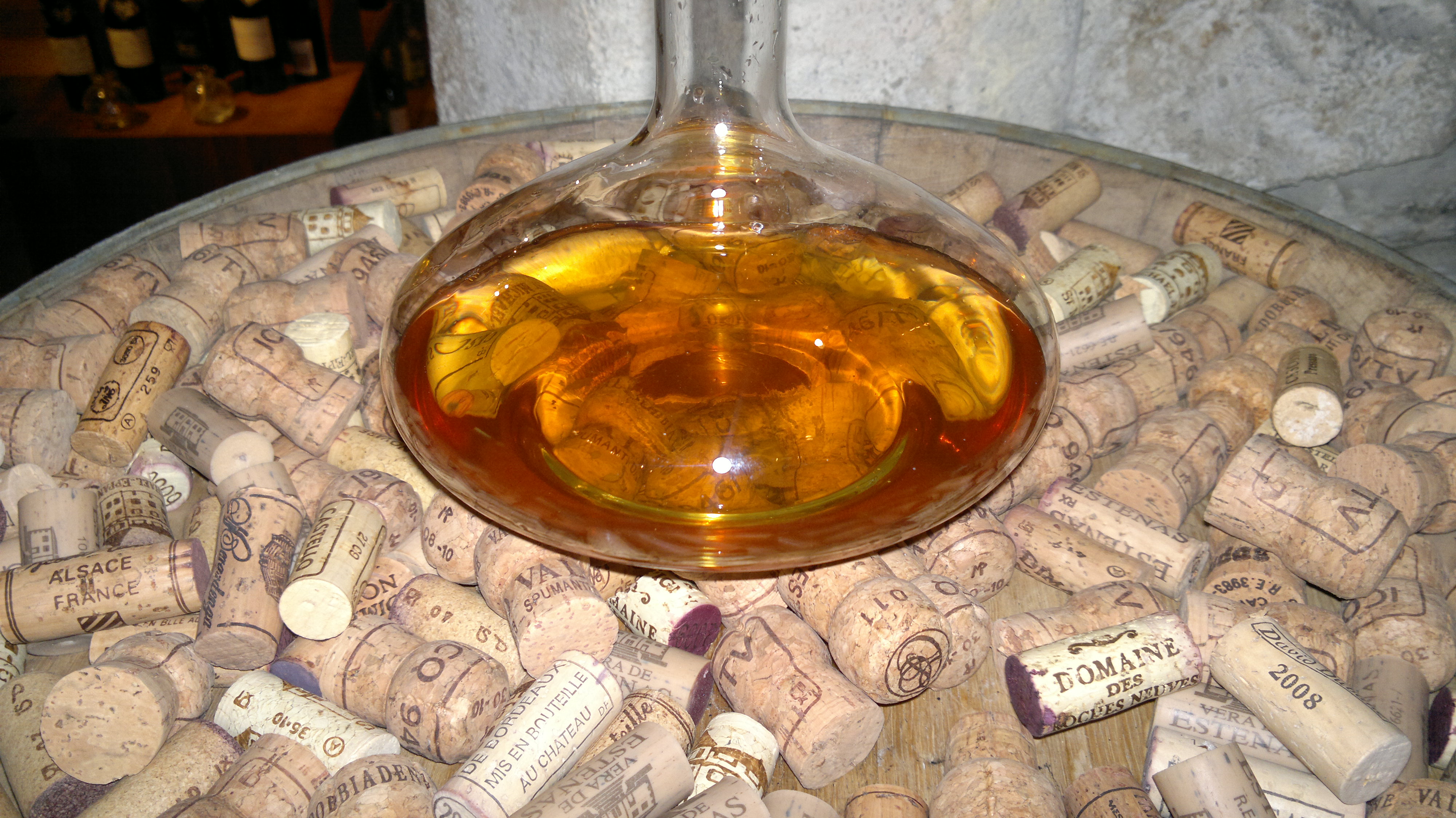
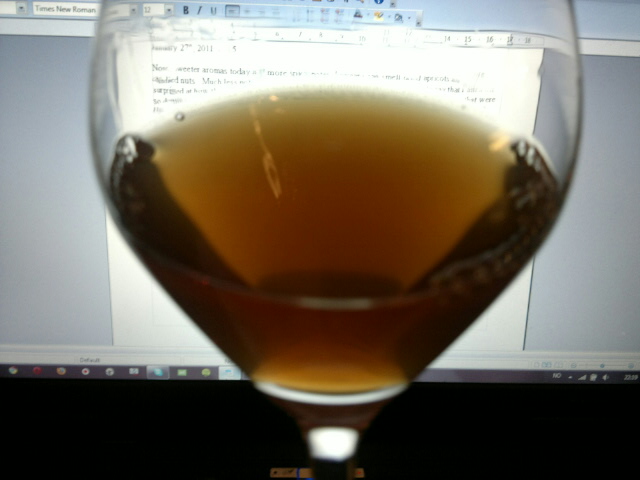
Appearance: Apricot-orange hued with golden edges.

Nose: Herbs and spices (lavender & rosemary)  layered on top of  yellow fruit.  Sweet arctic cloud berries with strawberry (yes, strawberry) notes.

Palate: Great focused fruit. Apricots mostly. Medium tannins with medium level acidity.  30+ second finish. Bone dry.

The Grand Cru Akhoebi was my favorite of the three I wines tasted.

Date tasted:  July 11th, 2010 13:45

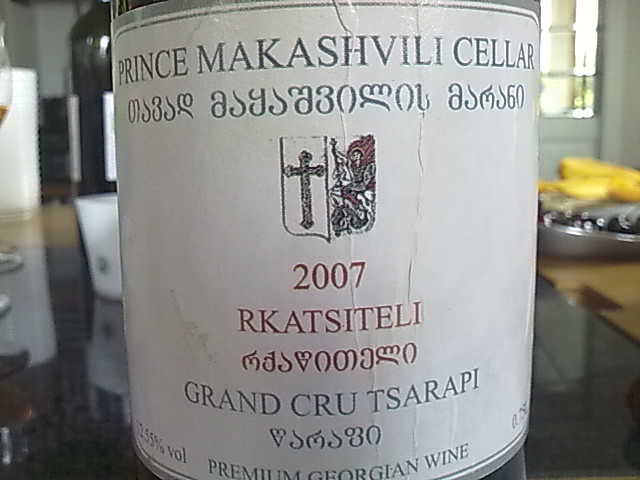
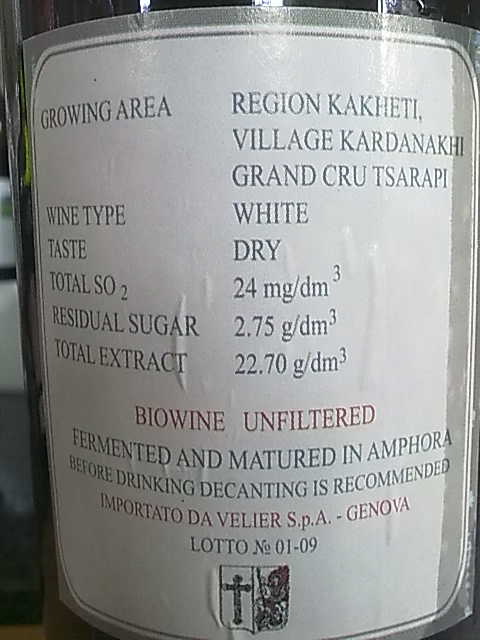
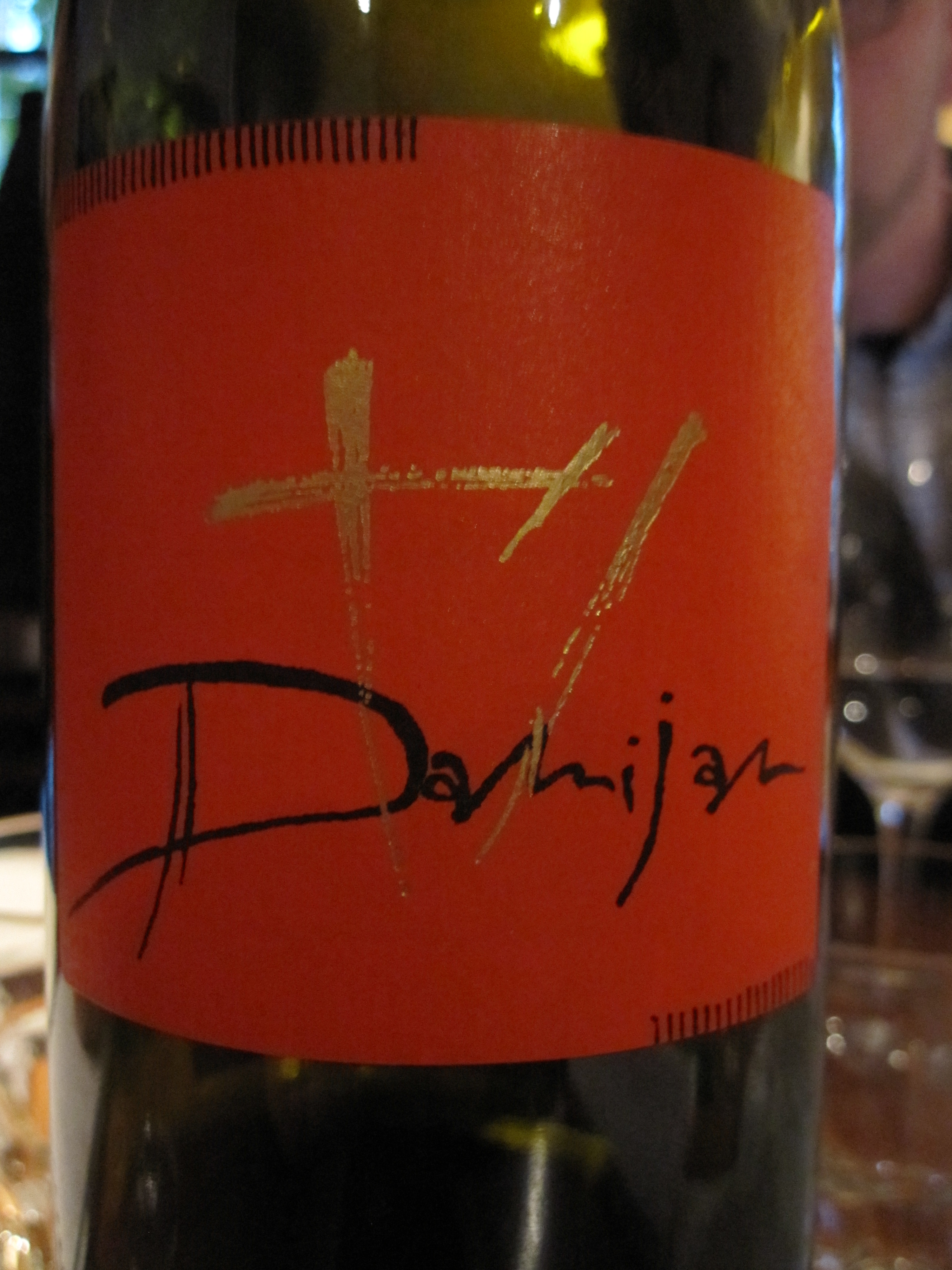
This grapes for this wine come from the Grand Cru vineyards of Tsarapi, in the village of Kardanakhi.  The vineyards cover 1.25 HA and are farmed biodynamically and harvested by hand.  The wine is spontaneously fermented and macerated for 6 months in Qvevri, then stored in the Qvevri for a further 12 months.   Bottled without filtration, and on this particular bottle, this was quite obvious.  Approximately 20hl/ha is produced, or about  1200 bottles.

100% Rkatsiteli
Total SO2 is 24mg (24ppm)
Residual Sugar is 2.75 g

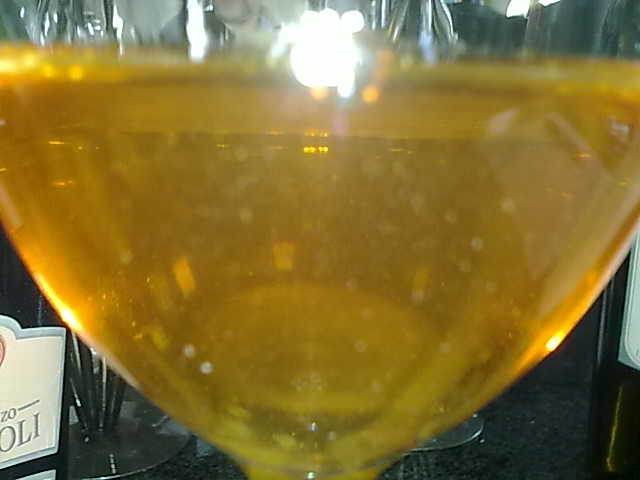
Appearance: Darker and more copper-hued with loads of visible sediment :-)

Nose: Sponty aromas with apricots, with less herbs and spices than the Akhoebi Grand Cru.  My favorite on the nose of the three wines because it had that perfect balance between fruit and wild aromas with just enough minerals to give the wine a serious edge.

Palate: More vinous than the Akhoebi – thick, structured and concentrated.  Quite a serious wine and very mineral.  Medium + tannins and acidity with a long finish.  Bone dry, elegant fruit.

This wine wanted desperately to be my favorite, but it came in second behind the Akhoebi. However, with a few years more of cellaring, this may show even better than the Akhoebi.

My overall impressions were that these three Georgian wines I tasted were of top quality and quite serious food wines.  I would have no problem drinking them alongside my Friulian & Slovenian favorites.

Welcome (Back) to Georgia Part II – Clos des Amandiers

Thursday, August 12th, 2010

Now, back to the future (today) and the wines of Georgia, all hailing from the Kakheti region located in Eastern Georgia, the driest of the 3 regions.  It is the largest wine region in Georgia spanning over  11,000 square kilometers.

All three wines were (mostly) of the same grape variety, Rkatsiteli (or Rkatziteli – pronounced rkah-tsee-tely, and directly translated means “red vine”).  The only Georgian wine experience I have had before today, was  tasting some half-sweet (non-representative) red wine that was poured from a decorated clay bottle, and let’s just say it wasn’t a wine to remember. In fact, I only remember the bottle to this day.   These three wines were not at all what I had anticipated. They were aromatic, complex, fresh and tannic wines that would do well with food.

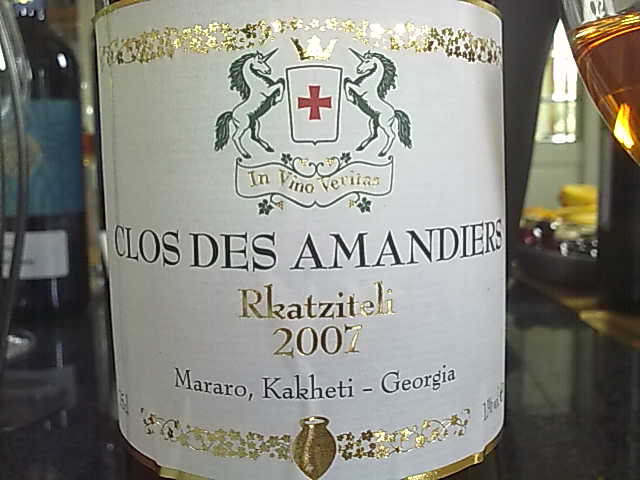
This project started about 4 years ago when a group of Italian wine and spirit merchants (Luca & Paolo Gargano) from Genova purchased a 1.8ha vineyard in the village of Mararo.  With the help of Jean Jacques, a friend of Nicolas Joly, and a local farmer named Nodar Shinjiashvili who was  cultivating old varieties of cereals biodynamically, Clos des Amandiers was born.  In 2007 they released their first vintage, the first wine in my tasting.

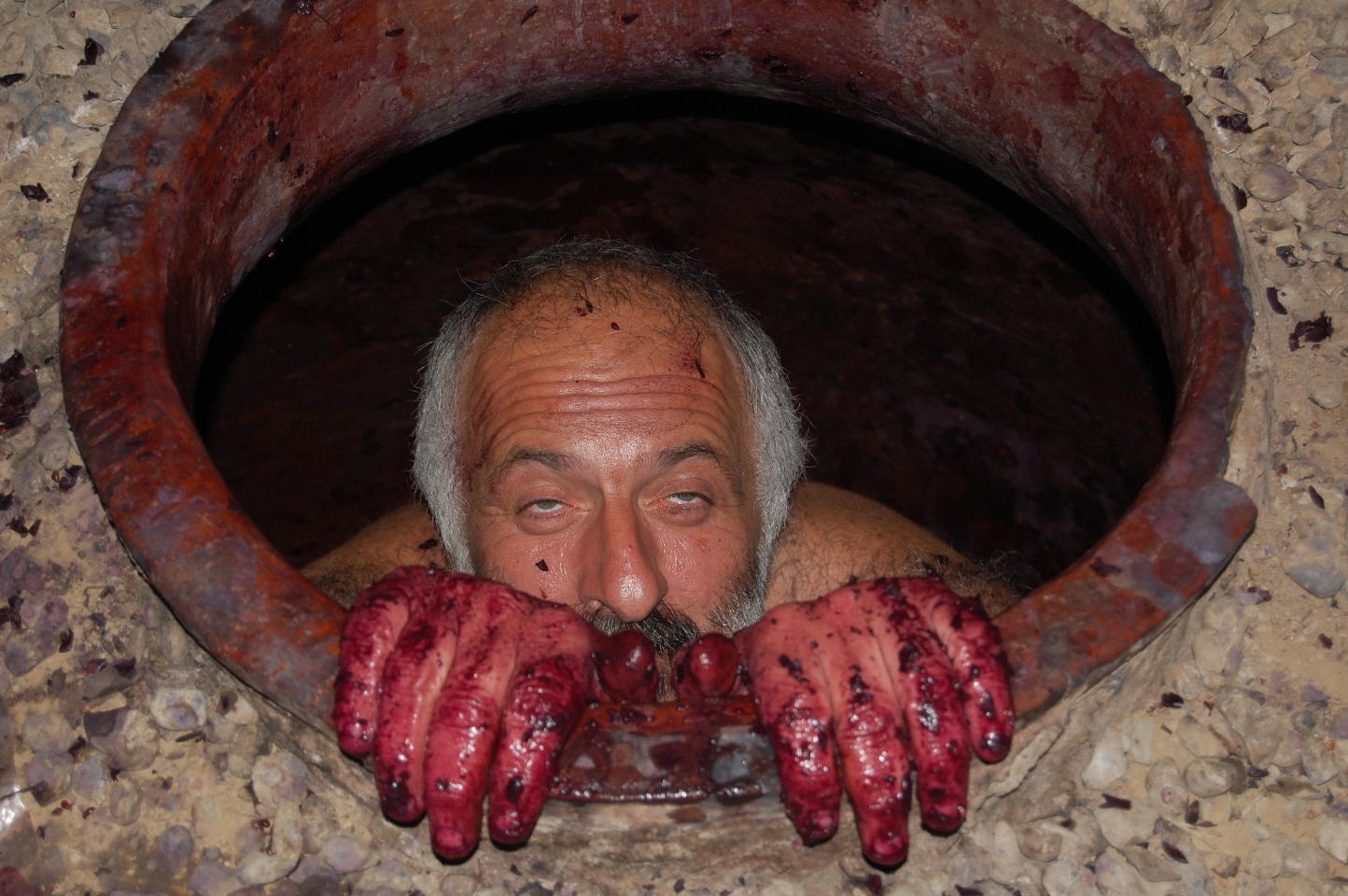
The vines for this wine share the space with almond trees and are cultivated biodynamically.  Harvest occurred in October, the grapes subsequently softly pressed.  Fermentation occurred spontaneously with indigenous yeasts  in old Qvevri without temperature control.  Maceration lasted for six months in these Qvevri then transferred to smaller, non-buried Qvevri for 12 months maturation.  The wine was then bottled without filtration and left to age in the bottle.

Date tasted:  July 11th, 2010 13:45

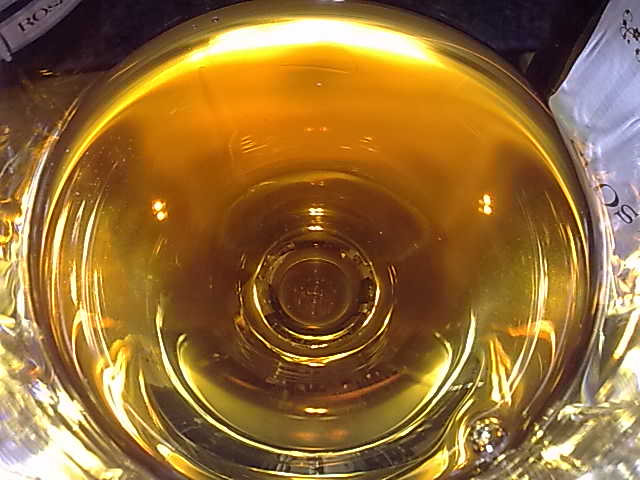
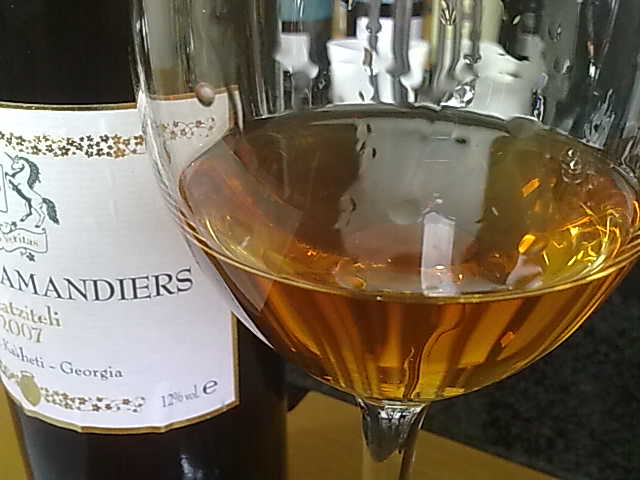
Appearance: Quite a dark orange hued wine with copper and amber tones (think Cat’s Eye gemstones)

Nose: Wow, intense. Quite a sponty and wild nose of dried peaches, raw almonds, marmalade and yellow plums. Hints of jasmine and lavender emerge after about an hour.

Palate: A delicate and elegant entry. Red apples (yes, red) and yellow apples. Medium ++ tannins, medium + acidity (tangy). I found more fruit on the nose then I did on the palate.  The wine had a 30 second+ finish with dominating tannins and toast.

I feel that this wine would be very suitable to food.  Especially dishes with high contrasting flavors and moderately spicy food (because of the fruity aromas in the wine).  A dish specifically recommended to me would be yogurt-marinated baked mutton (meat of mature sheep).  My experience with orange wines is that they merry quite well with food in general, from your sweeter, more aromatic dishes, to meat dishes and finally with cheese.

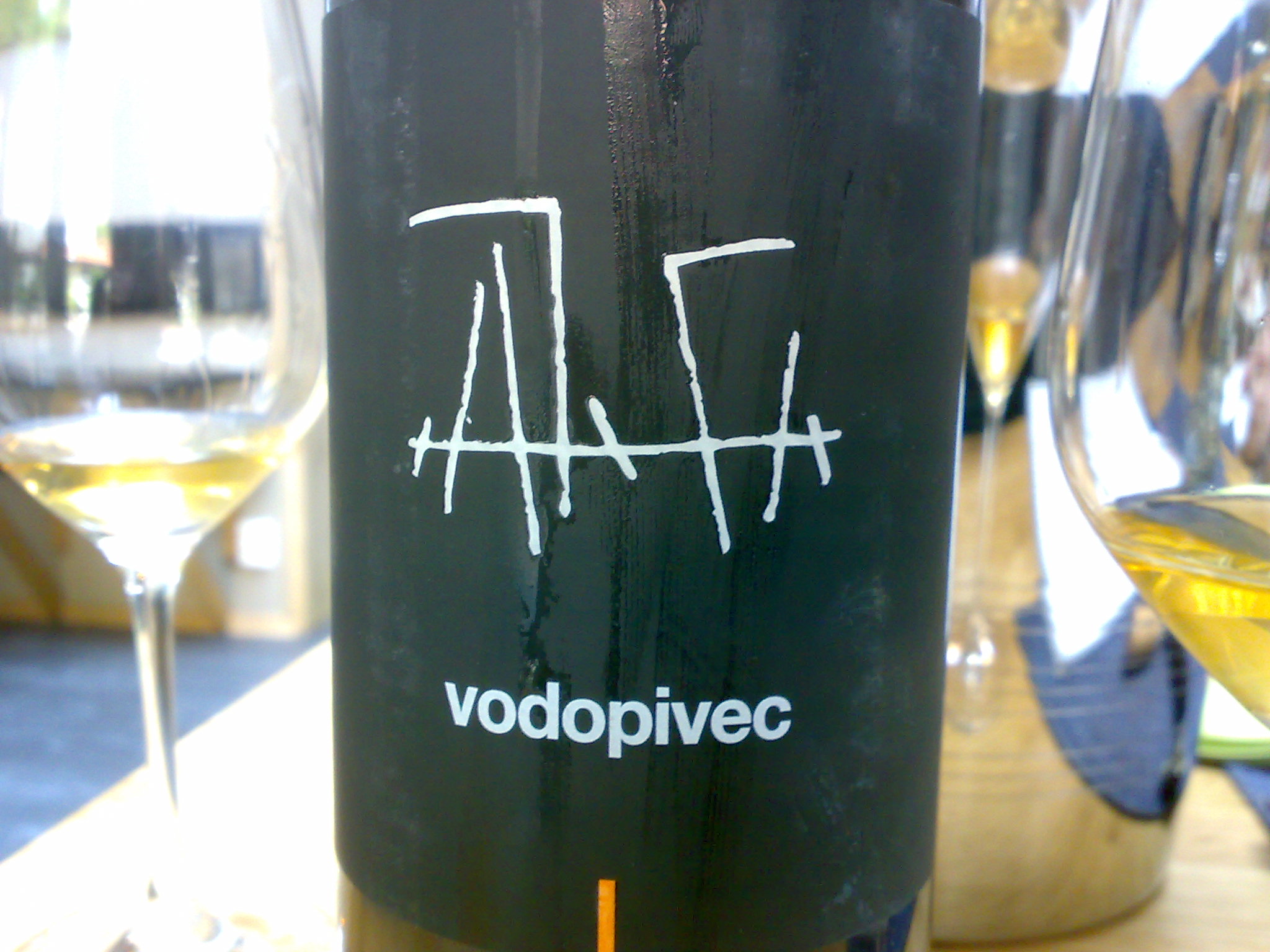
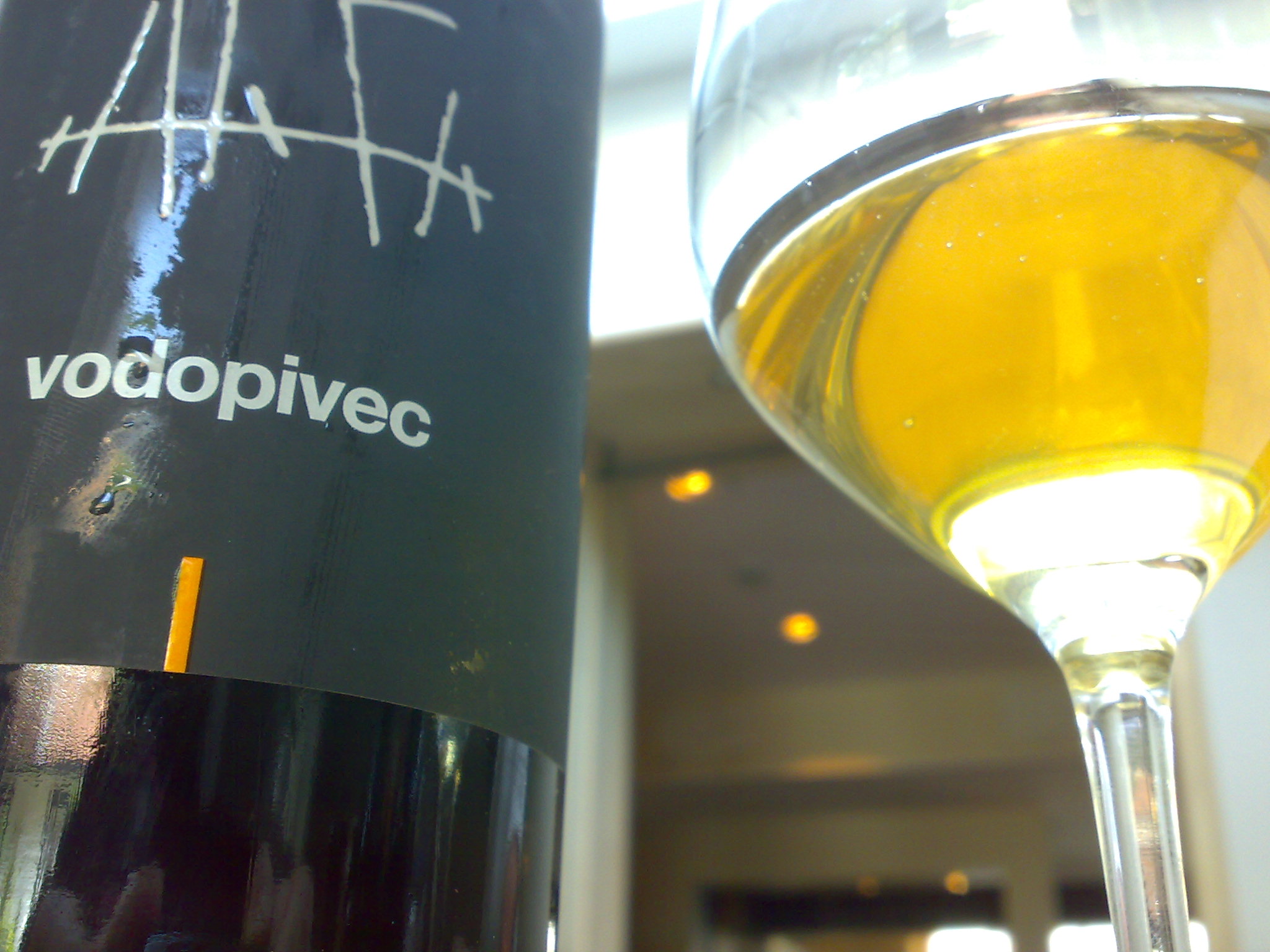
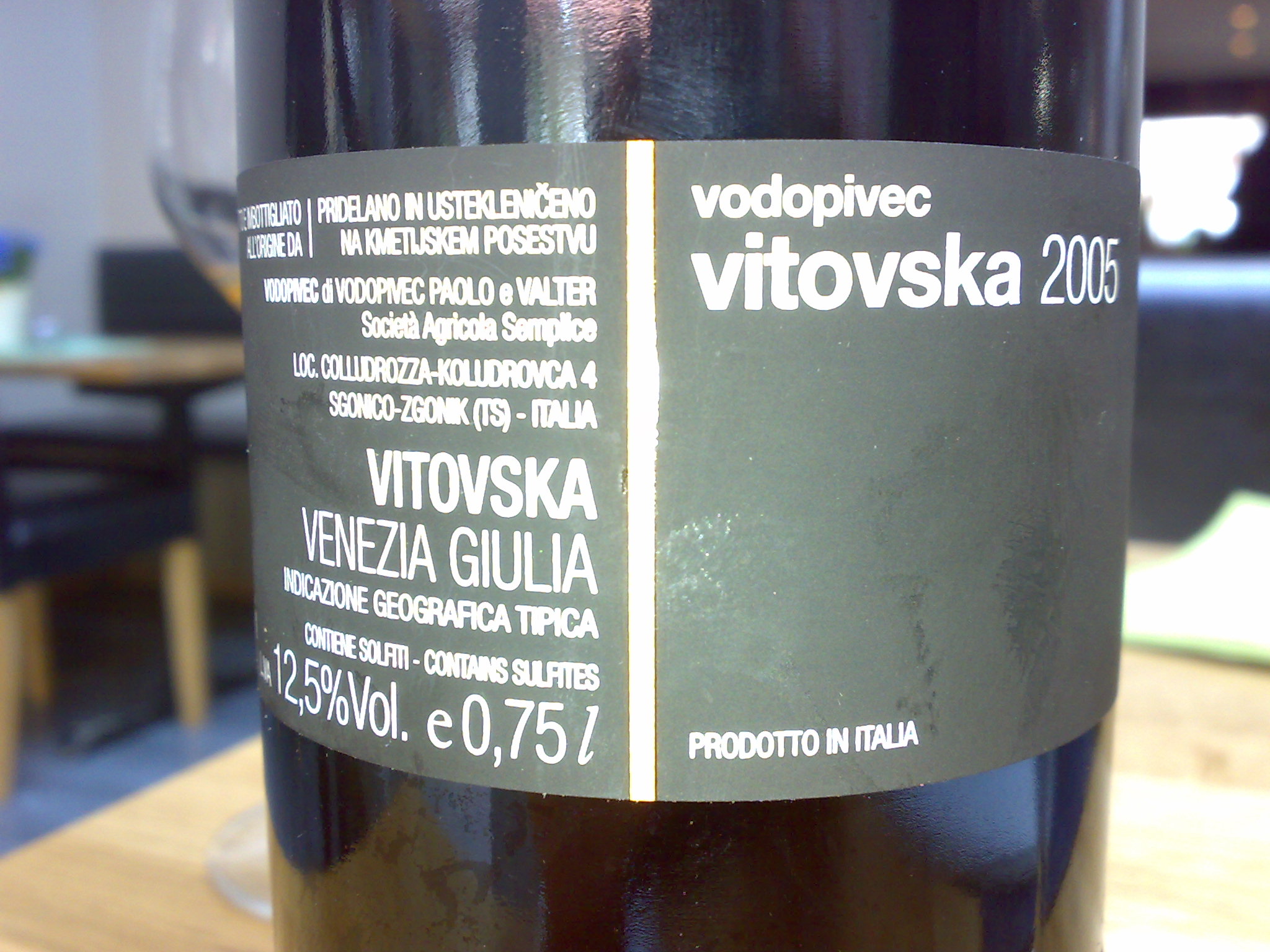
A tasting note: 2005 Vodopivec Vitovska Amphora

Wednesday, June 10th, 2009

2009-06-02_620091680Date tasted:  June 2nd, 2009 15:00 (3pm)

In the hills and mountains of Friuli-Venezia Giulia in North Eastern Italy, there are a group of winemakers that wish to make wine like they did centuries ago.  They farm organically and believe very firmly in the principles of natural wine making.  Ancient methods of cultivation are employed and the white wines are treated to extended maceration periods on the skins, producing “orange” wines.   Indigenous yeasts are used without the use of temperature control.  Fermentation takes place naturally and spontaneously.  In some cases, this takes place outdoors in large terracotta Amphorae.

The Vodopivec brothers’  Valter and Paolo’s winery is about 20 minutes north of Trieste, near the Slovenian border.  The brothers own a nursery and are plant and flower experts.  They have been making wine since 1995.  Up until the 2005 vintage, they have always used big Botti, now they are also using Amphorae.

The Vodopivec brothers usually bottle two different wines from the Vitovska grape.  The Vitovska grape is a vine with a greenish-gold berry that has always been cultivated in area of Trieste.  The name of the vine is undoubtedly of Slovenian origin, and was often called Vitovska Garganija.   The top bottling is the Solo, comprised of the top selection of grapes from older vines.  The second bottling is their second selection.

2005 was a challenging vintage with an overabundance of rain, therefore only one (hand) harvest was made. The Solo cuvée was not produced.  After harvesting, approximately 70% of the grapes were then fermented in Botti, the remaining 30% in Amphorae.  The wine was macerated with the skins for around 70 days.  Only indigenous yeast, no filtration, no treatments.  The botti were sprayed with about 10mg/liter of sulfur about 2 weeks before the harvest to “sterilize”.  The Amphorae were not sprayed.

There were two bottlings for the declassified 2005 vintage.  The wine fermented and aged in Amphorae has an orange stripe on the label.  The wine fermented and aged in Botti has a green stripe on the label.  This bottle was the Amphorae version.  Price in Norwegian Kroner is 320 ($50)

2009-06-02_620091682

Appearance: Apricot, amber color. Clean. Medium plus intensity.

Nose: Spice, Cinnamon. Kumquat, Umami and orange peel.  Very intense and complex nose.  Keeps you going back to the glass to smell and smell again.  Also leaves the impression that this wine could be very fruity or even sweet.

Palate: Medium tannins and extremely focused fruit.  Orange peel and touches of spice.  Medium plus, mature acidity with a smooth, long and elegant finish.  Bone dry.  Really complex with some minerality on the finish.  Best enjoyed at closer to room temperature.  Goes very well with mature goat cheese.  I have also found success pairing this wine with pork belly in an Asian inspired sauce.

Although extremely enjoyable now in it’s youth, the wine’s concentration indicates to me the potential to lay down in the cellar for 5-8 years; perhaps more.

2009-06-02_620091683

A tasting note: 2007 Frank Cornelissen Munjebel Bianco 4

Wednesday, June 3rd, 2009

2009-06-02_17921

Date tasted:  June 2nd, 2009 15:00(3pm)

Frank Cornelissen owns about 12 ha on Mt. Etna in Sicily. He’s a non-interventionist who says “Consequently this has taken us to avoiding all possible interventions on the land we cultivate, including any treatments, whether chemical, organic, or biodynamic, as these are all a mere reflection of the inability of man to accept nature as she is and will be.”

img_0002

Frank & Alberto at the top of 'Rampante', the pre-phylloxera vineyard at 1010m altitude located above Solicchiata on Mt Etna after the devasting forest fire of 3 full days & nights.

On a postcard I recently received, he goes on to say  “To produce a bottle of genuine, natural wine, the recipe is simple:  take large quantities of dedication, determination, intuition and coherence.  To these ingredients throw in a strong dose of masochism in order to physically and emotionally survive the difficulties and downsides of this ‘Art of Wine’.  Finally, enjoy a glass (or more) of this wine, before sending the rest around the world to good homes.”

Of all the “natural” wines I have tasted, Frank’s are always the most interesting.  I am not saying that his wines are the most well-made of the natural wines I have tasted, but his are always the most engergetic.  And, definitely the most natural tasting compared to his counterparts.  From the very rustic labeling, to the almost opaque  wines that are very obviously not filtered nor fined.

This “orange” wine is no exception.  Made from the local (white grapes) Grecanico Dorato, Coda di Volpe, Carricante and Cattaratto grapes, this orange wine is barely see through.  This cloudy wine is so packed full of sediment that I swore I could see chunks of grapes floating towards the bottom of the bottle.  Of course this is a “slight” exaggeration, but it sure made me happy knowing that this wine was made from something (grapes) that was growing wild in the vineyards, and nothing else.   His wines are the most natural of the natural wines I have tasted, and this wine was no exception.  His wines have a certain “energy” about them which is hard to put in words, but they make you feel good.

The grapes for this wine come from various vineyards on Mount Etna owned and cared for by Frank.  Frank harvests the approximate 13ha/hl of grapes totally by hand.  The bunches of grapes are put into a destemmer and crushed, not pressed at this time.  This machine is more of a crusher than a destemmer as it hardly removes any of the stems at all.

The must is then placed into plastic containers in his backyard (no temperature control here) which are then covered with a tent-like plastic material to keep the rain out.  Of course only indigenous yeast here.  The wine is left to spontaneously ferment and macerate with the skins for about 4 months giving the wine it’s apricot-hued glow.  The wine is then pressed into Amphorae with the help of gravity and then bottled.  Absolutely nothing else is added to this wine. Nothing.  Not even SO2 (Sulfur Dioxide).  The wine is not fined nor filtered before being bottled and this is evident.  Since Frank bottle’s his wine without filtration, the last wines bottled have more sediment than the first ones.

2009-06-02_1795

First tasting 1500 (3pm):

Appearance: A very cloudy, unfiltered appearance.  Loads of sediment which are very visible to the naked eye.  In the glass, the wine has an apricot juice hue with a medium intensity.  It is hard to analyze intensity with an unfiltered wine of this type (wine with high intensity glows can indicate a high level of intensity and vice versa).

2009-06-02_18092009-06-02_18112009-06-02_18002009-06-02_1803

Nose: Apricots with hints of minerals and loads of farmyard (those of you familiar with red Burgundy know what I am talking about).  The distinctive (for me) Cornelissen pickle juice.  Dry hay and flowers.

Palate: Wild just like the other Cornelissen wines.  Typical.  A little tingle at the front of the tongue initially from the slight residual CO2, which quickly burns off with a little swirling of the glass.  Medium minus tannins.  High acidity, but not harsh, just mouth watering and mature.  Pickles and smoke.  Kumquats.  Essence of apricots and peaches, but not sweet.    Bone dry with around 2g/liter of residual sugar according to my palate.

Second tasting 1809 (609pm):

Nose: Much more pickles and farmyard.  Less distinct apricots.  The apricot aromas I do get are of unripe apricots.

Palate: Medium minus tannins.  Rosemary, sweet yellow fruit at the back end, apricots.  Finish is long and persistent with mild tannins, great acid and smokey flavors.  The wine sits and sits.

Interesting to note that although the wine was dry, it paired well with sweeter dishes.  It worked well with my honey and lemon marinated chicken.  It was also working surprising well with my Mexican Cactus Fruit.. Strange….
I’m always fascinated with the fact that the few bottles of natural wine that I manage to keep open a few days seem to only improve.

2009-06-02_1796

Please check out my video wine tasting of Frank Cornelissen’s Rosso del Contadino! Click below and forgive the quality:

Wine Tasting with Vinosseur – 2007 Frank Cornelissen Rosso del Contadino 5 from vinosseur on Vimeo.

A tasting note: 2006 Vinarstvo Simčič Rebula Seleklija (Reserva)

Thursday, May 21st, 2009

2009-05-19_16832009-05-19_1687

Date tasted:  May 19th, 2009

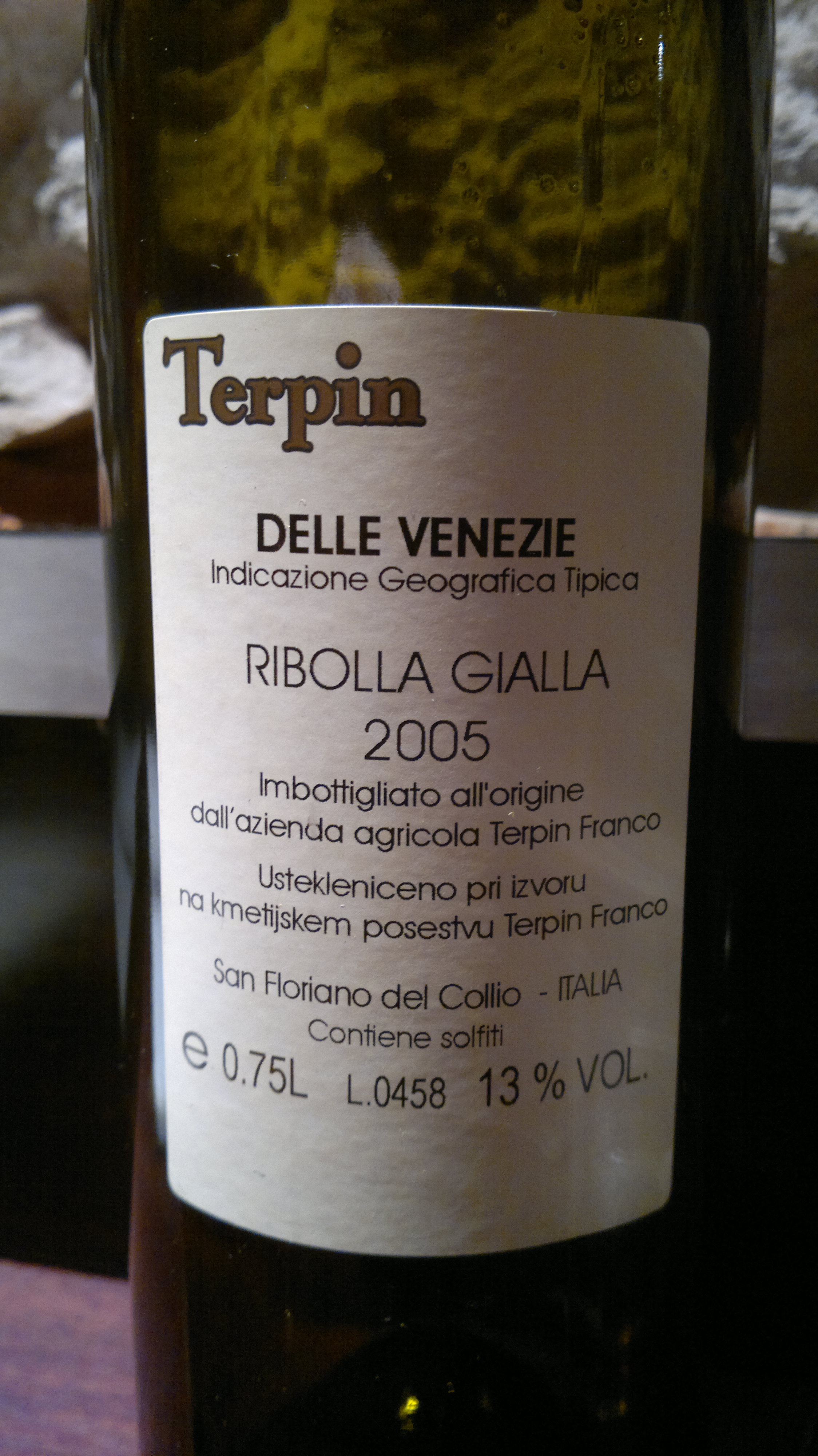
Exciting things are happening in Western Slovenia and North Eastern Italy.  The exciting thing that both countries have in common is the Rebula (Ribolla Gialla) grape which is quickly gaining cult status among us wine nerds.    It produces aromatic wines with high acidity and when a little skin contact is added to the mix, wines of great complexity and length can be produced.  (White) wines with skin contact are gaining popularity in the wine world and being referred to as “orange wines” due the color that extended skin contact gives the wine.

2009-05-19_1693Vinarstvo Simčič is situated in Ceglo (Zegla), a small village in the region of Goriska Brda, by the Slovene-Italian border, by the Italian hills of Collio.  Half of their vineyards lie in Slovenia while the other half lie in Italy.  An hour and half drive will get you both to Venice or the capital of Slovenia, Ljubljana. I have been told that this is one of the top producers in Slovenia, if not the top.  In fact, I was speaking to a respected source who also sampled some of their red wines (blind) and said that they were better than many Bordeaux’s….

They grow 100% of their grapes in their vineyards, which cover 16 ha.   They believe in the most natural methods of viticulture, reducing crop and leaving the grapes on the vine as long as possible.  They also follow ancestral and traditional vinification methods in the cellar, which is located 5 meters underground.

This wine is the Rebula Reserva (Seleklija).  The Rebula vines are 48-51 years old and lie at an altitude of 200-250 meters above sea level.  They have a North-West exposure and the soil is composed of marl, slate and sandstone.  The grapes are hand-harvested (bunches are carefully selected)  at the beginning of October.  The fermentation takes place with the skins in 3000 liter conical oak barrels (tino) using only indigenous yeasts.  The wine is separated from the skins after 6 months of maceration.  The wine is then matured in big oak barrels for 2 years.  The wine was bottled in September of 2008 without fining or filtration.  No added sulfur.  Only 2000 bottles produced.  13.5% Alcohol (14% according to the label).  Total acidity is 4.56 grams per liter.  Price in Norway is 250 Norwegian Kroner ($39)

2009-05-19_1688First tasting:  15:51 (3:51pm):  (from the refrigerator)

Appearance: Apricot orange.  Very clean looking with medium intensity.

Nose: Yellow fruit especially yellow plums.  Fresh apricots.  Hints of acacia honey.  Hints of herbs with underlying minerals

Palate: Ripe fruit, apricots, sultana raisins (semi-dry).  Medium to medium plus acidity.  Medium to medium plus alcohol.  Long finish, light minerality.

Second tasting:  16:31 (4:31pm):  (cellar temperature)

Nose: Tighter, more complex yet more focused.

Palate: Focus on the palate also sharper, alcohol a lot more integrated (interesting since this was now a few degrees warmer).  The wine has become very elegant with very mild tannins starting to emerge.

Third tasting:  21:00 (9:00pm):  (cellar temperature)

Nose & Palate: Amazing focus and elegance with “sweet” fruit emerging.  Lots of apricots.  Mild tannins, ripe acidity and great length.

This wine improved after being open half a day.  I often find that wines that are more natural tend to improve over the course of several hours and even days.  Unfortunately, this wine was so good that it never had a chance to make it to day two or three.  In my opinion this is a serious wine well worth the price tag.

2009-05-19_1681

Vino Vino Vino 2009

Friday, April 10th, 2009

logo

I had the opportunity to check out the Gruppo Vini Veri, Vino Vino Vino 2009 gathering at Villa Boschi in Isola della Scala, Verona Italy last week.  I had never been to this gathering before, so I really didn’t know what to expect. Although some things impressed me, I was also disappointed by others. Of course I didn’t get to taste everything, but from my sampling, here’s my personal feedback.

manifesto.inddFirst, the positive. Many exciting wines coming out of Sicily. These Sicilians, especially around Mount Etna, are delivering fresh and interesting wines from  indigenous grapes. White wine grapes like the Carricante and red wine grapes from the Nerello family. What really impressed me the most about these wines was the freshness, something you are seeing more of in well-made Sicilian Wines. Many of these wines were natural, without the addition of Sulphur Dioxide, no filtering and thankfully, no oak. Many of the wines were fermented/stored in cement, steel or amphora’s.

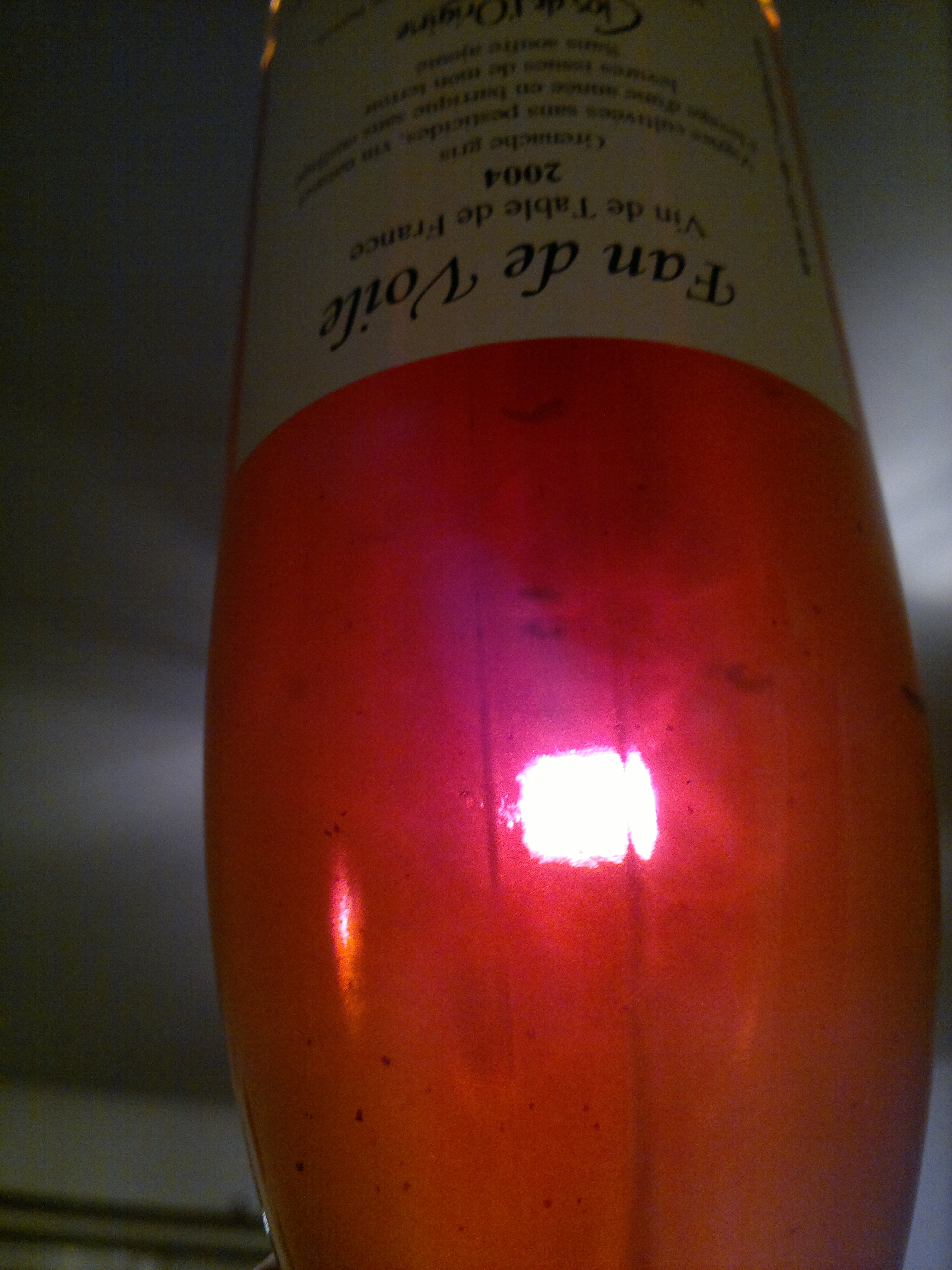
It was also nice to see many “orange wines”, white wines made using maceration techniques (letting the grape must sit with the grape skins for some days) rendering some white wines with a more orange-like hue. Although some of these were exciting, fresh and well-made, many were over-macerated, overly tannic and bitter. Just because this old wine making technique is coming back into fashion, doesn’t mean you should be (over) doing it! Listen up!

Then, there were too many wines from the region of Tuscany. It seemed that upwards of 25% percent of the producers at this gathering were from Tuscany. Although there were some interesting (and excellent) wines from Tuscany,  I found most to be too similar and un-interesting.

The most disappointing thing for me, however, was the shortage of non-Italian wine makers. I understand that Italy has more vineyards being farmed organically (up to 5 times) than other European wine-making countries and that we were in Verona, Italy, but I would have liked to have seen more French, Spanish, Portuguese and German (etc.) wine makers at this gathering.

Overall, I can see that producing natural wine is becoming fashionable and trendy. I am glad that at least natural products are becoming trendy and fashionable, but I felt that there were too many wine makers making natural wine because it was the fashionable thing to do. Thankfully, you can taste who these copycat producers were, and they were not good.

I would like to end this entry on a positive note by saying that I was happy to meet some wine-makers whom I have had some contact with both personally and of course through their wines:

Drink more naturally made wines and wake up the next day feeling fresh!