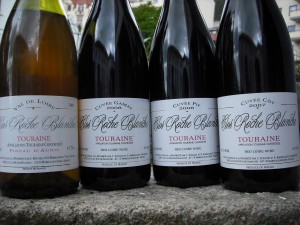
vinosseur

…spontaneously fermenting

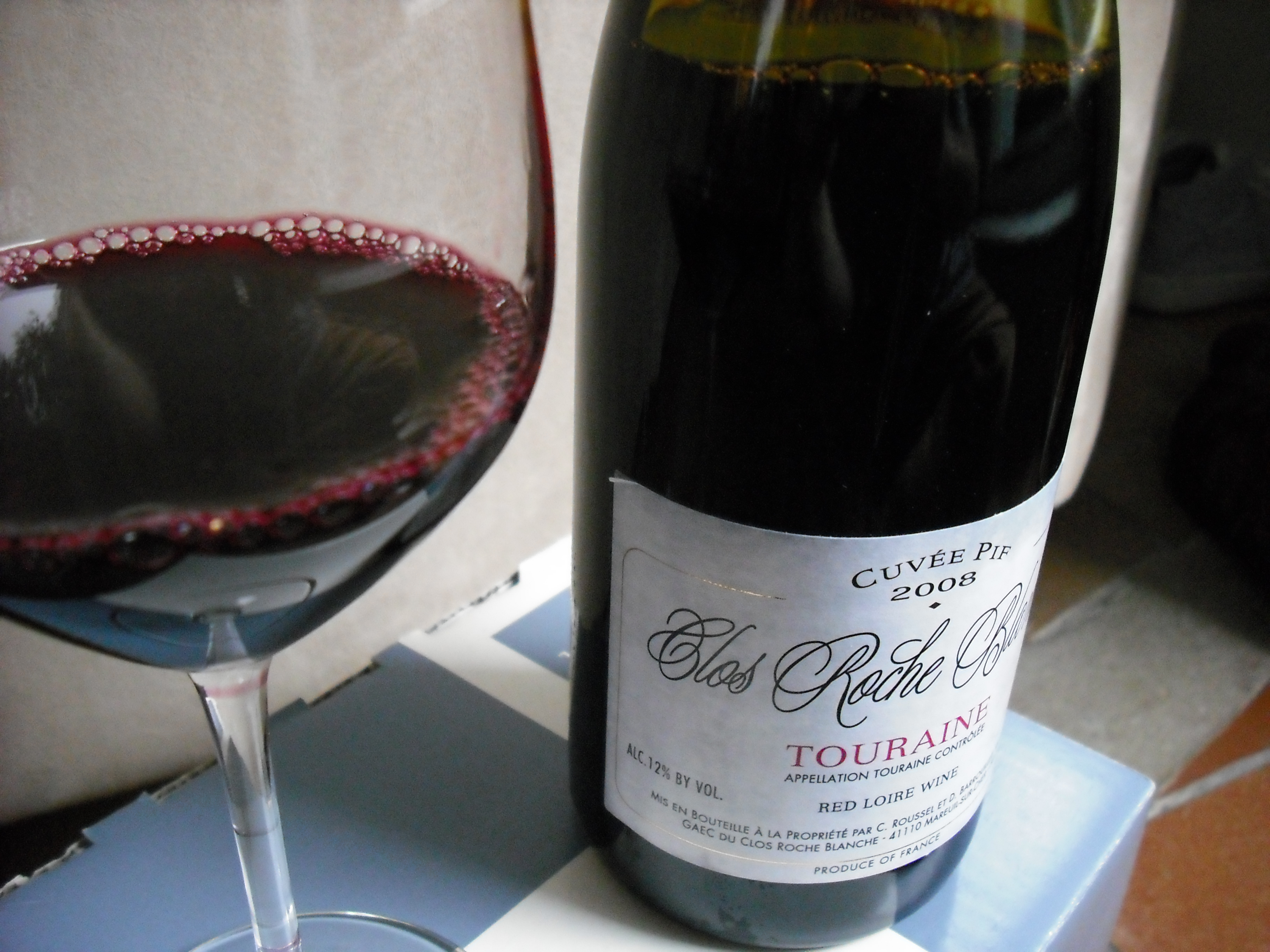
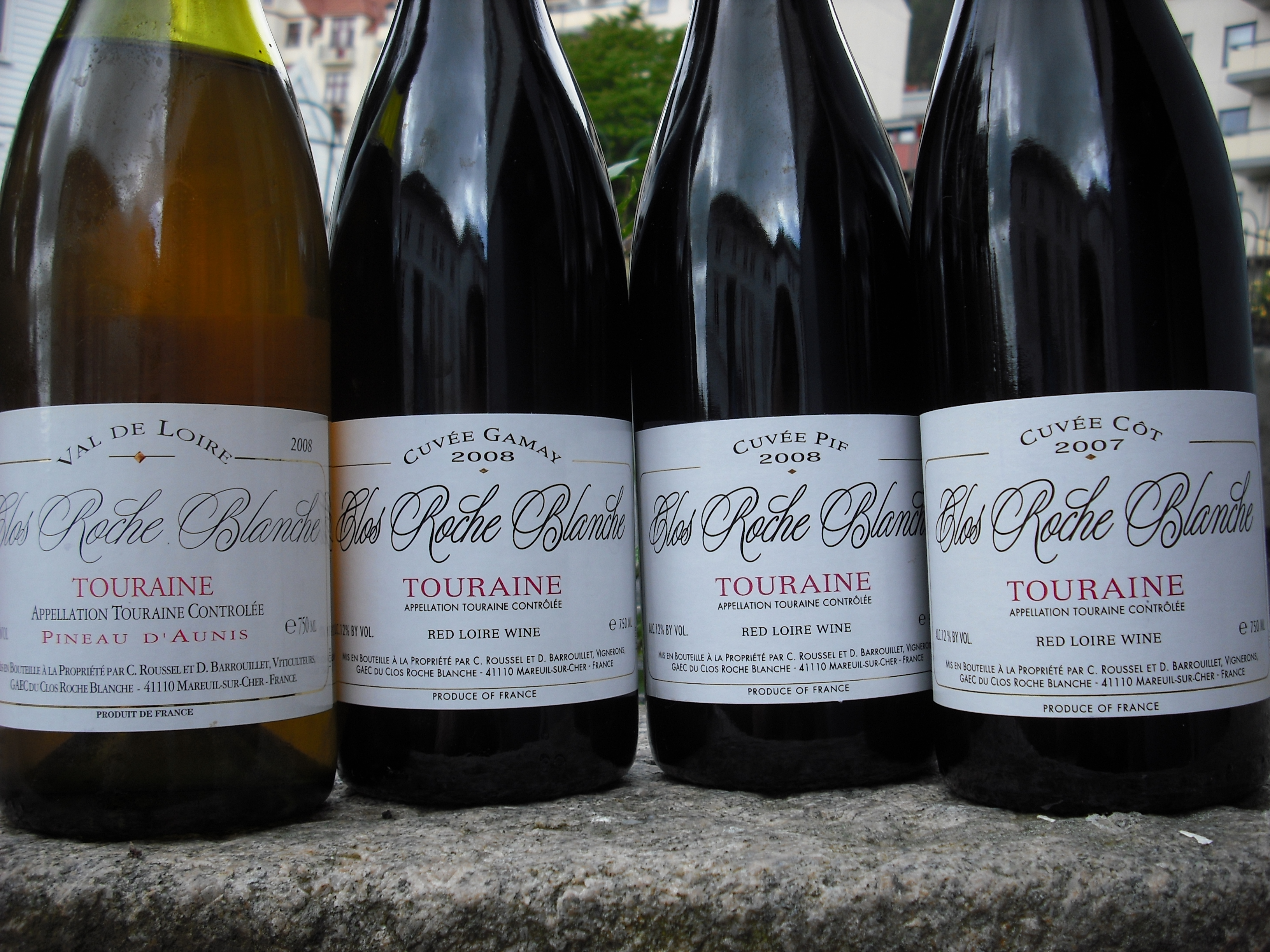
Clos Roche Blanche Part IV – Cuvée Pif 2008

2009-08-01_1867Cuvée Pif 2008 12% Alcohol – synthetic cork
Wine information:
50% Côt (Malbec) 50% Cabernet Franc
Average yield:  10hl/ha
Terroir: Clay, mixed with flint and hard sandstone, calcareous
sub-soil, located at 1ères Côtes du Cher
Manual harvest (100% destalking)
Indigenous yeast, no chaptalisation
Vinification:  Traditional, 8-10 days maceration
with daily pigeage. Assemblage before the malolactic fermentation
Aging in Stainless steel
6,500 bottles produced
Price in Norway is 130 NOK ($21)

Friday July 31st, 2009 16:45 (4:45pm)

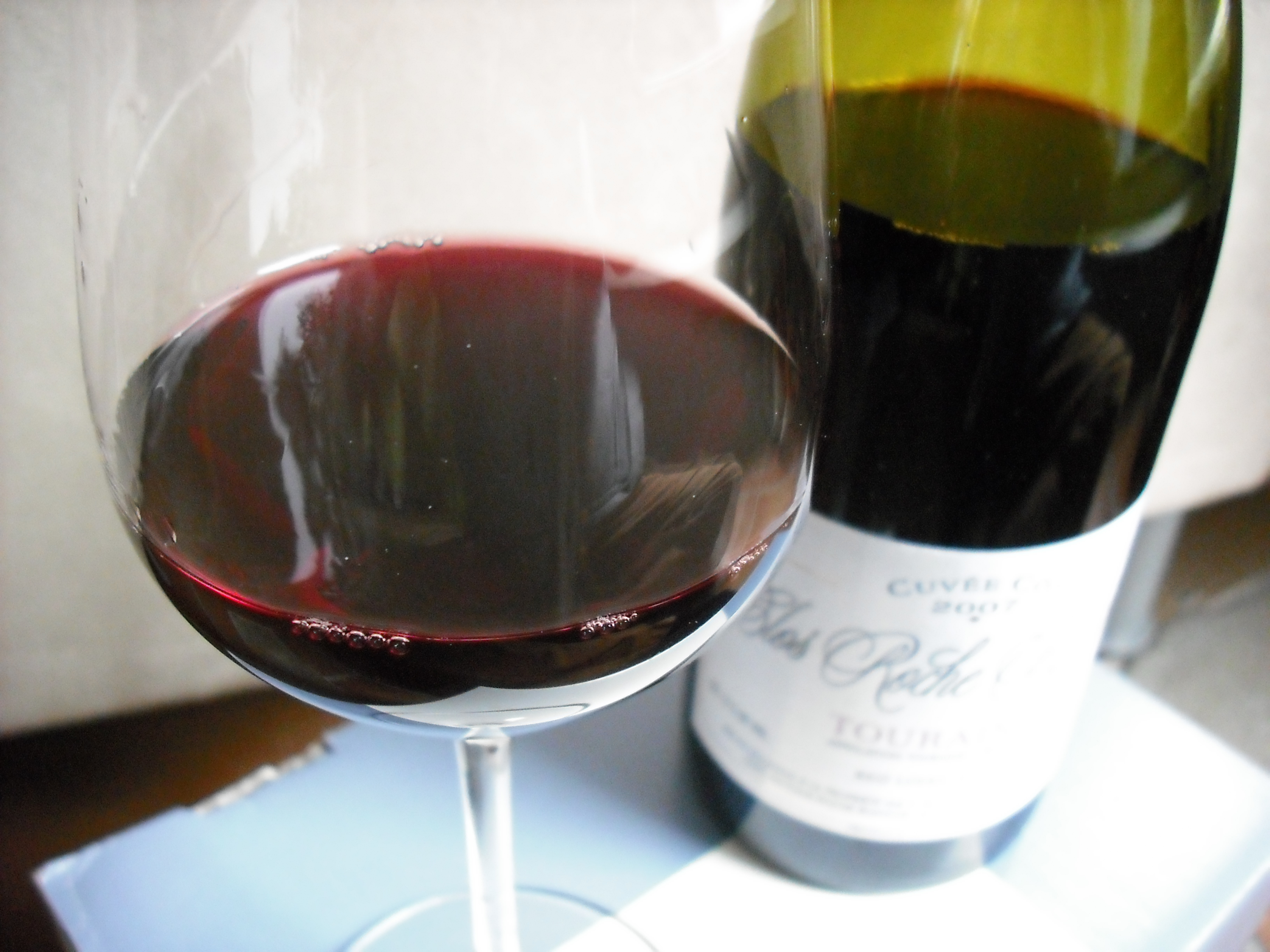
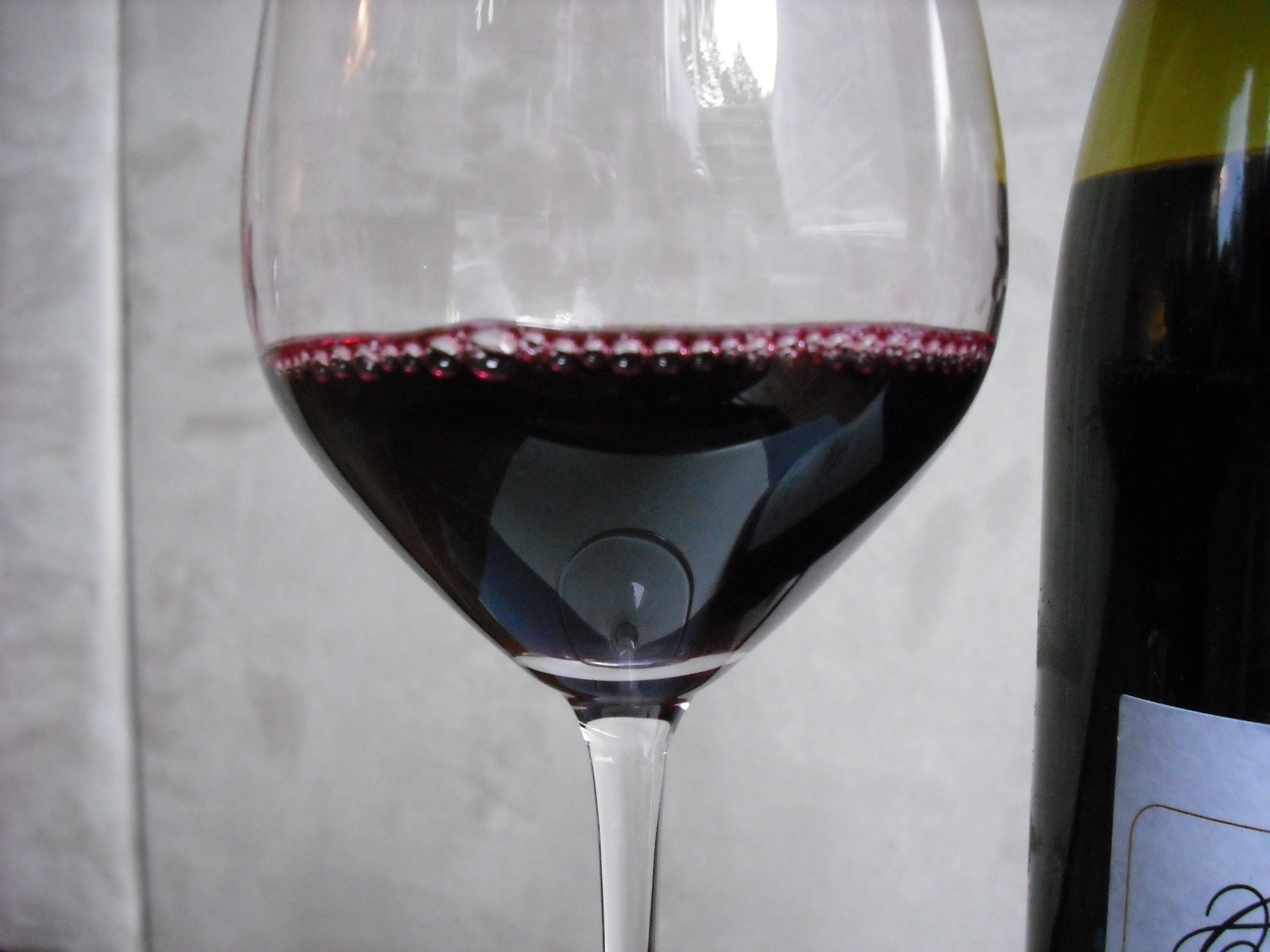
Appearance: Deeper color than the Gamay.  Leaning towards the color you might find in the S. Rhône. Darkish red purple.  Clean with a  medium intense glow

Nose: Ripe & juicy green bell pepper, blackberries with floral hints.  More complex than the Cuvée Gamay but not as intense dark plums and cherries at the back end.  The most interesting nose of the bunch so far. I am spending more time nosing this one than the previous wines.  Juicy

Palate: Again the juicy ripe green bell peppers and blackberries on the palate. Medium acid. Medium to medium plus tannins. Good concentration and depth. Of the three I have tasted to this point, this is the one that I feel has the greatest aging potential. The tannins, although only medium plus, are the dominant feature here with slight bitter hints on the finish. Quite young. Really getting the Cab Franc here…need something to eat. Medium to medium full

Saturday August 1st, 14:21

Appearance: None

Nose: Medium intense and still quite complex. Seems a bit tighter and more put together then yesterday. Still has hints of juicy green bell pepper, some blackberries with hints of black currants. Today reminds me a bit of a nice Bordeaux.  Hints of  worn leather and minerals.

Palate: Blackberries and green bell peppers immediately with black currants on the back end. Medium to medium plus tannins. Some cigar box and none of the bitter notes (only slight) I got yesterday.  Serious wine and for those who love  Bordeaux, you’ll love this. Long fresh finish. Real aging capability here in my opinion. A food wine. Fresh. Wow.

Today the main difference is that the wines have tightened up a bit and seem to be a tad more elegant. I suppose its still to soon to tell!

2009-08-01_1869

Sunday August 2nd, 20:48  this wine is at it’s peak today

Appearance: Still dark and serious

Nose: Still mostly dominated by black fruit and green bell peppers but today the fruit stands out more than the peppers. Quite elegant today..

Palate: Lots of black fruit and green peppers. Still quite tannic, but not overpowering. I have to say that  although the fruit is mostly black in character, the wine has a certain freshness you don’t often find in lets say, a Bordeaux.. a very clean wine. Long finish with solid tannins. Again, really focused and elegant today. The best day so far for this wine as well. If I had to complain about  anything, perhaps its the acidity.. could it be a tad higher`?? nah.

Monday August 3rd, 23:28

Appearance: No change

Nose: More floral than the previous days. The green peppers have mellowed to the background. Blackberries and black currants with an underlying lift of cool fresh fruit.

Palate: Green peppers still on the palate with really solid, lovely tannins carrying the wine to a really long, fresh, slightly bitter finish.. Still quite impressive. Really starting to love this wine’s complexity. It’s not common to  find a wine with this firm of a tannin structure, yet remain this fresh, light and low in alcohol..

Tuesday August 4th, 00:31

Appearance: No change

Nose: The green bell peppers have resurfaced. Blackberries and currants with floral undertones. Some red fruit lifting the wine

Palate: Tannins quite heavy today which coat the whole mouth. Green peppers and black fruit with a slightly bitter finish. Very Bordeaux like today, but the freshness slightly lacking today

Wednesday August 5th, 17:35

Appearance: No change

Nose: Still has the sweet green bell peppers and blackberries and black currants. Hints of red fruit, especially plums to help lift the wine.  No signs of oxidation.

Palate: Still quite Bordeaux like. Still has the green bell peppers dominating with blackberries. Tannins a bit more settled today.  Still drinking quite well.  Slightly bitter on the finish.

Thursday August 6th, 23:54

Appearance: No change

Nose: Slightly oxidized sweet green peppers. This is the most oxidized wine so far. Some black currants.  Not very expressive tonight.

Palate: A little volatile tonight. Still has the Bordeaux thing going on. Blackberries and green peppers with medium plus tannins. Slightly oxidized. Not very exciting tonight. Done.

2009-08-01_1871

Even though this wine didn’t hold up as well as the Pineau d’Aunis or Gamay, it was a great wine and a great substitute for those of you who are craving a Bordeaux-like wine.

I realize that I mentioned Bordeaux over and over again in my tasting notes. The reason I did this is perhaps because I have been in discussions lately with some close friends and fellow wine enthusiasts about why I don’t have a single Bordeaux title on my restaurant wine list.  Although I won’t go into all the reasons why I don’t, I will just say that I feel the “average” Bordeaux drinker will enjoy this wine.  :-)

Category: 1 WINE, 2 PRODUCER PROFILE, 3 TASTING NOTES, Clos Roche Blanche - Loire Valley, France, France, Loire, natural wine (just about), Touraine

2 comments


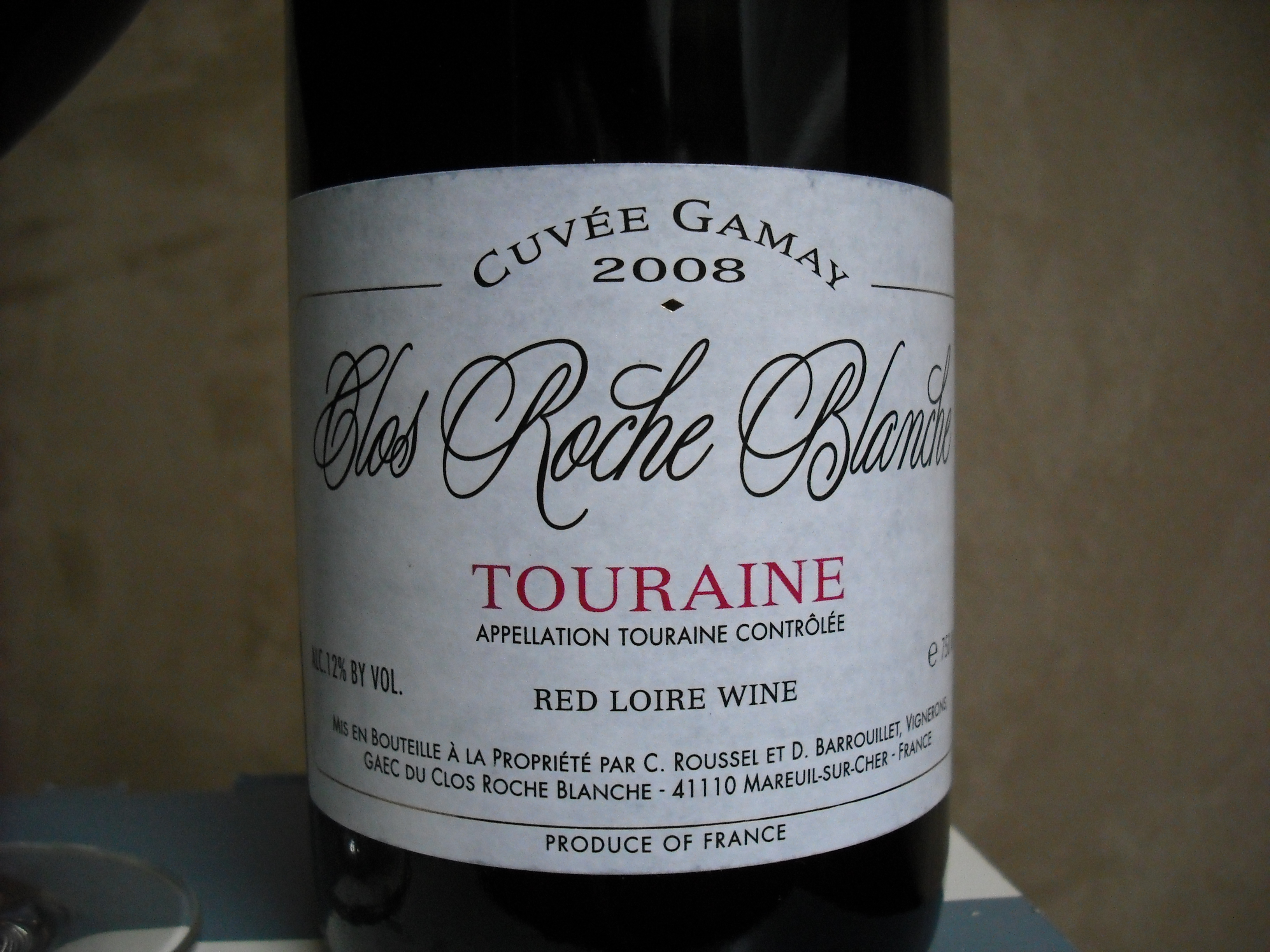
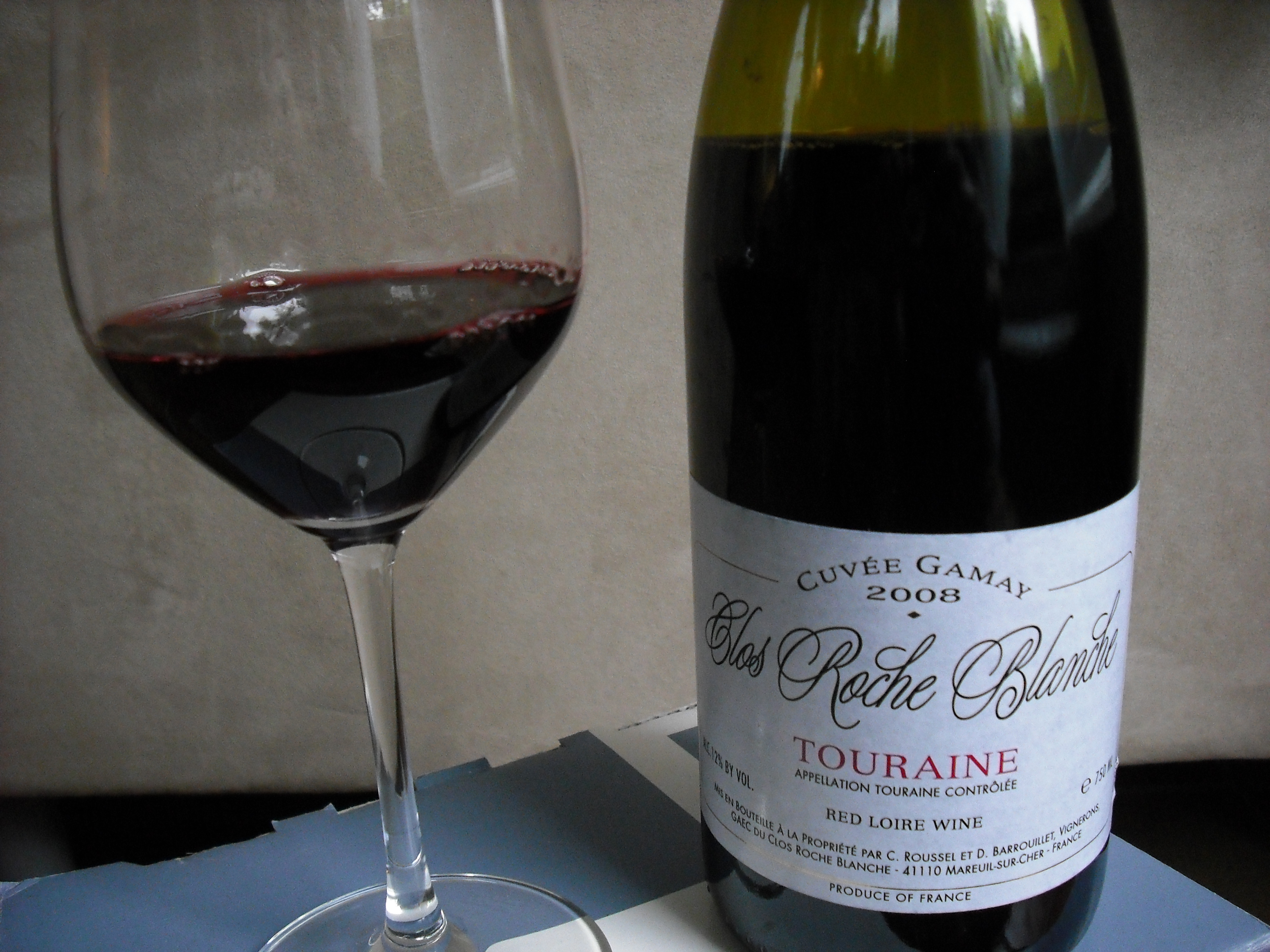
Clos Roche Blanche Part III – Cuvée Gamay 2008

2009-08-01_1861Cuvée Gamay 2008 12% Alcohol – synthetic cork
Wine information:
100% Gamay
Average yield:  22hl/ha
Terroir:  Clay, mixed with flint & hard sandstone, calcareous sub soil,
located at 1ères Côtes du Cher
Manual harvest (100% destalking)
Indigenous yeast, no chaptalisation
Vinification:  Traditional, one week maceration
with daily pigeage or remontages (crushing & pumping over)
Aging in Stainless steel or concrete
10,400 bottles produced
Price in Norway is 130 NOK ($21)

Friday July 31st, 2009 16:45 (4:45pm)

Appearance: Darker then expected color for a Gamay.  Just barely see-through, almost opaque.   Red with purple highlights. Medium intense glow. Clean

Nose: Jumped out of the glass. High intensity. Pepper, black and red berries with hints of leather. Some dark stone fruit like plums. Hints of cocoa powder. Very fruity

Palate: Typically correct Gamay with spice, pepper, black and red berries also on the palate.   Great structure and mild tannins with medium plus acidity. Quite fresh. Although the alcohol is barely noticeable, the structure is that of a wine with higher alcohol.  Long, serious finish.. Have I found a replacement for L’Ancien??  Just 2 minutes in the glass and the tannins are becoming tighter which I personally love. Nice.

Saturday August 1st, 2009 14:21 (2:21pm)

Appearance: No change

Nose: A bit more mellow than yesterday, intensity medium plus. Classic Gamay nose with spice and red berries dominating today with hints of blackberry in the background. The leather and cocoa powder were there but to a lesser degree. Sweet cranberry and red licorice

Palate: Leaning more to the red berries today, raspberries and cranberries with pepper notes in the background. More serious and more elegant than yesterday. Although I enjoyed all the aromas yesterday, today they felt more united. Tannins were still mild, but gripped and held elegantly for at least 10 seconds or more. Nice long finish.  Very fresh. Don’t feel the alcohol.

2009-08-01_1863

Sunday August 2nd, 2009 20:48 (8:48pm) – This wine is at it’s peak today

Appearance: No change

Nose: still quite intense and peppery.  Same aromas as the previous days with the raspberries and cranberries with hints of darker fruit giving this wine some depth while remaining fresh. Pepper still dominates, but not overpowering

Palate: Very sweet fruit today. Sweet red licorice at first with ripe raspberries and pepper on the finish.  Mineral. Really drinking well today . Very typical (good) Gamay and fast becoming one of my top red grapes. Mild but gripping tannins with a ripe fruit finish. Very focused.   Just like the (Pineau d’Aunis) Rosé, the noticeable improvement on this wine tonight is the  focused fruit.. wow.

Monday August 3rd, 2009 23:28 (11:28pm)

Appearance: No Change

Nose: Again sweeter fruit. Red fruit dominating with less pepper than on previous days. Some underlying dark fruit like  blackberries. Sweet red licorice with hints of cranberries.  Some hints of watermelon emerging

Palate: Really red fruit driven with cranberries dominating and the tannins also stepping up. The wine is still very fresh and the acidity is really driving the wine today, but not overpowering it. Really intensely ripe fruit. Still very nice today.. Yummy.  Hints of bitterness on the finish with some minerals.

Tuesday August 4th, 2009 00:31 (12:31am)

Appearance: No change

Nose: pepper stepping up with underlying red fruit.  Hints of blackberries. Wild berries.  Floral hints as well.  Still has quite a pretty nose.

Palate: Like the Pinea d’Aunis Rosé, alcohol a tad more noticeable today. Good structure with mostly red fruits and pepper with hints of oxidation starting to show, although very slight. A tad bitter on the finish

Wednesday August 5th, 2009 17:35 (5:35pm)

Appearance: No change

Nose: Still pretty. Today the flowers are dominating.  Red and wild berries.  Pepper overtones.

Palate: Still very drinkable. Seems a bit more focused again today. A bit better than yesterday. Barely noticeable oxidation. Mostly red fruits on the palate and hints of pepper and mineral. Bitter finish. Still very drinkable.

Thursday August 6th, 2009 23:54 (11:54pm)

Appearance: No change

Nose: A bit darker tonight. Spicy blackberries. Tanbark (or pencil shavings) showing tonight.  Hints of Cocoa. No volatility

Palate: Nice. Cocoa and tannins taking the show. Blackberries on the finish with a hint of spice. Still has great length and freshness. Very, very slight oxidation on the palate, but still very drinkable. Really enjoying this wine tonight.

2009-08-01_1866

In summary, if you like fresh and light wines with hints of spice and dominating red fruit, this is a great wine. Well made and can go with many foods ranging from cheeses to fish and chicken. Another very stable and well-made wine from the Clos Roche Blanche Domaine.

Category: 1 WINE, 2 PRODUCER PROFILE, 3 TASTING NOTES, Clos Roche Blanche - Loire Valley, France, France, Loire, natural wine (just about), Touraine

1 comment


Clos Roche Blanche Part II – Pineau d’Aunis Rosé 2008

2009-07-31_1847In Part I of Clos Roche Blanche the producer profile, I talked about the Loire Valley and this Domaine.  In this entry, Clos Roche Blanche Part II – “The Wines”, I give detailed tasting notes for 4 wines that I was able to find here in Norway.  I was unfortunately unable to get a bottle of the acclaimed Cuvée Sauvignon Blanc nor was I able to get the other Cuvées.  When I do, I will be sure to write about them here on my site.

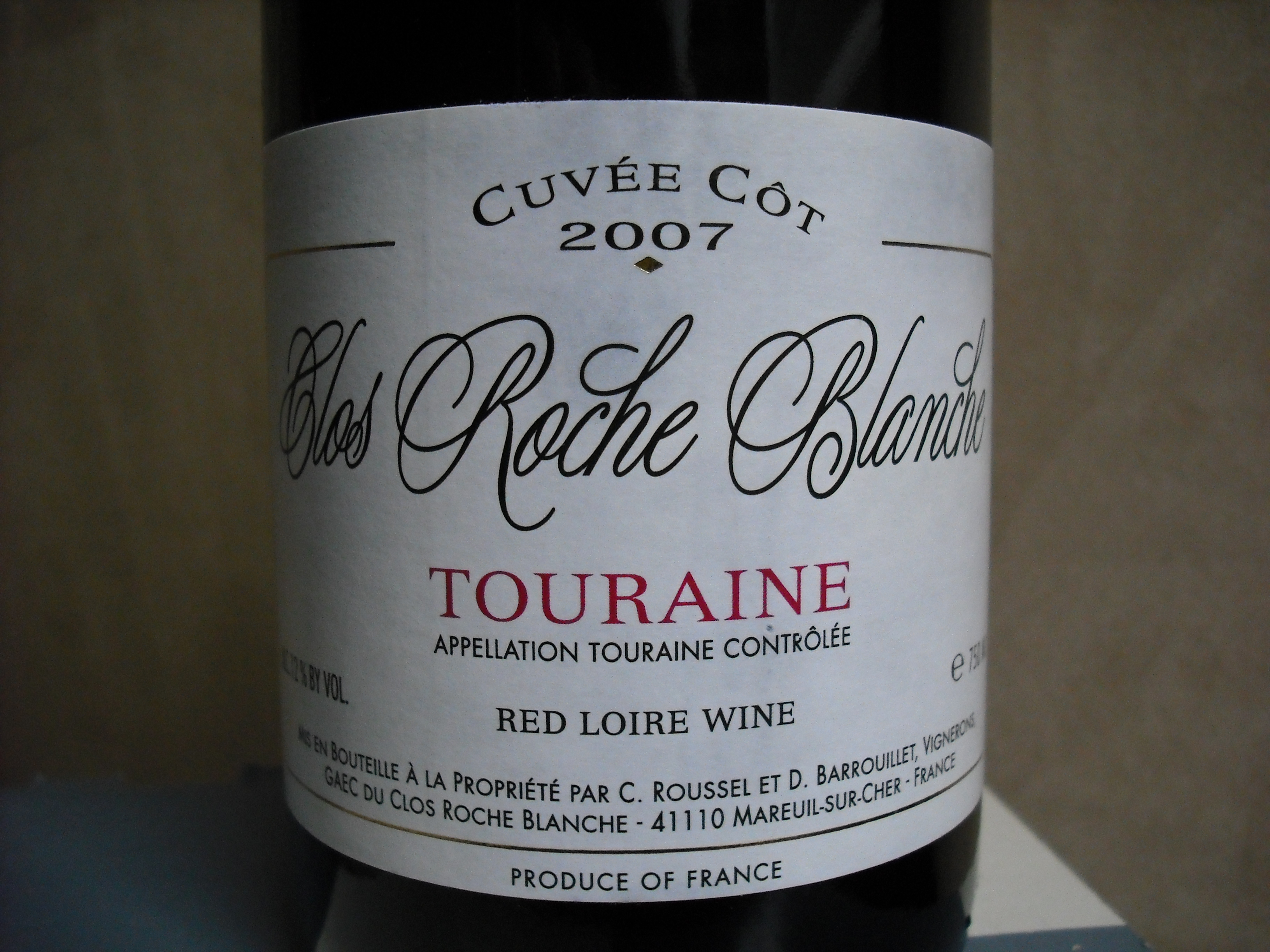
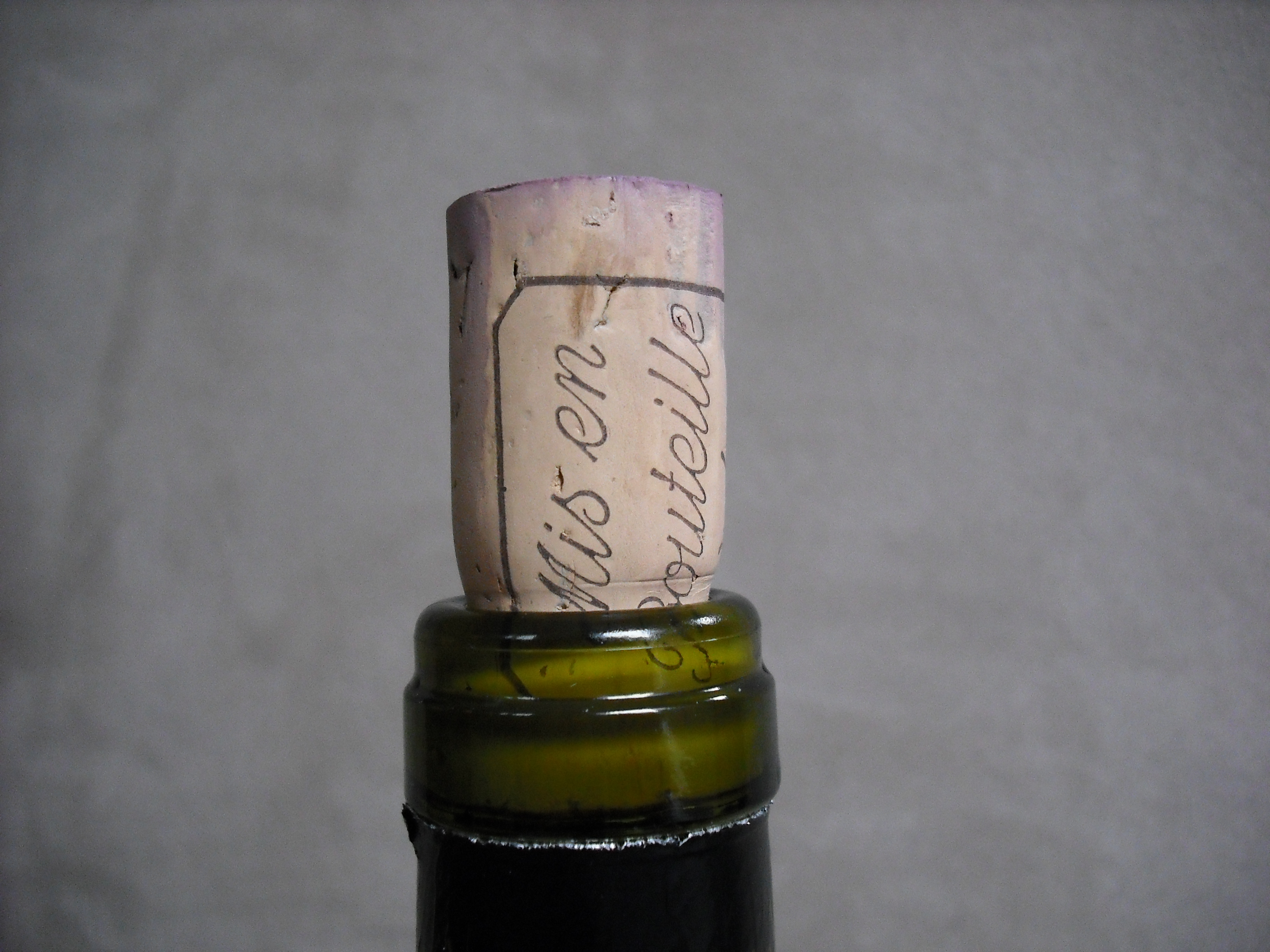
For this entry, the wines were all opened at the same time, Friday July 31st, 2009 at 16:45 (4:45pm) and tasted over the course of one week. Once opened they were simply stored with their original closures and kept in the refrigerator.  I did not pump the air out of the bottles. The first thing that struck me was that three of the four bottles used artificial plastic corks. Only the Cuvée Côt used a real cork. I am not sure how I feel about this as it’s not unusual to use an artificial cork to seal a wine bottle.  However I have to admit that I do find it strange that winemakers who make wines as close to natural as possible are using anything other than real cork.  Please comment on your feelings regarding  this matter.

Here are the wines:

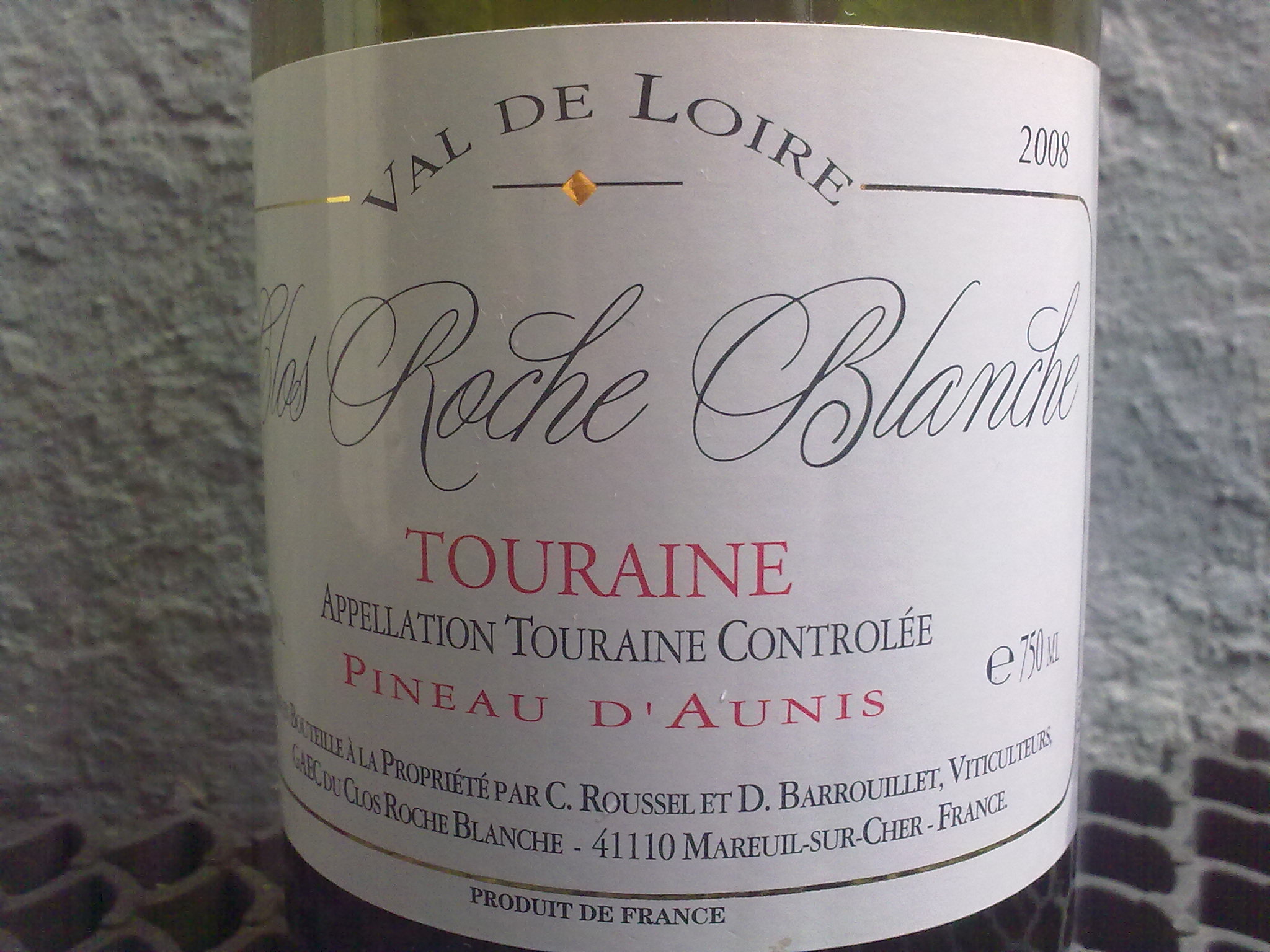
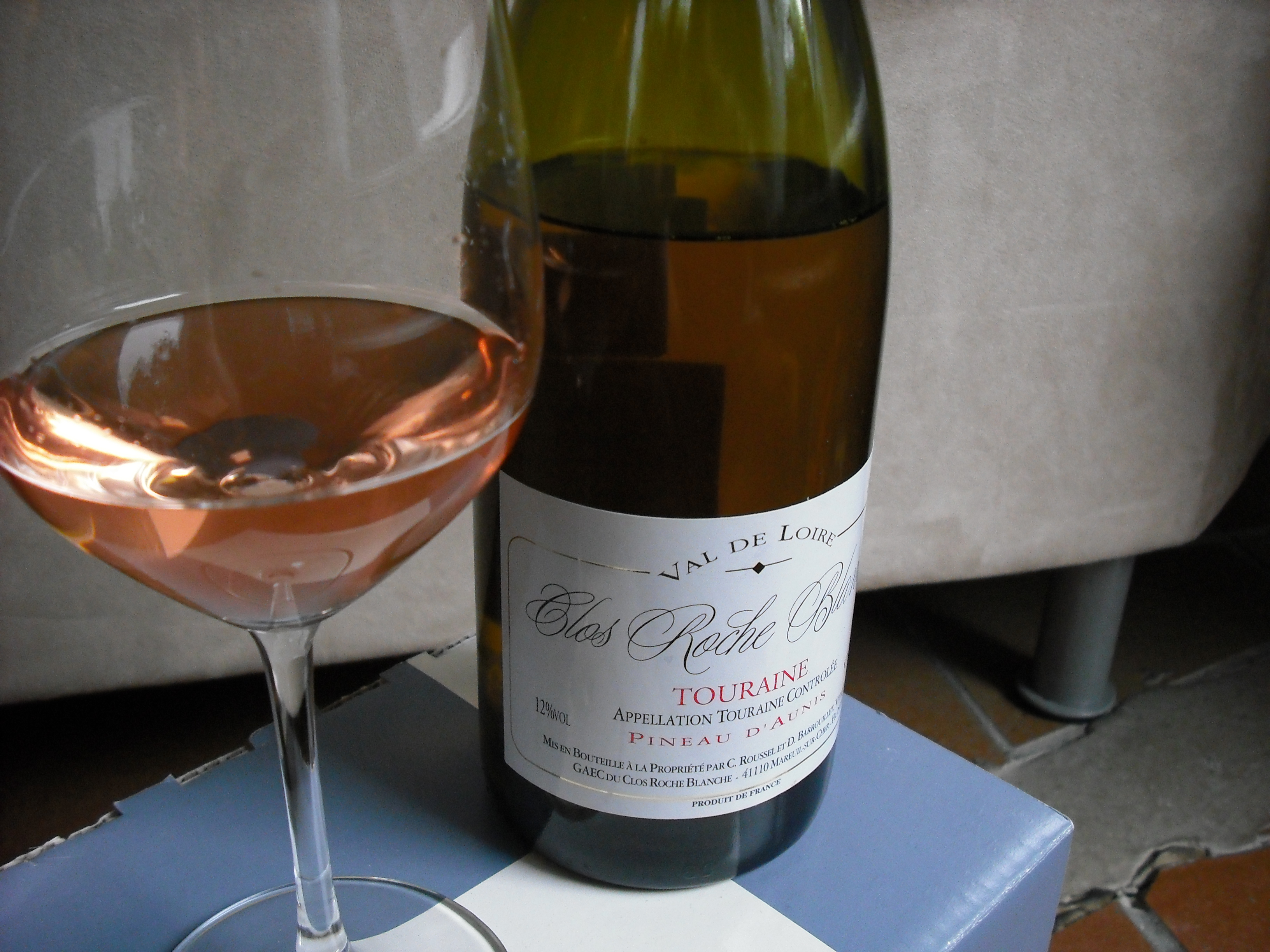
Pineau d’Aunis Rosé 2008 – 12% Alcohol – Synthetic Cork
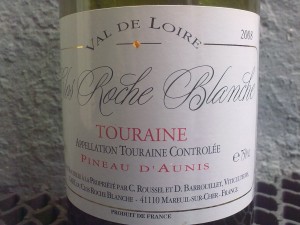
2009-08-08_82009199

Wine information:
100 % Pineau d’Aunis (Chenin Noir)
Average yield:  18hl/ha
Terroir:  Clay-Siliceous
Manual harvest
Indigenous yeast, no chaptalisation
Vinification:  direct pressing, vinification as “vin gris”
(vin gris is white wine made from red grapes)
12 hours skin maceration
Alcoholic fermentation:  4 months
1700 bottles produced
Price in Norway is 130 NOK ($21)

Friday July 31st, 2009 16:45 (4:45pm)

Appearance: what’s there not to like?!  A beautiful light pink grapefruit color. Absolutely lovely color. Clean with a medium intense glow.

Nose: The first aromas I note can only be described as “vitamin C”, the smell you get when you first open a bottle of vitamin C chewable tablets. Aromas of pink grapefruit, hints of under ripe raspberries (red), hints of yeast  (the first bottle I sampled a few weeks ago had much more dominant yeast aromas which I did not like).  Medium intensity and medium complexity.

Palate: Very dry, with medium to medium plus intensity. Grapefruit and under ripe raspberries also on the palate. Medium body, great concentration and great length with yeast and mineral undertones. Very mild tannins.   Medium to medium plus acid.  Well integrated alcohol.  Wow, much better tasting experience today versus the last time I tasted this wine a few weeks ago.

Saturday August 1st, 2009 14:21 (2:21pm)

Appearance: Not much change, perhaps just a shade darker

Nose: Still pink grapefruit but today the yeasty/leesy smell is a bit more dominant.  Hints of pepper which weren’t there yesterday.

Palate: still the pink grapefruit, put now the hints of pepper were also on the palate.  The yeasty feeling was  less noticeable than on the nose. Acidity is now medium plus (an increase from yesterday). There is a slight CO2 tingle at the front of the tongue. Hints of under ripe raspberry. Definitely more open then yesterday and a bit more serious

Sunday August 2nd, 2009 20:48 (8:48pm) – The wine is at it’s peak today.

Appearance: No change

Nose: A little bit sweeter nose today. Red raspberries, but not too ripe. Still hints of yeast, but it’s more of a peppery yeasty smell today. Citrus, pink grapefruit. Definitely more fruity today. Smells really nice

Palate: Very fruity initially with the raspberries and grapefruit really dominating. Less of the yeast today on the palate and a finish that is very long, fruity with hints of pepper and mineral. Very balanced, fruity and fresh. I am actually loving this wine today. Today is definitely the best it’s been with the biggest improvement being on the fruit – its much more focused today than it has been and seems almost “sweet”, though the wine is bone dry.    To sum up – sour red raspberries, fruity pink grapefruit with surrounding pepper notes and hints of yeast and mineral on the finish.. Wow… Looking forward to tasting it with my two types of Zucchini and red onion pasta.
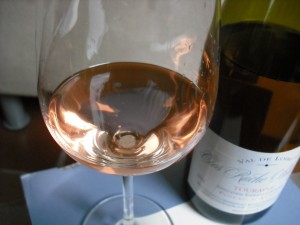
2009-08-01_1854

Monday August 3rd, 2009 23:28 (11:28pm)

Appearance: No change

Nose: the berries are going more towards wild berries today instead of under ripe raspberries. sweet pink grapefruit, red apples today – weren’t there on the previous days. Overlaying pepper aromas. Hints of yeast, but mellowing with each passing day.  A fruitier “sweeter” nose today.  Although it may sound that the nose is more open today than yesterday, it was actually less appealing to me.

Palate: Acidity seems to have kicked up a notch today, but the fruit at the same time seems “sweeter”. Red apples and raspberries, with a mineral finish with hints of bitterness, like the white part of the grapefruit. Still fresh and drinking well, but perhaps it was a bit more enticing yesterday. The bitterness is dominating a bit on the finish.

Tuesday August 4th, 2009 00:31 (12:31am)

Appearance: No change

Nose: pepper dominates with pink grapefruit. Hints of yeast.  Not volatile. Still smells fine

Palate: sweet pink grapefruit and red raspberries with a peppered finish. The alcohol is bit more noticeable today and the fruit a bit more subdued. It has lost a bit of the fruity edge today. Not as exciting.

Wednesday August 5th, 2009 17:35 (5:35pm)

Appearance: No change

Nose: Still driven by the pink grapefruit and pepper notes. Still no signs of volatility on the nose. Still fresh. Still has hints of yeast..

Palate: Still fresh, but that fruit edge it had on the third day seems to have diminished a bit.  Alcohol a bit  noticeable like it was yesterday. However, still very drinkable, but slipping a bit.

Thursday August 6th, 2009 23:54 (11:54pm) – Possibly peaking, again?

Appearance: No Change

Nose: Very fruity tonight with hints of pencil lead. Very ripe red berries.  Strawberries also showing tonight which I have not seen in the previous nights. No volatile aromas

Palate: Strange wine tonight. Very relaxed, fruity and fun. Ripe red fruit, namely raspberries with hints of strawberries. Also getting the hints of pencil lead on the palate. Hints of red apple, especially the skin.  Very fresh. Long, slightly bitter finish.

This is a wine that I don’t particular enjoy when first opened. It did become enjoyable from Sunday night on with the most exciting nights being Sunday (3rd night open) and Thursday(7th night open).
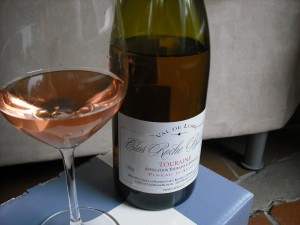
2009-08-01_1851

Category: 1 WINE, 2 PRODUCER PROFILE, 3 TASTING NOTES, Clos Roche Blanche - Loire Valley, France, France, Loire, natural wine (just about), Touraine

2 comments


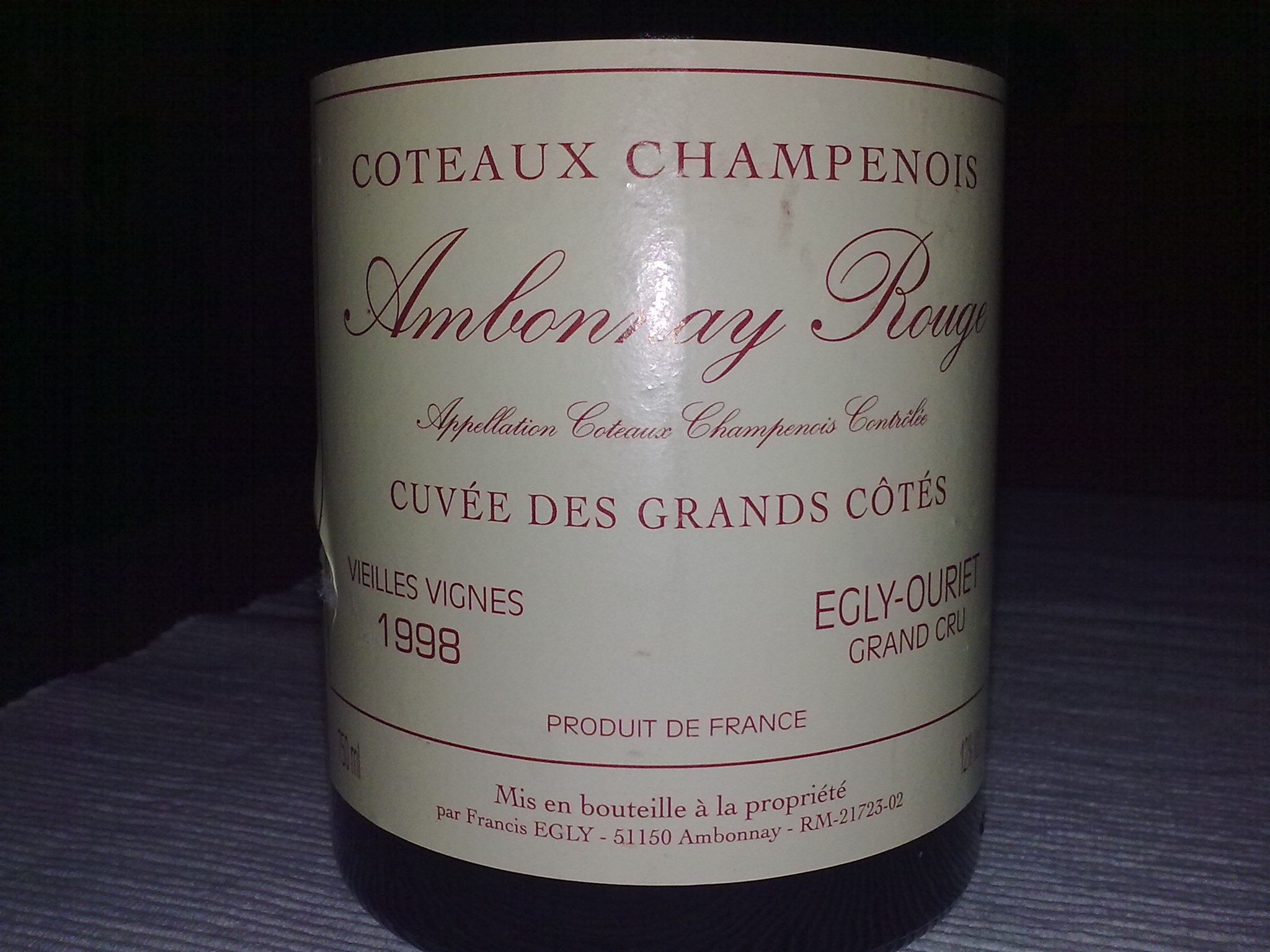
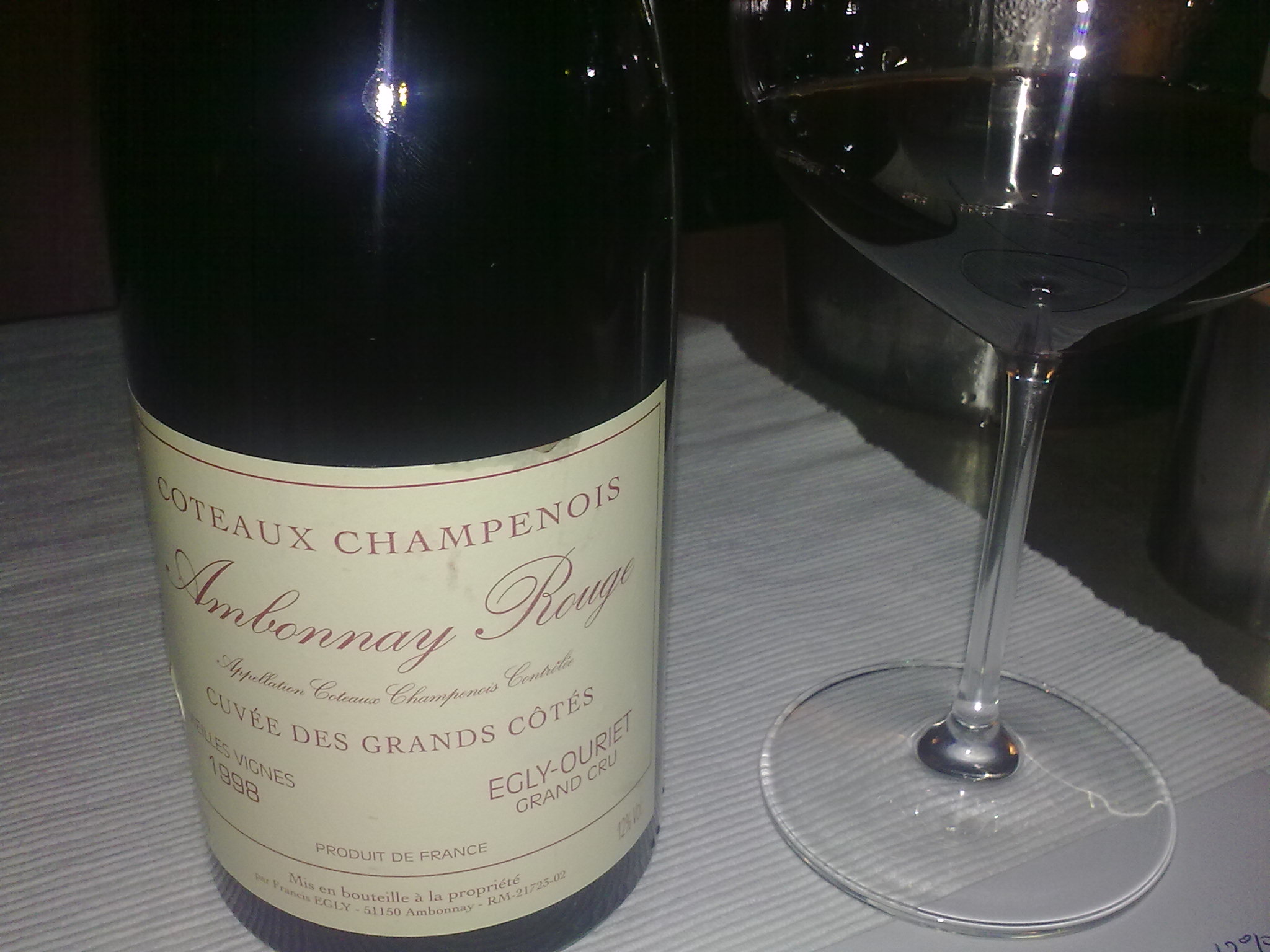
A tasting note: 1998 Egly-Ouriet Ambonnay Rouge Cuvée des Grands Côtés

2009-07-11_72009073

Date tasted:  July 11th, 2009 22:30 (10:30 pm)

Egly-Ouriet has been a personal long time favorite producer of mine. The Champagnes see long lees ageing making them very complex and yeasty.  Located in the village of Ambonnay, Francis Egly owns approximately 8ha of vineyards, the majority of which are in Ambonnay.  All of the vineyards are classified as Grand Cru and have the reputation for producing some of the best Pinot Noir based Champagnes.  Most of the vines average between 30-50 years of age and are farmed using “common sense” principles.  In the most recent years, Francis has reduced the amount of chemical fertilizers, herbicides and pesticides.  He never fines nor filters his Champagnes.

This specific wine is a still red wine made with Pinot Noir.  I am told that Egly-Ouriet produces some of the best wines in the Coteaux Champenois under the guidance of Dominque Laurent.  Only about 200 cases are made.  12% Alcohol.

Appearance: Classic light Pinot Noir color with medium plus intensity. I was in a dimly lit place so I can’t be very precise with the appearance.

Nose: Sweet smoke, cedar, oak and minerals. Ripe cherries, red licorice and raspberry. The bouquet reminded me of the small candies and anise seeds you get when you leave an Indian restaurant.   Some hints of forrest floor and leaves. Quite complex on the nose.  Hints of tobacco.  Intensity about medium.

Palate: Cedar and smoke. Raspberries and those same small Indian candies and anise seeds I got on the nose. Great acidity with medium plus length.  Good concentration while remaining light and fresh. Great structure with mild oak tannins.  Sour cherries. Very elegant.  Hints of dried sour plums.  This is a very elegant wine with still dominant, sweet, cigar box oak.

2009-07-11_72009074

23:35

Subtle hints of sulfur emerging, stinging the nose ever so slightly.  Hints of rubber. Seems as though the wine is closing and the fruit becoming less obvious. The wine never quite returned to it’s initial glory.

A great wine to have the opportunity to taste. I have tasted this vintage on two diferrent occassions and have been impressed both times. I have also tasted the 1999, but prefer the 1998 for its elegance.  This is a well-made Pinot Noir that is drinking well now so if you own a bottle, drink up!

Category: 1 WINE, 3 TASTING NOTES, Champagne, Coteaux Champenois, France

2 comments


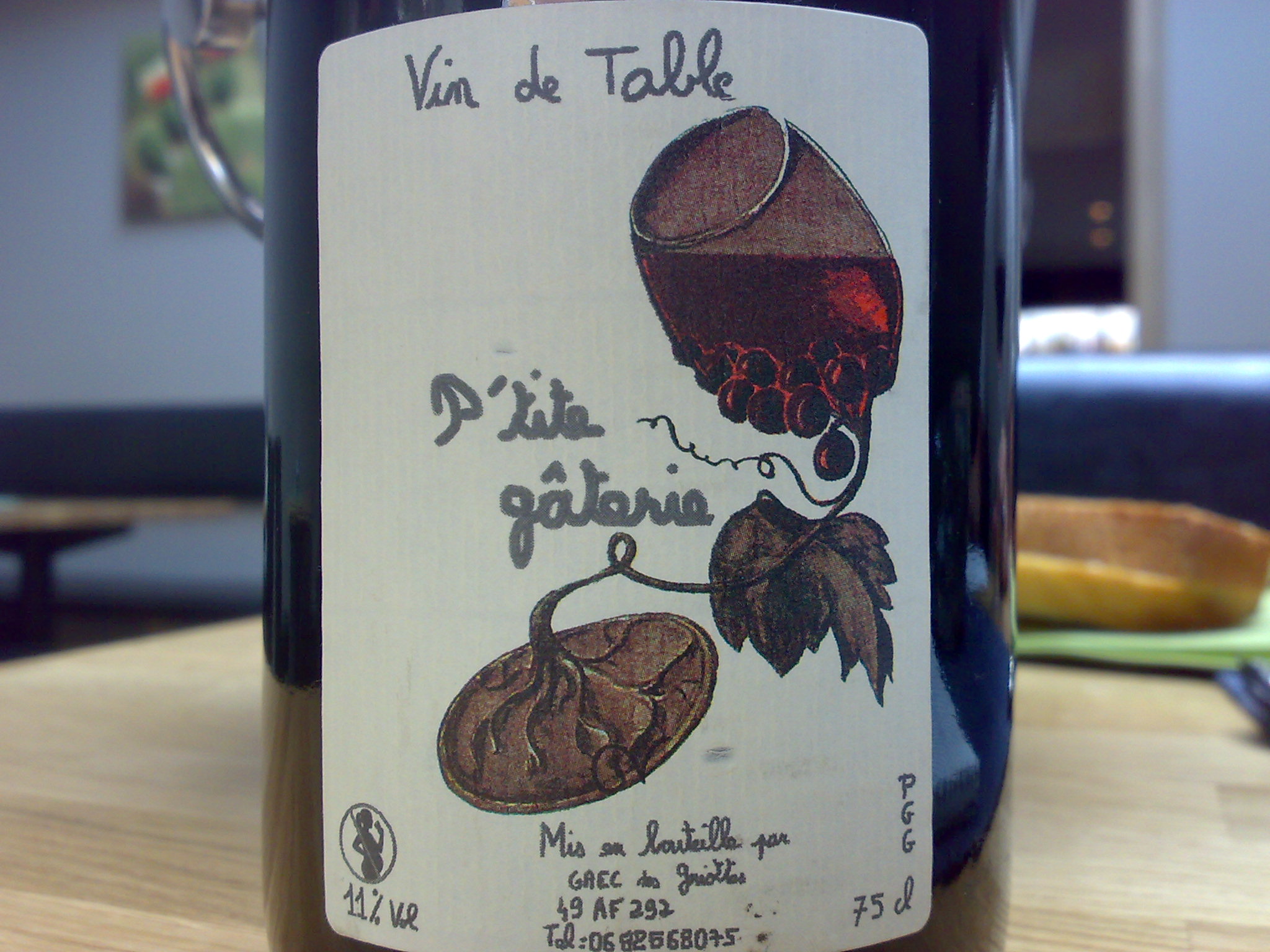
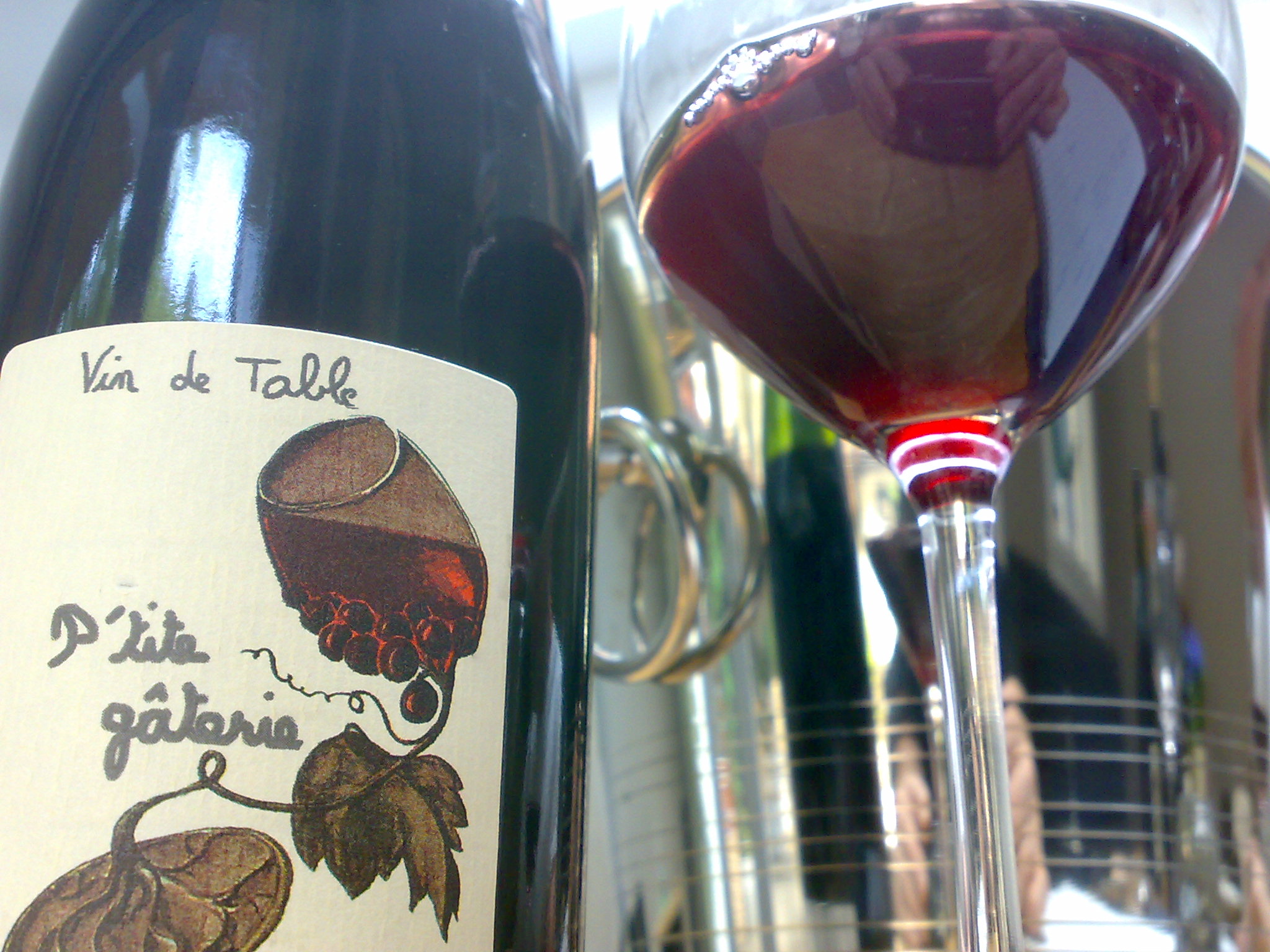
A tasting note: 2006 Domaine Griottes P’tite Gâteri

2009-06-02_620091684Date tasted:  June 2nd, 3rd & 5th, 2009

Located in the Anjou region of the Loire Valley in France, the Domaine Griottes is a natural wine maker making very interesting wines.

This wine is a Vin de Table, or Table wine,  made with 40% Pineau d’Aunis, 30% Grouillot and 30% Gamay.  The Pineau d’Aunis grape was more widely planted in the Loire in the past but has been largely ripped out to make more room for commercial grapes.  Dating back to medieval times,  this individual variety bears small black grapes.

The grapes for this wine are picked entirely by hand.  The maceration period is between 60-70 days in fiberglass.  No treatments, no sulfur, no filtration nor fining.  Only indigenous yeast – spontaneous fermentation.  This wine was bottled around August of 2007 and is totally without any additives.  It’s totally natural.

2009-06-02_620091685First tasting (June 2, 2009 15:00):

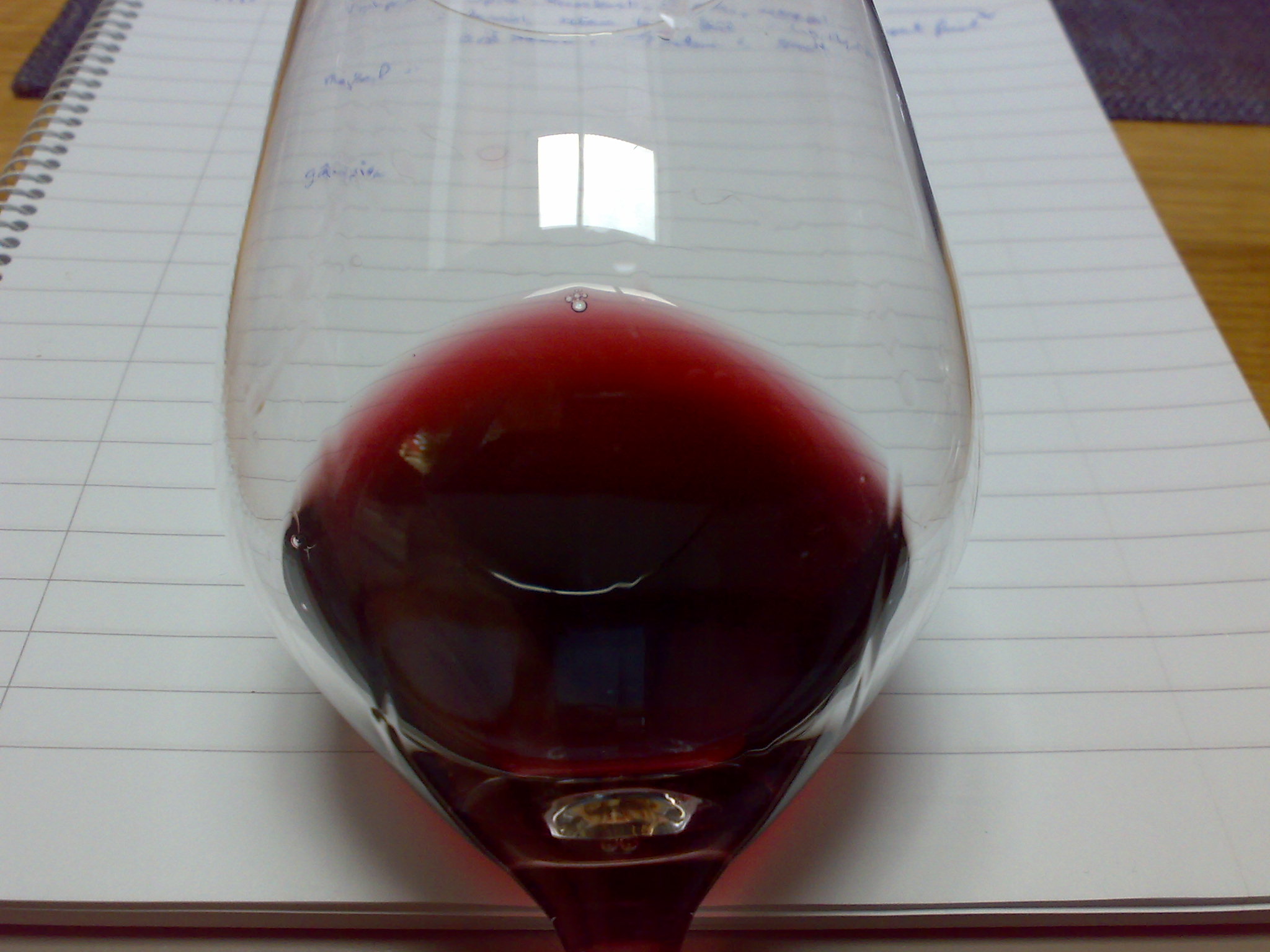
Appearance: Light Color. Dark pink rose pedal, light red. See through like a Pinot Noir. In a blind tasting, the Pinot Noir would be the first grape I would think of.

Nose: Incense, white pepper, black tea, musk, cherry and raspberries. With some air, hints of blackberries also emerged.  Very complex for a light & fresh wine with only 11% alcohol. Hints of saddle or baseball mitt and hints of licorice also emerging.

Palate: Light and fresh with medium plus acidity.  Medium fruit tannins with precise, focused fruit shining through. Red plums and plum pits.  Long, fruity finish with persistent well-integrated tannins.  The alcohol is extremely well integrated.

2009-06-02_620091686

Second tasting (June 3, 2009 23:56):

Appearance: Only slightly darker, but not much color change noticeable.

Nose: Less of the exotic spices, more dark plums and hints of blackberry. Seems a bit more closed tonight then it did yesterday afternoon..With more glass swirling, more of the pepper and licorice emerged again.

Palate: Tannins are firmer than yesterday, but still only at a medium minus to medium level.. Some roasted meat aromas and rosemary. Dark plums.  Acidity still medium to medium plus.   Some hints of pepper, smoke and minerals in the background.

Compared to yesterday, less aromatic and spicy on the nose.  Not as exotic.  A bit more focused and serious.  Good concentration while still remaining light and fresh with a 30 second finish.  The alcohol is a bit more noticeable than yesterday.. Will retaste tomorrow.

Third tasting (June 5, 2009 00:49):

Nose: Again, less exotic and less “spicy”.  More perfumed and floral.  Dark plums and morel cherries.  Hints of red fruit and anise.  A bit nutty.

Palate: Superb concentration with hints of hazelnuts.  A bit darker fruit, plums and some blackberries, with supporting red fruit like raspberries.  Mild plus tannins. Medium acidity.  Quite elegant and long with a smoky aftertaste.  Surprisingly structured and still drinking well.  A bit more serious than yesterday with very well integrated alcohol.  Drinking very well today.

Open for almost 3 days and stored in the cellar at around 16°C, and still beautiful, in fact perhaps better than when I opened.  Who says you need to add sulfur to wine to keep it once opened.  In my opinion, natural wine is alive and with a little air and some days exposed to oxygen, the wine fully comes alive and expresses itself.  In contrast, conventional wines made from grapes with pesticides and then manipulated in the winery, are dead and once opened and exposed to oxygen, only decline…

I will continue to focus on wines made naturally and I will hopefully also eventually have the will power to keep a bottle open for a longer period.  Please stay tuned.

Category: 1 WINE, 3 TASTING NOTES, Anjou, France, Loire, natural wine (100% living wine)

4 comments


A tasting note: 2002 David Léclapart L’Amateur Blanc de Blancs Extra-Brut

2009-03-25_320091181

Date tasted: March 25th, 2009 (also on at least 4 other occasions over the last two years.)

David Léclapart is a biodynamic Champagne house located in Trépail in the Montagne de Reims. Montagne de Reims is the home of the Pinot Noir grape, but Trépail is an exception to this rule.  Trépail is a Premier Cru village that grows Chardonnay in the heart of Pinot Noir land.

David has farmed his 2.75ha of vines biodynamically since 1998, producing a measly 7000 bottles per year in total,  spread across 4 different wines.  He uses minimal sulfur and doesn’t filter.

This cuvée is called L’Amateur and from what I gather, it’s his “entry-level” Champagne. It’s a blend of Chardonnay grapes from within Trépail.  Although the vintage is not clearly marked on the front label, this IS a vintage Champagne. On the back label in small writting you will find “L.V02″. I don’t know how long the wine has been on the lees, but I would estimate based on purchase date that it spends around 4 years on the lees.  This is an Extra Brut (less than 6 grams of sugar per liter).

Appearance: Some development showing. Good bubble structure and fine mousse.

Nose: I have had this cuvée and vintage on at least 4 other ocassions and this Champagne has really developed in the last few years. Intoxicating flinty minerality dominates with  pure green and yellow apples with some citrus overtones. Some honey notes and mushrooms in the background as you might expect to find on a developed Chardonnay.

Palate: The best way I have come to describe this Champagne when I have tasted it in the past has been to describe it as a very well made, unoaked Chablis with bubbles. Think Louis Michel or Daniel Dampt and you’ll get it. Ton’s of fresh minerals, yellow apples and hints of flint on the palate.  Fine and elegant bubble structure.

This is what I call a transparent wine. Everything is as it should be and easily understood. The fruit and structure are clean. It’s like cooking that fresh meal using the freshest of ingredients and being able to taste every single one of those ingredients. This is why I like naturally made wines. You can taste what should be in the bottle. David respects four principles:  purity, energy, pleasure and ecology. And, this is evident.

Some say that Champagne doesn’t develop well when it’s given a low dosage (of sugar in the form of grape must) after dégorgement, but this Champagne with it’s very low dosage has developed marvelously and is simply put,  is impressive. I have always loved this Champagne and this experience was no exception. I did feel however, that it was at or very near it’s peak, so if you find a bottle of the 2002, buy it, drink it, enjoy it!

2009-03-25_320091179

Category: 1 WINE, 3 TASTING NOTES, biodynamic wine, Champagne, Trépail

Comment


A tasting note: 1985 Krug Clos du Mesnil Magnum

Date tasted: March 8, 2009

Krug is in a league of its own. Of all the big boys in Champagne, I have to say that this is my favorite. Always muscular, but feminine at the same time. Everytime I drink Krug, there is just something so Krug about it. If you have tasted Krug, you know what I mean. If you haven’t, then you need to go and find out.

krug_logo

Founded in 1843 by Johann-Joseph, Krug is a Négociant-Manipulant (they source the majority of their grapes rather than growing them) located in Reims in the Montagne de Reims. They own 19ha of their own vineyards, and buy in top quality grapes from around 56ha.  Krug remains one of the few Houses in Champagne to ferment in small oak barrels.  They don’t practice malolactic fermentation (the fermentation that converts the natural occuring, tart tasting malic-acid to a softer tasting lactic-acid), and they utilize extended lees aging of 6-8 years even for their “basic” Grande Cuvée. They don’t filter their wines. Annual production is around 500,000 bottles.

clos-du-mesnil-vineyardThe Clos du Mesnil is an exception to the Krug rule of  blending. This wine is 100% Chardonnay from the renowned Clos du Mesnil vineyard within the village of Mesnil-sur-Oger in the Côtes de Blancs. This historic 1.85ha vineyard has been enclosed by a stone wall since 1698  and is set on a southeast-facing slope and is sheltered from the weather by its wall and surrounding houses.  This vineyard was purchased by the Krug family in 1971 and started to carefully restore the vineyard to its previous glory by replanting the Chardonnay vines one section at a time. By 1979 the vintage had achieved the quality Krug was aiming for and was therefore the first vintage of the Krug Clos du Mesnil. Only about 12,000 bottles of this wine are made in only the top vintages. Even less bottles are produced in the desireable Magnum size.

2009-03-08_320091041

Tasting this Champagne was a rare and most likely once in a lifetime opportunity for me. One I am very grateful for. Let’s talk vintage for starters. The 1985 vintage in Champagne was considered an excellent vintage. Perhaps the best vintage of the 1980′s.

2009-03-08_3200910701985 started with the worst frost the residents of Champagne had seen in over 150 years. In January, the temperature outside reached a low of -25 Celsius (-13 Fahrenheit)! At this point, the vines were still hibernating, so no damage done. However, by the time the vines had awoken it was still -15 Celsius (5 Fahrenheit) outside resulting in around 10% of the vineyards freezing. Even into April, outside temperatures were below freezing.  Thankfully, the weather changed substantially as the vines flowered and temperatures in August and September were hot.  Thanks to the long Indian Summer, harvest was in late September resulting in a small harvest of very concentrated grapes. The wines made from this vintage are still quite youthful and can rest a few more years down in the cellar.

Appearance: Slight development showing. Slightly darkened color, but not much. Fine and elegant stream of bubbles with a delicate mousse.

Nose: Fresh lemons with hints of mushrooms and truffle with overlaying minerality. Hints of toasted wood.

Palate: Very minerally with bright lemon fruit. Awesome acidity and length. Some toasty bread notes and hints of oak, but only hints.

I call this the sleeping giant. I don’t think that this wine fully opened this evening. We were a group of around 10 which meant that the Champagne was drunk up too quickly for it to come around. It was elegant, acidic and fresh, but not what I expected from this great wine. According to a reputable source, the  75cl bottled scored 98 points with a drinking window of between 2007 and 2020. Since Magnums (150cl) bottles are deemed by many to have superior aging potential (they age more slowly), I would imagine that perhaps this bottle was not quite ready and nowhere near its peak. I look forward to the next time we meet then. If there is a next time!

2009-03-08_13652009-03-08_1367

Category: 1 WINE, 3 TASTING NOTES, Champagne, France, Reims

4 comments


A tasting note: (1997) Egly-Ouriet Cuvée Speciale Grand Cru Brut

Tasted: 8th of March, 2009

2009-03-08_320091038

(1997) Egly-Ouriet Cuvée Speciale

First of all, I would like to apologize for the quality of the photo, specifically the glare. I am not a photographer and especially on occasions like this evening where 8 different Champagnes of this caliber were pulled out of the cellar  by our most gracious host, I got so excited that my photography suffered even more!

On to the information which is, after all, why you are reading this! Thanks again to The Wine Doctor, which is where I found the most amount of useful information about Egly-Ouriet to add to my own.

A Récoltant-Manipulant (RM), Egly-Ouriet is considered by many, and myself,  to be one of the finest growers in Champagne today. Located in Ambonnay in the Montagne de Reims, they farm about 8ha of vines, all of which are Grand Cru.  75% of the vineyards are Pinot Noir, 25% Chardonnay and the average age of the vines is 35 years.  In addition, he also owns a small plot of Pinot Meunier (not Grand Cru) in Vrigny which he bottles separately as the Vignes de Vrigny NV.

In recent years, Egly has reduced the use of chemical fertilizers, herbicides and pesticides and he aggressively green harvests during the summer to control yields.

In the winery, he is one of the few in Champagne to ferment in Oak. His wines are never fined or filter before being bottled for the second fermentation. Sulfur use is minimal.  He practices long lees aging, up to 10 years on the 1996 Magnum. Low dosage is a trait, along with the date of Dégorgement (The process of freezing and removing the end of the bottle to extract sediment after the second fermentation of a sparkling wine) on the back label.

Egly-Ouriet also makes an Ambonnay Rouge. A 100% Pinot Noir still wine. I have had the opportunity to taste the 1998 and I thought that it was an extremely good effort. I tasted this wine in 2008 and although the oak was still dominant, the character of the oak was not offensive and the wine was quite fresh. I remember sweet cherries, minerality and good acidity and balance with a long finish. It was drinking quite well at the time, but could spend a few more years in the cellar for the oak character to soften a bit.

I am quite the Egly-Oriet fan. Due to extended lees ageing for his top wines, you can expect to find a rich style of Champagne with lots of yeast, toast and biscuit. When opened his Champagnes need lots of air

On to the Cuvée Speciale!  According to the Norwegian importer for Egly, this was most likely an experiment for Egly-Ouriet. It was only made in two vintages, 1997 and 1998, and few bottles were made. Although the vintage on this wine is not stated on the label, it is a single vintage.  This was the 1997 vintage. Date of Dégorgement was 2002, so it spent about 48 months on the lees. This wine was aged for approximately 10 months in 100% new french barriques. 100% Pinot Noir.

Appearance: a bit darker than the other Champagnes in it’s company. It appeared to be a bit older than it actually was.

Nose: the first aromas that were present for me were the mushrooms. My initial impression was that it may have been slightly over it’s peek. Aromas of yeast and minerals also showing along with the somewhat muted fruit.

Palate: a very mellow attack and first impression. Quite fresh, at least fresher than the nose would have indicated. Yeasty with mellow with persistent acidity.  Oak still dominant. Mushroom character also on the palate.

Overall, this Champagne did not impress me. I will admit, there was some heavy competition this evening but based on my knowledge and past experience with other Egly-Ouriet’s, this is my least favorite Cuvée. Although it was rich and yeasty, an Egly trademark for me, it lacked the backbone of freshness I have come expect from Egly and I think this Champagne may have been past it’s prime.

Category: 1 WINE, 3 TASTING NOTES, Ambonnay, Champagne, France

Comment


A tasting note: 1996 Billecart-Salmon Cuvée Nicolas Francois Billecart Brut Magnum

Date tasted: 8th March, 2009

This has always been my favorite Cuvée from the well-known Champagne house Billecart-Salmon. They also produce a benchmark Rosé (many think that the name Salmon is the name given due to its color) that is a favorite among many Rosé Champagne lovers. Located in Mareuil-sur-Aÿ in the Valée de la Marne, this house was founded in 1818 by Nicolas Francois Billecart and Elisabeth Salmon.

2009-03-08_1372

This is cuvée was created in 1964 as a tribute to the House’s founder. It results from the blending of Grand Crus from the classified Côte des Blancs vineyards (Chardonnay – 40%) and the Montagne de Reims (Pinot Noir – 60%).  Alcoholic fermentation is carried out in steel at a very low temperature of 12C (about 54F).  After the malolactic fermentation, this wine is left to age on the lees in the bottle for at least 6 years (this was the amount of time for the 1/2 bottle, so the magnum could have been on the lees longer) before dégorgement (the process of freezing and removing the end of the bottle to extract sediment after the second fermentation of a sparkling wine).

On the nose: Fresh white toast, in other words, lots of autolysis (yeast). Fresh red apples and some minerals also appeared on the nose.  After some time being opened, I got the sensation of roasted duck breast on the nose as well. On the palate, this wine was extremely well balanced and extremely young and well-balanced. Excellent concentration of red apples, yeast and minerals.

This Champagne is extremely drinkable now, but in my opinion has huge cellaring potential. Keep in mind that this was a Magnum (150cl) and the 1996 vintage is considered by many to be one of the finest vintages of the century. Magnums tend to age more slowly and are referred to by many as the bottle size of choice for Champagne’s and other wines.

Category: 1 WINE, 3 TASTING NOTES, Champagne, France, Mareuil-sur-Aÿ

Comment


A tasting note: Champagne Claude Cazals Cuvée Vive Blanc de Blancs Grand Cru Extra Brut

2009-03-08_1349

Date tasted: 8th March, 2009

Champagne Claude Cazals is  located in Mesnil-Sur-Oger in the Côtes des Blancs, the home of the Chardonnay grape in the Champagne region.  This wine is 100% Chardonnay and is without dosage (the sugar in the form of grape must that is added after the second fermentation). Malolactic fermentation is not encouraged, but can occur spontaneously.  The number of months on the lees is not known.

Claude Cazals is a Récoltant  Manipulant (a grower that also makes wine from its own grapes (a maximum of 5% of purchased grapes is permitted)). You will find the intials RM at the bottom of the label in small letters. Typically, these houses produce smaller quantities of wine than the “Big Houses” do and very often these Champagnes are more affordable as well. These are the Champagne’s I prefer to drink.

We drank this Champagne as an aperitif. It had a very fresh nose which included aromas of green apples, autolysis (yeast) and minerals. On the palate, again green apples, minerals and autolysis. This wine was very fresh and concentrated and due the high level of acidity, could benefit from a year or two in the cellar. I felt that at times, the acidity seemed to be the most notable attribute of this wine and it slightly overpowered the fruit and overall balance of the wine. The finish was very long and had some bitter notes not unlike the bitterness you find when chewing apple seeds.

A very well made Champagne indeed. One I wouldn’t mind storing for a few years to see if it improves.

Price in Norwegian Kroner = NOK 294,-  ($45)

Category: 1 WINE, 3 TASTING NOTES, Champagne, France, Mesnil-Sur-Oger

Comment


categories

  • 5 VIDEO WINE TASTING
  • 8 FOOD
  • Events
  • Photos

about


Vinosseur is the company name of sommelier Joseph R. Di Blasi. Vinosseur.com is his web page where he writes about wine, food, restaurants and other gastronomic experiences.

Joseph has a special place in his heart for quality wines from the old world, especially France & Italy, with a strong focus on Organic, Biodynamic and Natural wines.

Joseph grew up in Italy and California, but left The States in 2002 and now resides in Poland.

get in touch

Joseph would love to hear from you! You can contact him by email at vinosseur@gmail.com


Foodista Featured Wine Blog of the Day Badge