Archive for the ‘2 PRODUCER PROFILE’ Category

Clos Roche Blanche Part III – Cuvée Gamay 2008

Thursday, August 13th, 2009
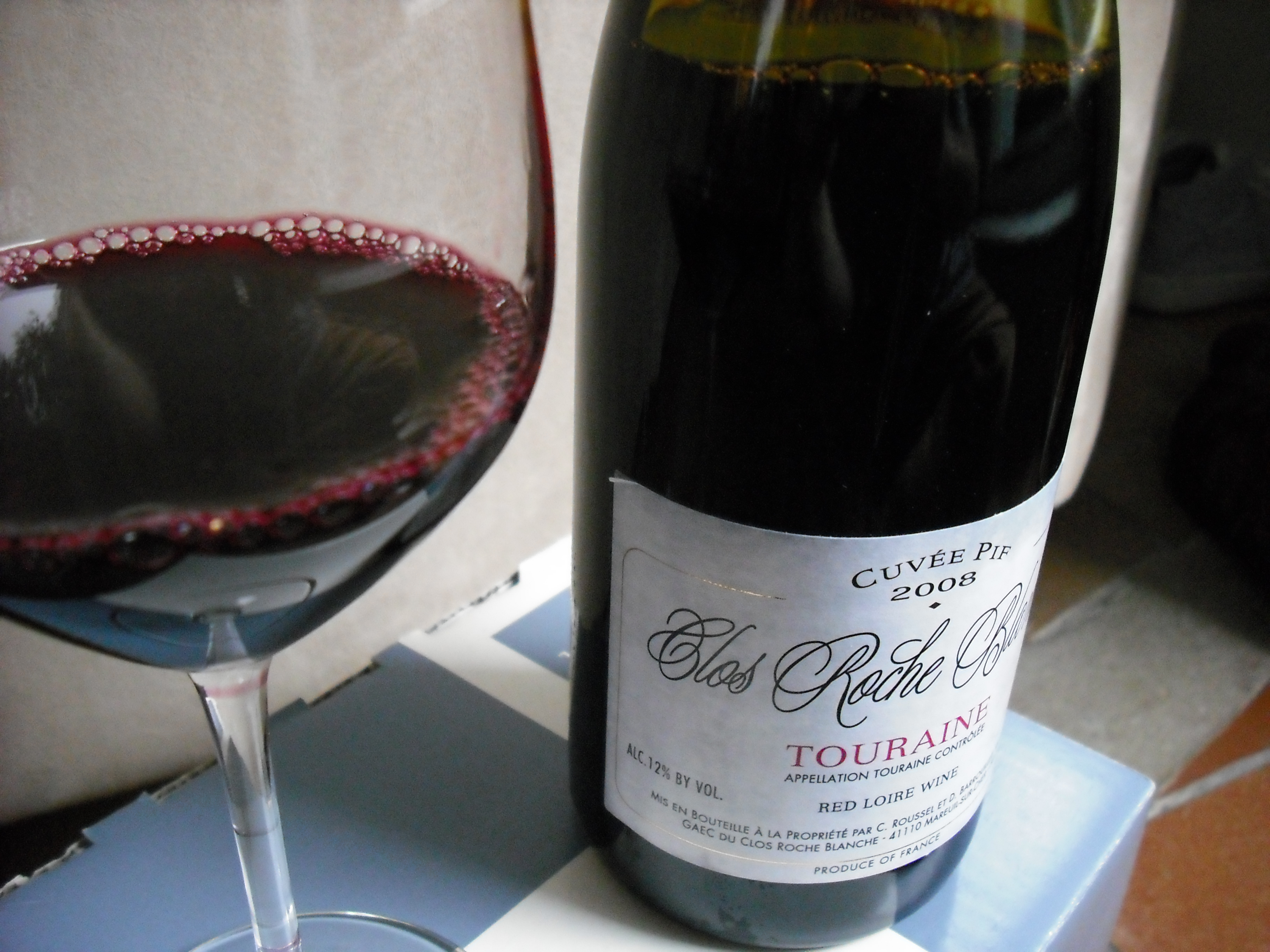
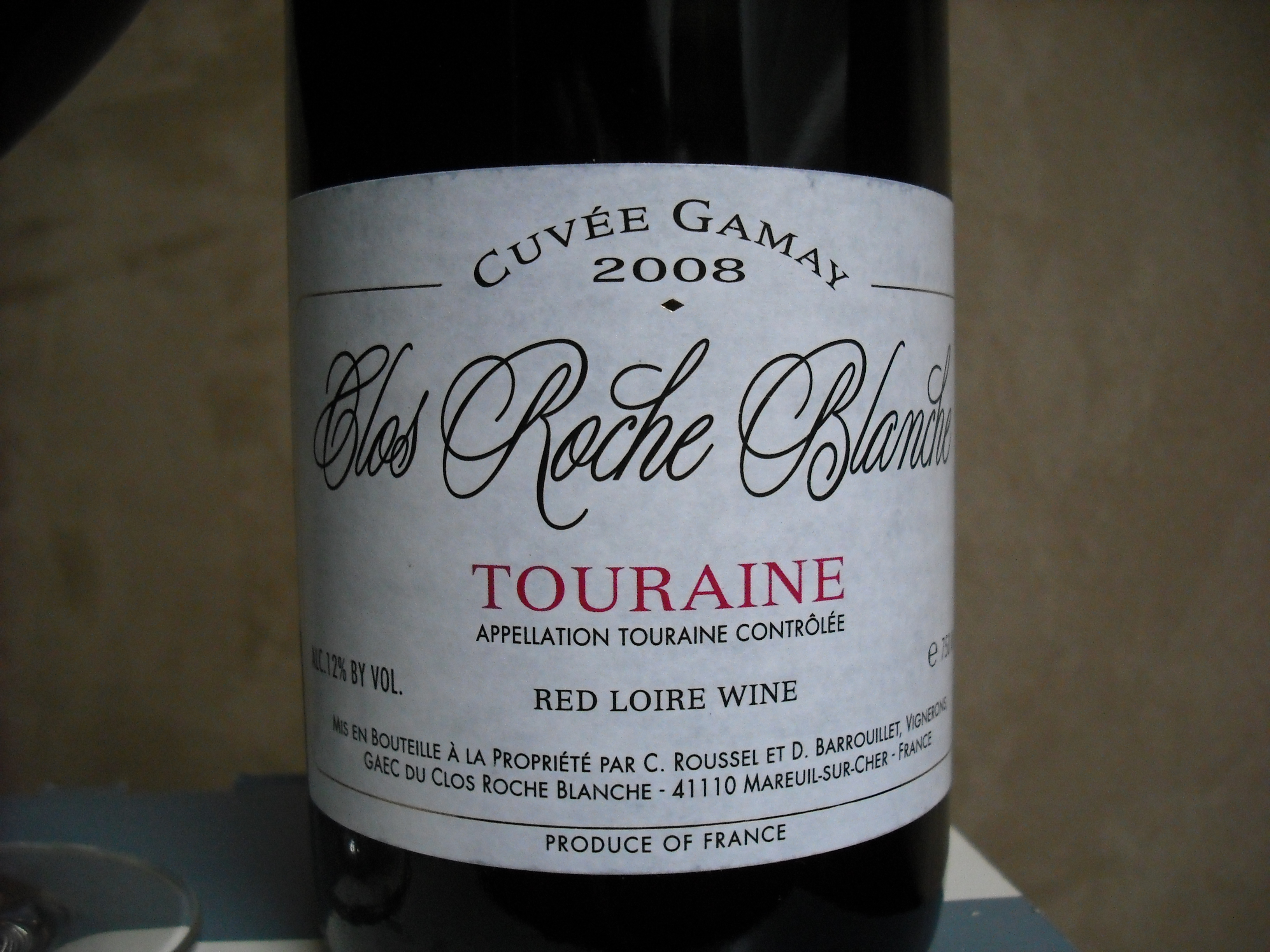
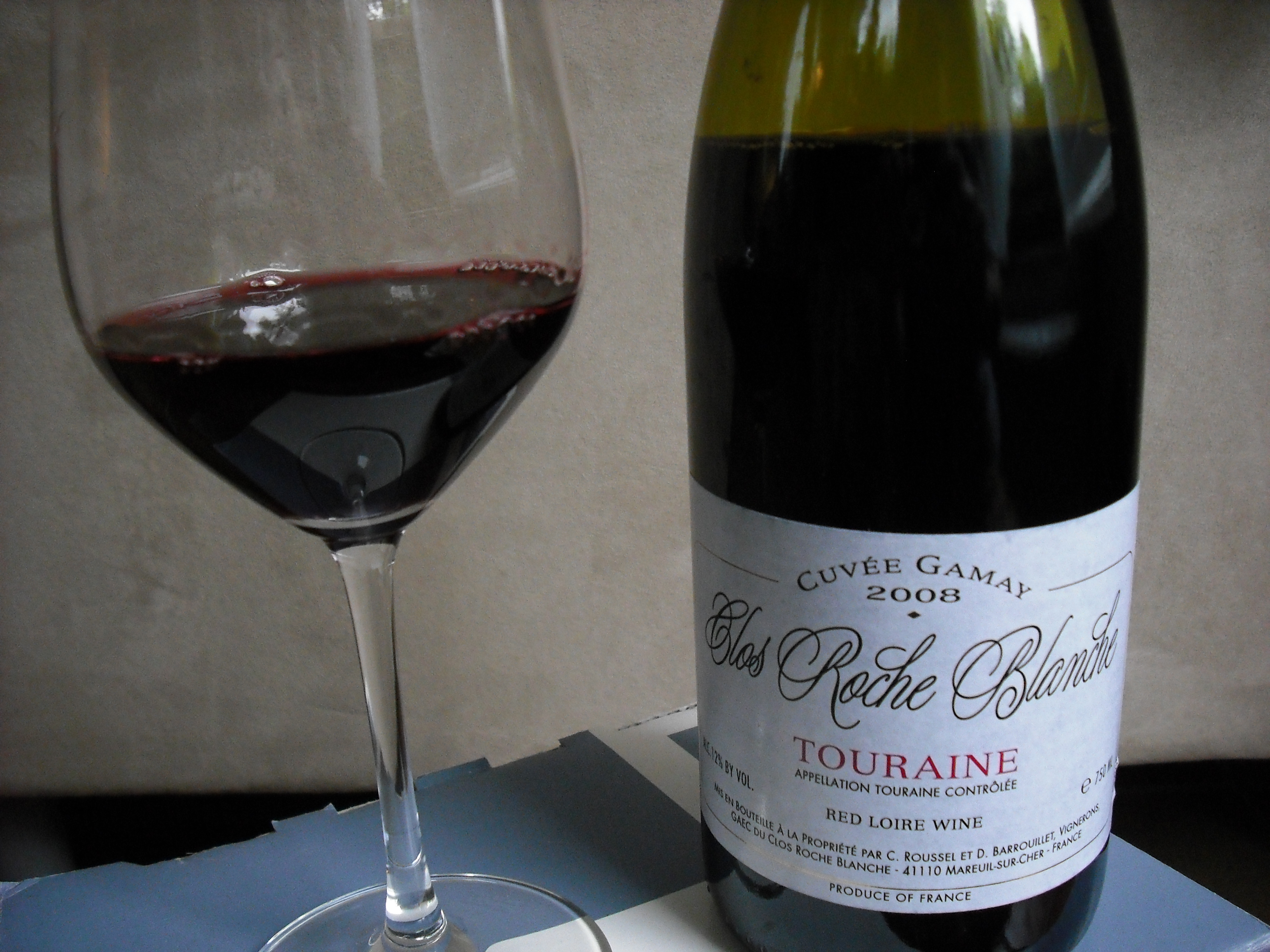
2009-08-01_1861Cuvée Gamay 2008 12% Alcohol – synthetic cork
Wine information:
100% Gamay
Average yield:  22hl/ha
Terroir:  Clay, mixed with flint & hard sandstone, calcareous sub soil,
located at 1ères Côtes du Cher
Manual harvest (100% destalking)
Indigenous yeast, no chaptalisation
Vinification:  Traditional, one week maceration
with daily pigeage or remontages (crushing & pumping over)
Aging in Stainless steel or concrete
10,400 bottles produced
Price in Norway is 130 NOK ($21)

Friday July 31st, 2009 16:45 (4:45pm)

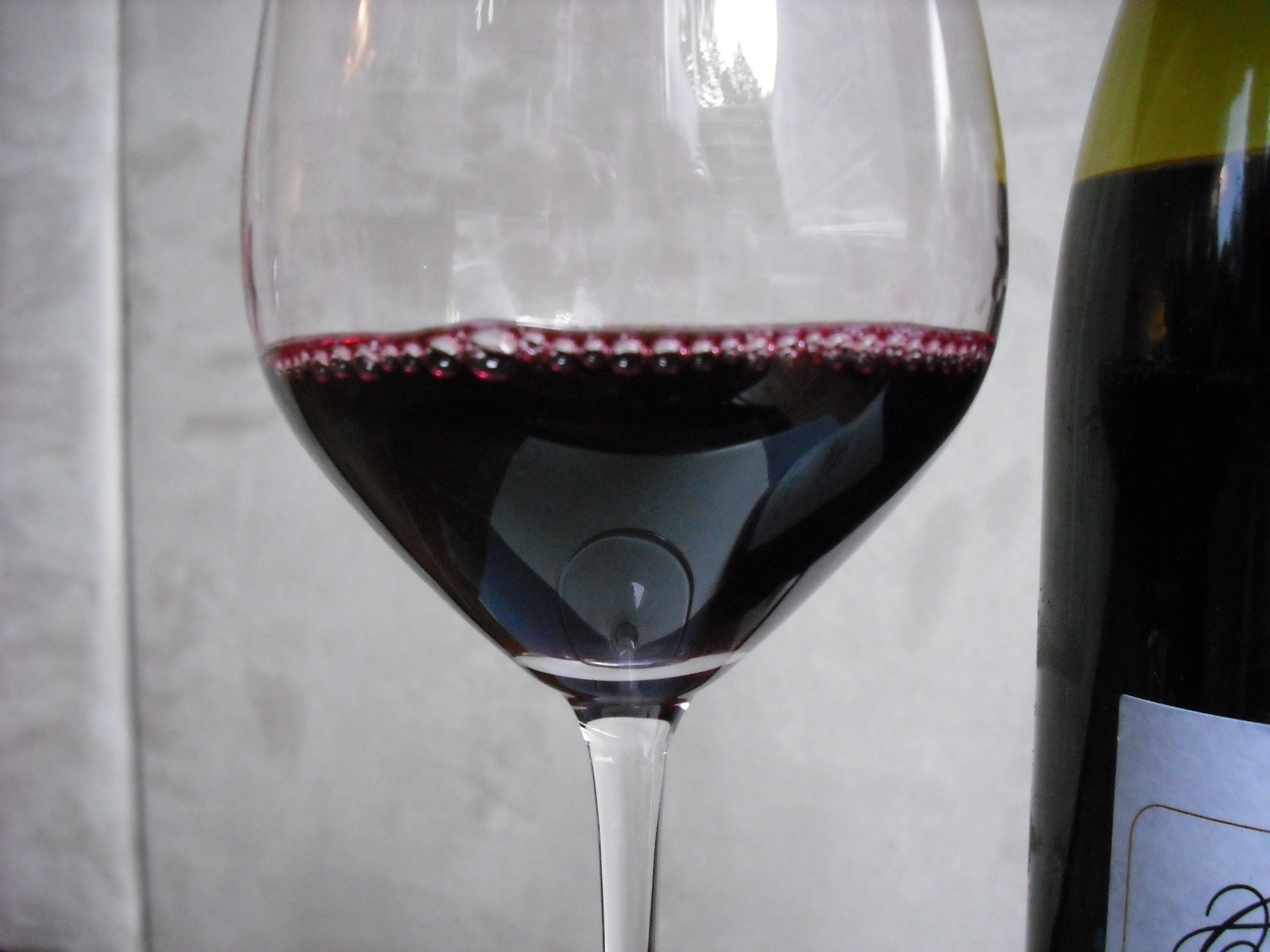
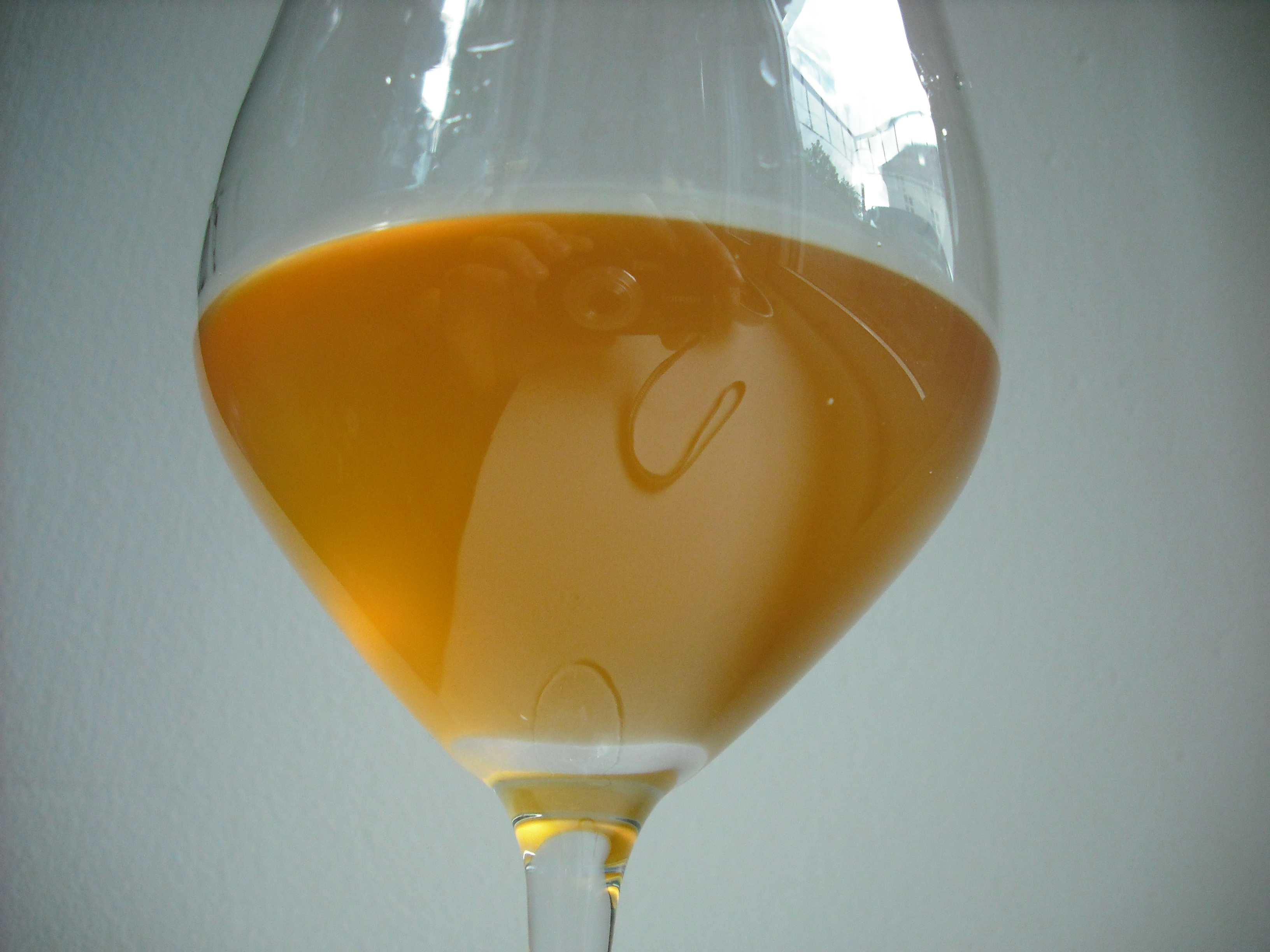
Appearance: Darker then expected color for a Gamay.  Just barely see-through, almost opaque.   Red with purple highlights. Medium intense glow. Clean

Nose: Jumped out of the glass. High intensity. Pepper, black and red berries with hints of leather. Some dark stone fruit like plums. Hints of cocoa powder. Very fruity

Palate: Typically correct Gamay with spice, pepper, black and red berries also on the palate.   Great structure and mild tannins with medium plus acidity. Quite fresh. Although the alcohol is barely noticeable, the structure is that of a wine with higher alcohol.  Long, serious finish.. Have I found a replacement for L’Ancien??  Just 2 minutes in the glass and the tannins are becoming tighter which I personally love. Nice.

Saturday August 1st, 2009 14:21 (2:21pm)

Appearance: No change

Nose: A bit more mellow than yesterday, intensity medium plus. Classic Gamay nose with spice and red berries dominating today with hints of blackberry in the background. The leather and cocoa powder were there but to a lesser degree. Sweet cranberry and red licorice

Palate: Leaning more to the red berries today, raspberries and cranberries with pepper notes in the background. More serious and more elegant than yesterday. Although I enjoyed all the aromas yesterday, today they felt more united. Tannins were still mild, but gripped and held elegantly for at least 10 seconds or more. Nice long finish.  Very fresh. Don’t feel the alcohol.

2009-08-01_1863

Sunday August 2nd, 2009 20:48 (8:48pm) – This wine is at it’s peak today

Appearance: No change

Nose: still quite intense and peppery.  Same aromas as the previous days with the raspberries and cranberries with hints of darker fruit giving this wine some depth while remaining fresh. Pepper still dominates, but not overpowering

Palate: Very sweet fruit today. Sweet red licorice at first with ripe raspberries and pepper on the finish.  Mineral. Really drinking well today . Very typical (good) Gamay and fast becoming one of my top red grapes. Mild but gripping tannins with a ripe fruit finish. Very focused.   Just like the (Pineau d’Aunis) Rosé, the noticeable improvement on this wine tonight is the  focused fruit.. wow.

Monday August 3rd, 2009 23:28 (11:28pm)

Appearance: No Change

Nose: Again sweeter fruit. Red fruit dominating with less pepper than on previous days. Some underlying dark fruit like  blackberries. Sweet red licorice with hints of cranberries.  Some hints of watermelon emerging

Palate: Really red fruit driven with cranberries dominating and the tannins also stepping up. The wine is still very fresh and the acidity is really driving the wine today, but not overpowering it. Really intensely ripe fruit. Still very nice today.. Yummy.  Hints of bitterness on the finish with some minerals.

Tuesday August 4th, 2009 00:31 (12:31am)

Appearance: No change

Nose: pepper stepping up with underlying red fruit.  Hints of blackberries. Wild berries.  Floral hints as well.  Still has quite a pretty nose.

Palate: Like the Pinea d’Aunis Rosé, alcohol a tad more noticeable today. Good structure with mostly red fruits and pepper with hints of oxidation starting to show, although very slight. A tad bitter on the finish

Wednesday August 5th, 2009 17:35 (5:35pm)

Appearance: No change

Nose: Still pretty. Today the flowers are dominating.  Red and wild berries.  Pepper overtones.

Palate: Still very drinkable. Seems a bit more focused again today. A bit better than yesterday. Barely noticeable oxidation. Mostly red fruits on the palate and hints of pepper and mineral. Bitter finish. Still very drinkable.

Thursday August 6th, 2009 23:54 (11:54pm)

Appearance: No change

Nose: A bit darker tonight. Spicy blackberries. Tanbark (or pencil shavings) showing tonight.  Hints of Cocoa. No volatility

Palate: Nice. Cocoa and tannins taking the show. Blackberries on the finish with a hint of spice. Still has great length and freshness. Very, very slight oxidation on the palate, but still very drinkable. Really enjoying this wine tonight.

2009-08-01_1866

In summary, if you like fresh and light wines with hints of spice and dominating red fruit, this is a great wine. Well made and can go with many foods ranging from cheeses to fish and chicken. Another very stable and well-made wine from the Clos Roche Blanche Domaine.

Clos Roche Blanche Part II – Pineau d’Aunis Rosé 2008

Saturday, August 8th, 2009

2009-07-31_1847In Part I of Clos Roche Blanche the producer profile, I talked about the Loire Valley and this Domaine.  In this entry, Clos Roche Blanche Part II – “The Wines”, I give detailed tasting notes for 4 wines that I was able to find here in Norway.  I was unfortunately unable to get a bottle of the acclaimed Cuvée Sauvignon Blanc nor was I able to get the other Cuvées.  When I do, I will be sure to write about them here on my site.

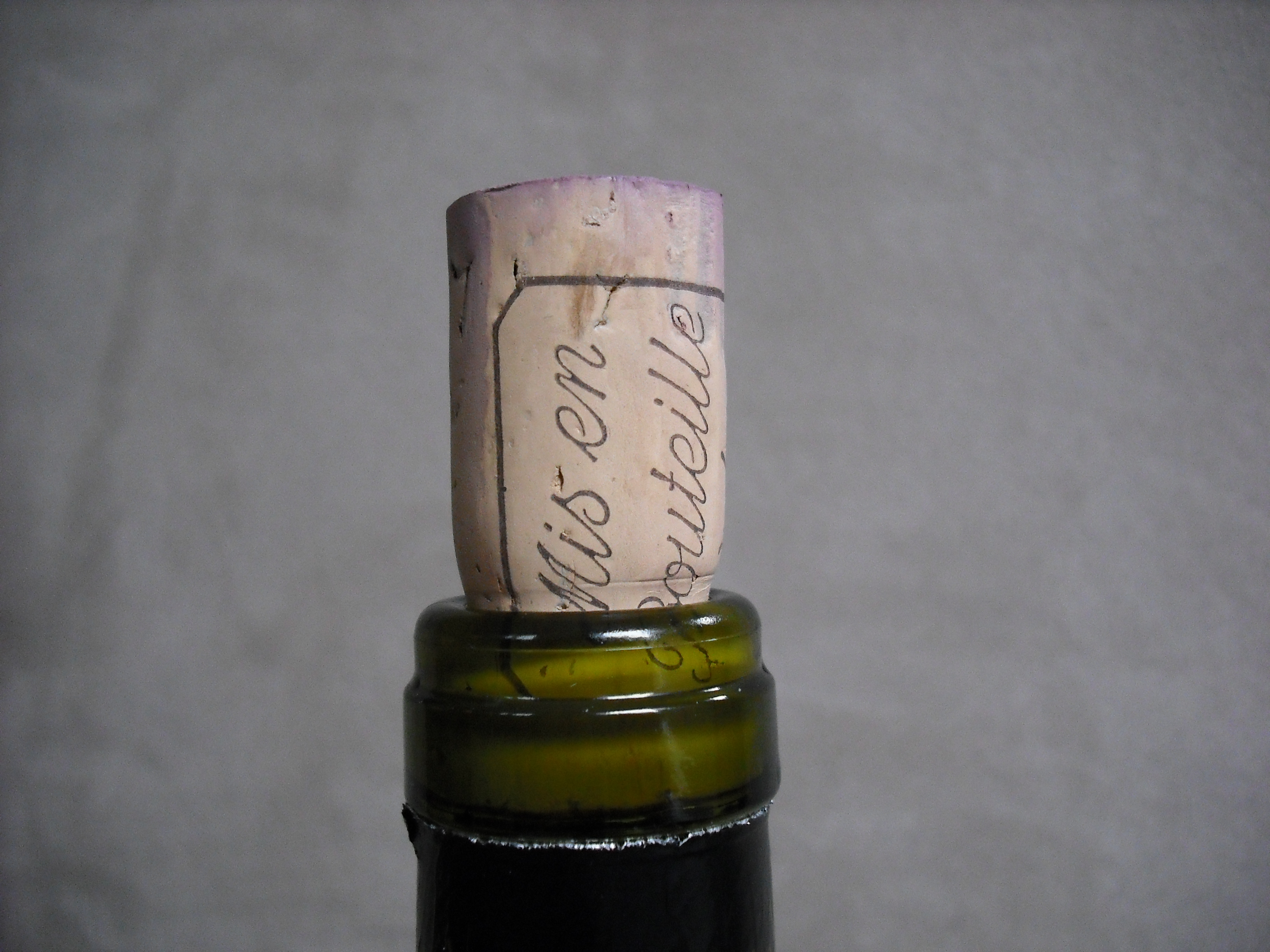
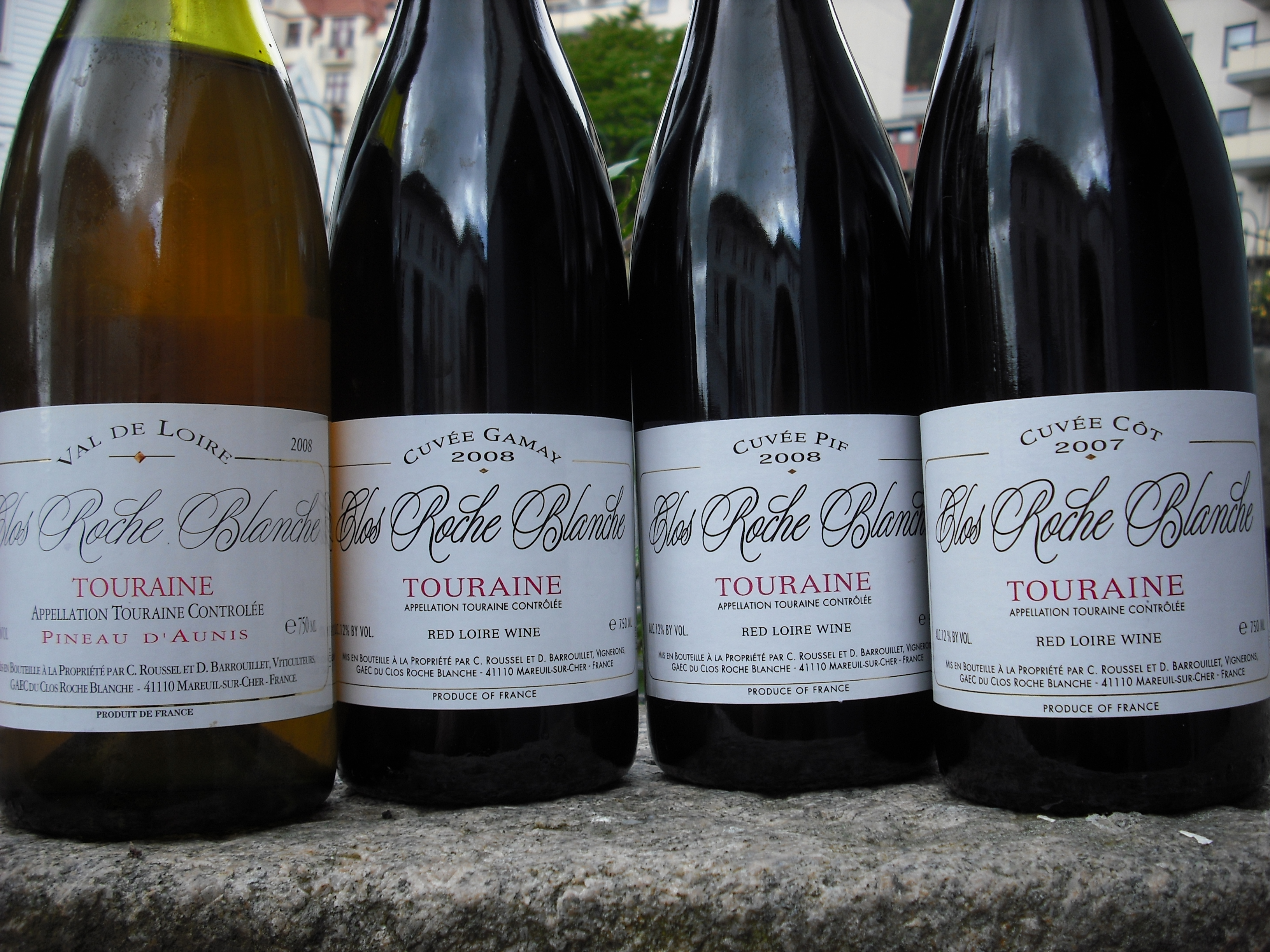
For this entry, the wines were all opened at the same time, Friday July 31st, 2009 at 16:45 (4:45pm) and tasted over the course of one week. Once opened they were simply stored with their original closures and kept in the refrigerator.  I did not pump the air out of the bottles. The first thing that struck me was that three of the four bottles used artificial plastic corks. Only the Cuvée Côt used a real cork. I am not sure how I feel about this as it’s not unusual to use an artificial cork to seal a wine bottle.  However I have to admit that I do find it strange that winemakers who make wines as close to natural as possible are using anything other than real cork.  Please comment on your feelings regarding  this matter.

Here are the wines:

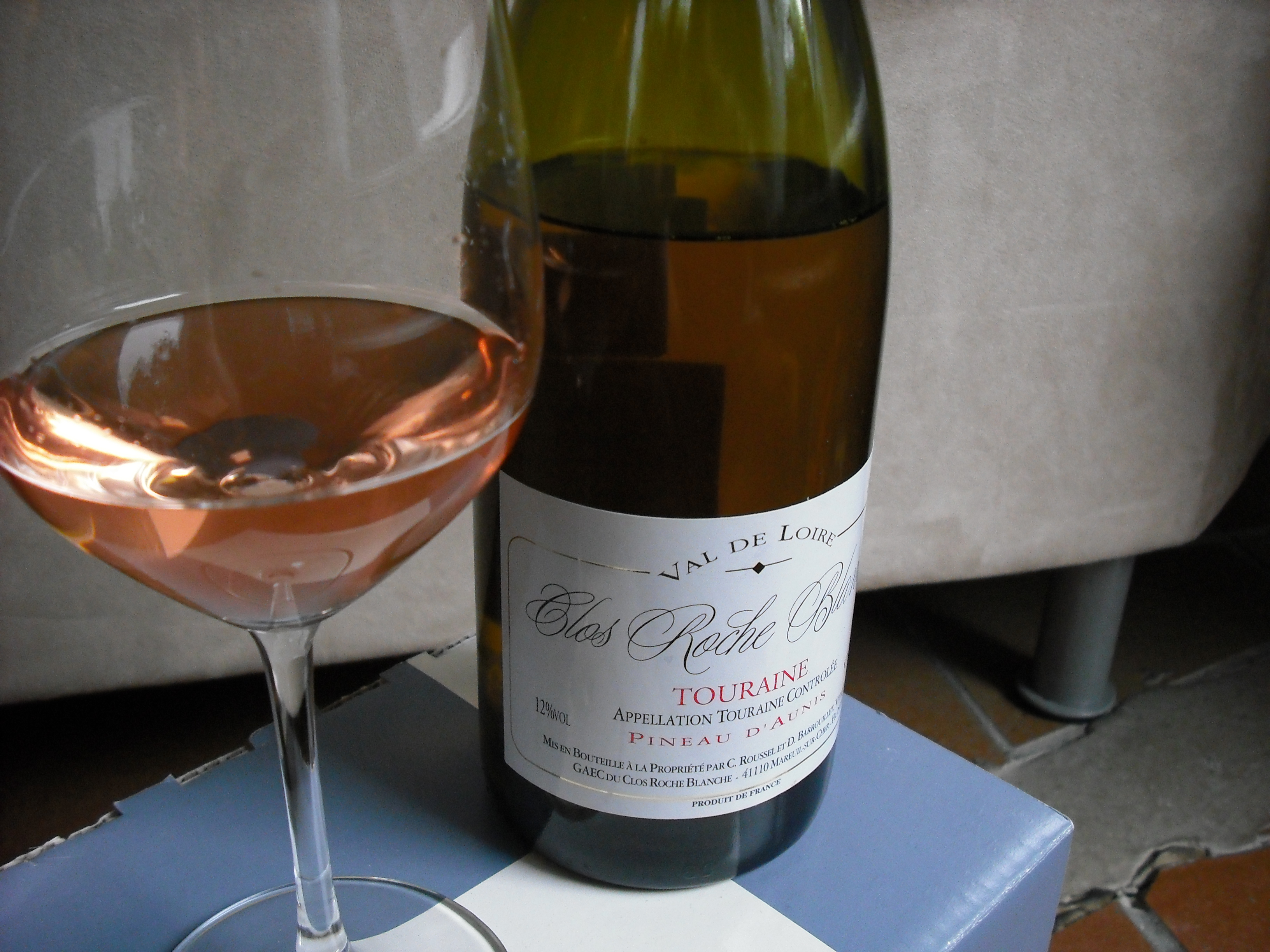
Pineau d’Aunis Rosé 2008 – 12% Alcohol – Synthetic Cork

2009-08-08_82009199

Wine information:
100 % Pineau d’Aunis (Chenin Noir)
Average yield:  18hl/ha
Terroir:  Clay-Siliceous
Manual harvest
Indigenous yeast, no chaptalisation
Vinification:  direct pressing, vinification as “vin gris”
(vin gris is white wine made from red grapes)
12 hours skin maceration
Alcoholic fermentation:  4 months
1700 bottles produced
Price in Norway is 130 NOK ($21)

Friday July 31st, 2009 16:45 (4:45pm)

Appearance: what’s there not to like?!  A beautiful light pink grapefruit color. Absolutely lovely color. Clean with a medium intense glow.

Nose: The first aromas I note can only be described as “vitamin C”, the smell you get when you first open a bottle of vitamin C chewable tablets. Aromas of pink grapefruit, hints of under ripe raspberries (red), hints of yeast  (the first bottle I sampled a few weeks ago had much more dominant yeast aromas which I did not like).  Medium intensity and medium complexity.

Palate: Very dry, with medium to medium plus intensity. Grapefruit and under ripe raspberries also on the palate. Medium body, great concentration and great length with yeast and mineral undertones. Very mild tannins.   Medium to medium plus acid.  Well integrated alcohol.  Wow, much better tasting experience today versus the last time I tasted this wine a few weeks ago.

Saturday August 1st, 2009 14:21 (2:21pm)

Appearance: Not much change, perhaps just a shade darker

Nose: Still pink grapefruit but today the yeasty/leesy smell is a bit more dominant.  Hints of pepper which weren’t there yesterday.

Palate: still the pink grapefruit, put now the hints of pepper were also on the palate.  The yeasty feeling was  less noticeable than on the nose. Acidity is now medium plus (an increase from yesterday). There is a slight CO2 tingle at the front of the tongue. Hints of under ripe raspberry. Definitely more open then yesterday and a bit more serious

Sunday August 2nd, 2009 20:48 (8:48pm) – The wine is at it’s peak today.

Appearance: No change

Nose: A little bit sweeter nose today. Red raspberries, but not too ripe. Still hints of yeast, but it’s more of a peppery yeasty smell today. Citrus, pink grapefruit. Definitely more fruity today. Smells really nice

Palate: Very fruity initially with the raspberries and grapefruit really dominating. Less of the yeast today on the palate and a finish that is very long, fruity with hints of pepper and mineral. Very balanced, fruity and fresh. I am actually loving this wine today. Today is definitely the best it’s been with the biggest improvement being on the fruit – its much more focused today than it has been and seems almost “sweet”, though the wine is bone dry.    To sum up – sour red raspberries, fruity pink grapefruit with surrounding pepper notes and hints of yeast and mineral on the finish.. Wow… Looking forward to tasting it with my two types of Zucchini and red onion pasta.

2009-08-01_1854

Monday August 3rd, 2009 23:28 (11:28pm)

Appearance: No change

Nose: the berries are going more towards wild berries today instead of under ripe raspberries. sweet pink grapefruit, red apples today – weren’t there on the previous days. Overlaying pepper aromas. Hints of yeast, but mellowing with each passing day.  A fruitier “sweeter” nose today.  Although it may sound that the nose is more open today than yesterday, it was actually less appealing to me.

Palate: Acidity seems to have kicked up a notch today, but the fruit at the same time seems “sweeter”. Red apples and raspberries, with a mineral finish with hints of bitterness, like the white part of the grapefruit. Still fresh and drinking well, but perhaps it was a bit more enticing yesterday. The bitterness is dominating a bit on the finish.

Tuesday August 4th, 2009 00:31 (12:31am)

Appearance: No change

Nose: pepper dominates with pink grapefruit. Hints of yeast.  Not volatile. Still smells fine

Palate: sweet pink grapefruit and red raspberries with a peppered finish. The alcohol is bit more noticeable today and the fruit a bit more subdued. It has lost a bit of the fruity edge today. Not as exciting.

Wednesday August 5th, 2009 17:35 (5:35pm)

Appearance: No change

Nose: Still driven by the pink grapefruit and pepper notes. Still no signs of volatility on the nose. Still fresh. Still has hints of yeast..

Palate: Still fresh, but that fruit edge it had on the third day seems to have diminished a bit.  Alcohol a bit  noticeable like it was yesterday. However, still very drinkable, but slipping a bit.

Thursday August 6th, 2009 23:54 (11:54pm) – Possibly peaking, again?

Appearance: No Change

Nose: Very fruity tonight with hints of pencil lead. Very ripe red berries.  Strawberries also showing tonight which I have not seen in the previous nights. No volatile aromas

Palate: Strange wine tonight. Very relaxed, fruity and fun. Ripe red fruit, namely raspberries with hints of strawberries. Also getting the hints of pencil lead on the palate. Hints of red apple, especially the skin.  Very fresh. Long, slightly bitter finish.

This is a wine that I don’t particular enjoy when first opened. It did become enjoyable from Sunday night on with the most exciting nights being Sunday (3rd night open) and Thursday(7th night open).

2009-08-01_1851

Clos Roche Blanche Part I – A Producer Profile

Tuesday, August 4th, 2009

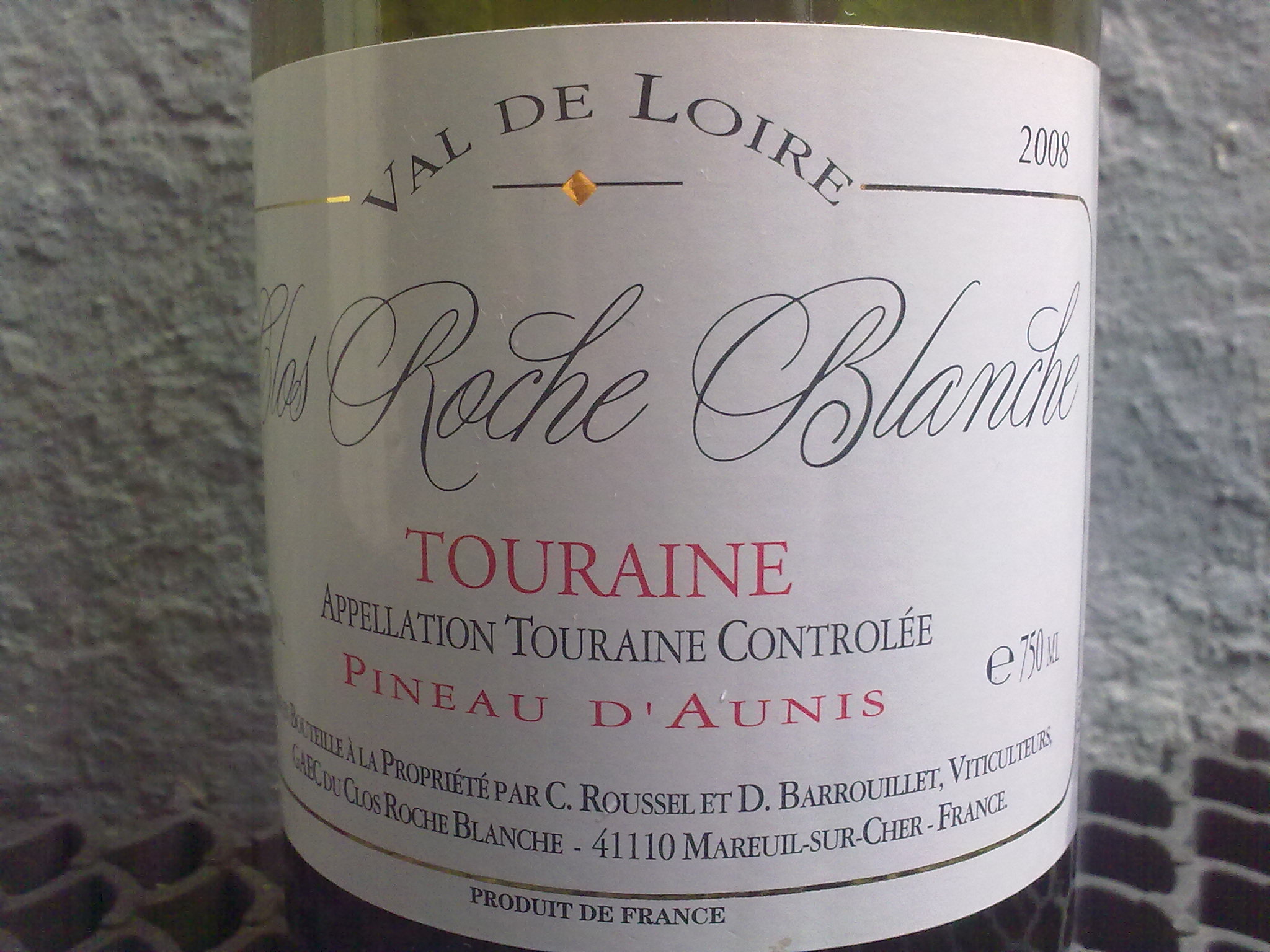
label-detail

Catherine Roussel et Didier Barrouillet
19 Route de Montrichard
41110 Mareuil-sur-Cher

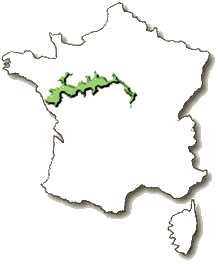
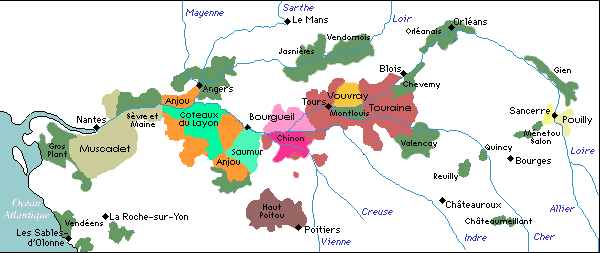
The Clos Roche Blanche Domaine is located  in the Touraine appellation of the Loire Valley in France.  Located almost in the middle of France (see map just below), the Loire Valley is a very large wine region with over 70 appellations stretching from the Atlantic in the far West, to the famous appellations of Sancerre and Pouilly-Fumé  in the far East. It is the largest white wine region in France, but it also produces great reds which are unfortunately often overlooked.

france-map

The principal white grapes of the Loire Valley are:

  • Melon de Bourgogne – used in making the light & fresh Muscadet wines in the far west
  • Chenin Blanc – found in the dry wines of Vouvray and the sweet wines of  Quarts de Chaume
  • Sauvignon Blanc – in the racy wines of Sancerre and Pouilly-Fumé in the East

The principal red grapes of the Loire Valley are:

  • Gamay – found towards the West primarily in Anjou and towards the East in Touraine
  • Cabernet Franc – found in the earthy red wines of Anjou, Saumur, Chinon, Touraine and Bourgueil and some rosé wines as well
  • Pineau d’Aunis – obscure and scarcely seen, yet making a comeback in the fruity red wines of Anjou and the Coteaux du Loire and the less seen Rosé wines of  Touraine (such as the one tasted from Clos Roche Blanche)
  • Côt – also known as Malbec seen mainly in Touraine
  • Pinot Noir – found mostly in the East in the red wines of Reuilly and Sancerre

loire_map

Domaine Clos Roche Blanche has 18 hectares in the Touraine A.O.C.   The Domaine was created at the end of the 19th Century and is situated on the slopes of the valley of the Cher River, and has remained in the family ever since. Catherine Roussel took over the estate from her father in 1975 and was joined later by Didier Barrouillet who tends the vineyards and makes the wine. Both are enthusiastic proponents of non-interventionist wine making.  After the 2009 harvest, they will lease out some of their vineyards to a young female wine grower, reducing their holdings to just 10 hectares.

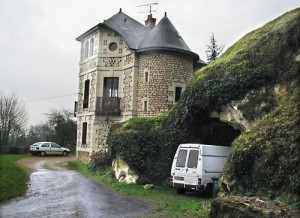
The poor soil is mainly composed of clay with flint and hard sandstone (grès), over a calcareous sub soil.  The wine cellar was carved out in the tuffeau in the same period; the extracted stones were then used to build the living house that overlooks the valley of Cher.

The house and chai - photo courtesy of Bertrand Celce @ wineterroirs.com

The house and chai - photo courtesy of Bertrand Celce @ wineterroirs.com

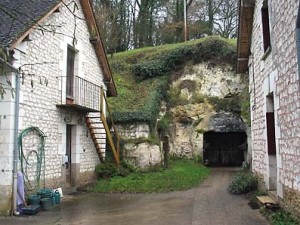
the door to the cellar and chai under hill - photo courtesy of Bertrand Celce @ wineterroirs.com

the door to the cellar and chai under hill - photo courtesy of Bertrand Celce @ wineterroirs.com

The balance between old vines (one 0,5 ha parcel planted with Côt  is more than 100 years old I’m told) and young vines, short pruning and low yields, assures a production of high quality, which they always look to improve.  The have been certified organic (Ecocert) since 1992. No plowing, they use grass and wild flowers between ranks.

The vinification is partly in the cellar, and partly in a cave carved out of the rock (see photo above) close to the vineyards, this helps them to deal with the harvest (done by hand, of course) without much of a delay.  Only indigenous yeasts, no chaptalisation, no use of enzymes or other additives, only a modest use of sulfur when racking the wine (they use CO2 when they bottle) and no filtration. No oak barriques are used, only steel and large format  used barrels for the Cuvée Côt.  This is quite close to my definition of totally natural.

The main production is the Sauvignon Blanc (40% – which ironically I could not get a hold of) and the Gamay (20%), the Côt and the Cabernets – Franc and Sauvignon, the Pineau d’Aunis and Chardonnnay make up the last 40%.

I will be publishing a follow-up to this Clos Roche Blanche producer profile in the next few days with my tasting notes of the Cuvée Pineau d’Aunis Rosé, Cuvée Gamay, Cuvée Pif and Cuvée Côt. The bottles were opened at the same time and tasted over the course of many days.  I often find that wines made more naturally improve tremendously after some days being open.

For more information on the Clos Roche Blanche Domain, visit:

Louis/Dressner Selections

Wine Terroirs

Jim’s Loire

A tasting note: 2002 Frank Cornelissen Magma 2 Marchesa

Tuesday, June 16th, 2009

2009-06-09_62009009Date tasted:  June 9th, 2009

I have written before about Frank Cornelissen.  To refresh your memory, click here for one of my previous tasting notes and more about Frank.

I may not have mentioned this before, but I feel very fortunate to live in Norway when it comes to wine.  We do get our hands on some pretty obscure and rare wines that very few other places in the world get.  This wine is no exception.  The 2002 was his second vintage in which he produced about 2000 bottles total between the 3 Magma’s and one Rosso del Contadino.  In this vintage, Frank Cornelissen produced 3 different single-vineyard bottling’s of the Magma 2.  The Calderara, Trefiletti and the Marchesa vineyards.  Approximately 1300 bottles of the Magma’s were produced.  That’s it.

The Marchesa vineyard is an ungrafted vineyard which is normally very sun exposed and has a good balance between tannins and density.  According to Frank, this was a “backward” vintage, and therefore the alcohol was rather low, even harvesting as late as November 2nd.  Harvest of the Nerello Mascalese grapes are done by hand and the grapes are foot trodden.  The wine was fermented in Amphorae buried in the ground up to the neck (to keep the Amphorae from exploding during fermentation).  Only indigenous yeasts are used of course, and the wine is left to macerate with the skins for between 5 and 6 months.  The wine is bottled directly from the Amphorae without fining nor filtration.  Nothing is added nor taken.  No added SO2.

504 bottles of the Magma 2 Marchesa were produced, approximately 150 came to Norway.  Like I said, I feel fortunate to live in Norway.  Price at time of release, 1000 Norwegian Kroner ($155).

2009-06-09_62009006

Bottle opened at 22:45:

Appearance: Very light red but within 15 minutes darkening to a darkish purple, black then going back to red again within a few minutes.  This is certainly a “living wine”.

Nose: Crushed rose pedals, dark plums, rose hips. Very farmyard, especially dead sheep (the specific dead sheep comparison came from my two Norwegian friends who were tasting with me). Wild, sour, small cherries.  Hints of dark cocoa.  Hints of Macadamia nuts, eucalyptus.  Much more tight and precise than it was the first time I tasted this wine back in 2006. If you breath in deeply, hints of prune juice without the dried fruit aspect.

Palate: Extremely concentrated but very light and fresh with red fruit dominating.  Within a few seconds, the tannins arrived and held firmly.  None of us could sense the 13.7% alcohol, it was extremely well integrated.  The acidity was medium plus and very ripe and “sweet”, but the wine is bone dry.  Hints of plums that have been picked a week before being over ripe,  the fruit is very ripe.  No dried fruit evident.  Sour fruits.  Every sip seems different and has you going back for another.  The wine will most likely run out before we finish analyzing this bottle.  There is a slight nuttiness on the finish with super-ripe fruit that  lingers and these two aromas add incredible complexity to the wine.  One of the most fantastic and interesting wines I have ever tasted, again.

23:15:

Tannins really stepping up, but not dominating.  More nutty macadamia’s starting to show.

23:30:

This is the hard part of this entry, having to write and report the following:

The wine seems to be “dying”.  The finish seems to fade quickly now. The 3 tasters all agreed that the wine was now dead. Perhaps if we had waited, and if we had any wine left, the wine would have come back alive. I am not sure.  I should also mention that this wine was not stored perfectly.

To conclude, I feel that this wine will throw many old school wine people off.  I believe they will most likely say that the nutty aspects of the wine are signs of oxidation and therefore this wine is not a good wine, and therefore not well-made. This being said, you have to remember that when judging  a wine, you must do so as objectively as possible.  You cannot let your personal opinion of weather or not you like the wine enter into the equation.  There are many well-made wines that I just don’t like, that doesn’t change the fact that the wines are well made.

The facts about the Magma 2 Marchesa are that this wine is well made, has tremendous concentration, complex aromas both on the nose and palate, is extremely well-balanced and the finish seems to never end.  These are
facts that are undeniable and in my opinion reflect an excellent, well-made wine.  Don’t get distracted by the nutty aromas and forget the aforementioned quality attributes.

2009-06-09_62009007

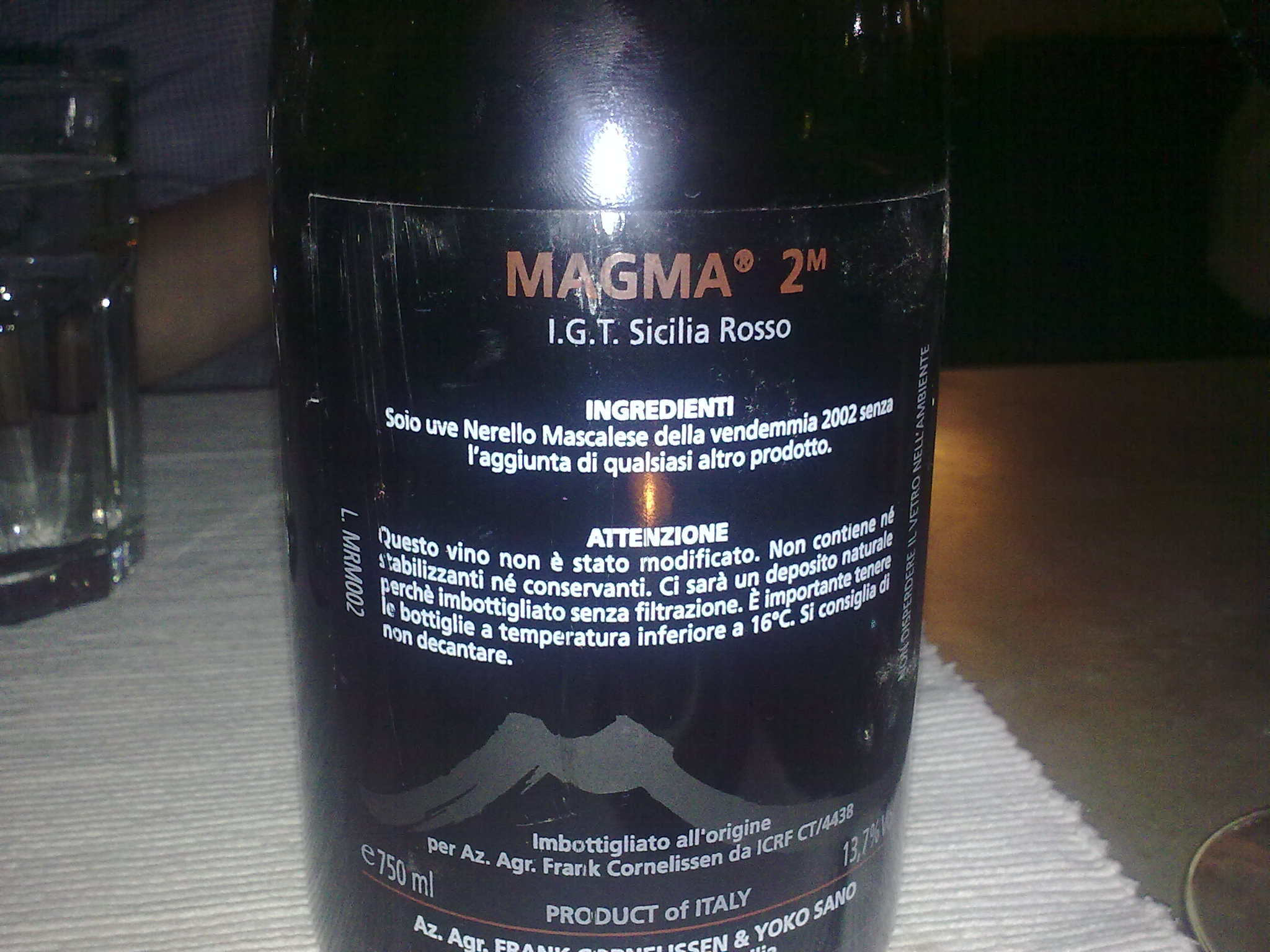
Translation of back label:

Ingredients:  Only Nerello Mascalese Grapes from the 2002 harvest without the addition of any other ingredient.

Attention:  This wine has not been modified.  It doesn’t contain stabilizers nor preservatives.  There will be a natural deposit because the wine has been bottled without filtration.  It’s important to store the bottle at temperature of less than 16°C  (60.8° F).  It’s recommended to not decant.

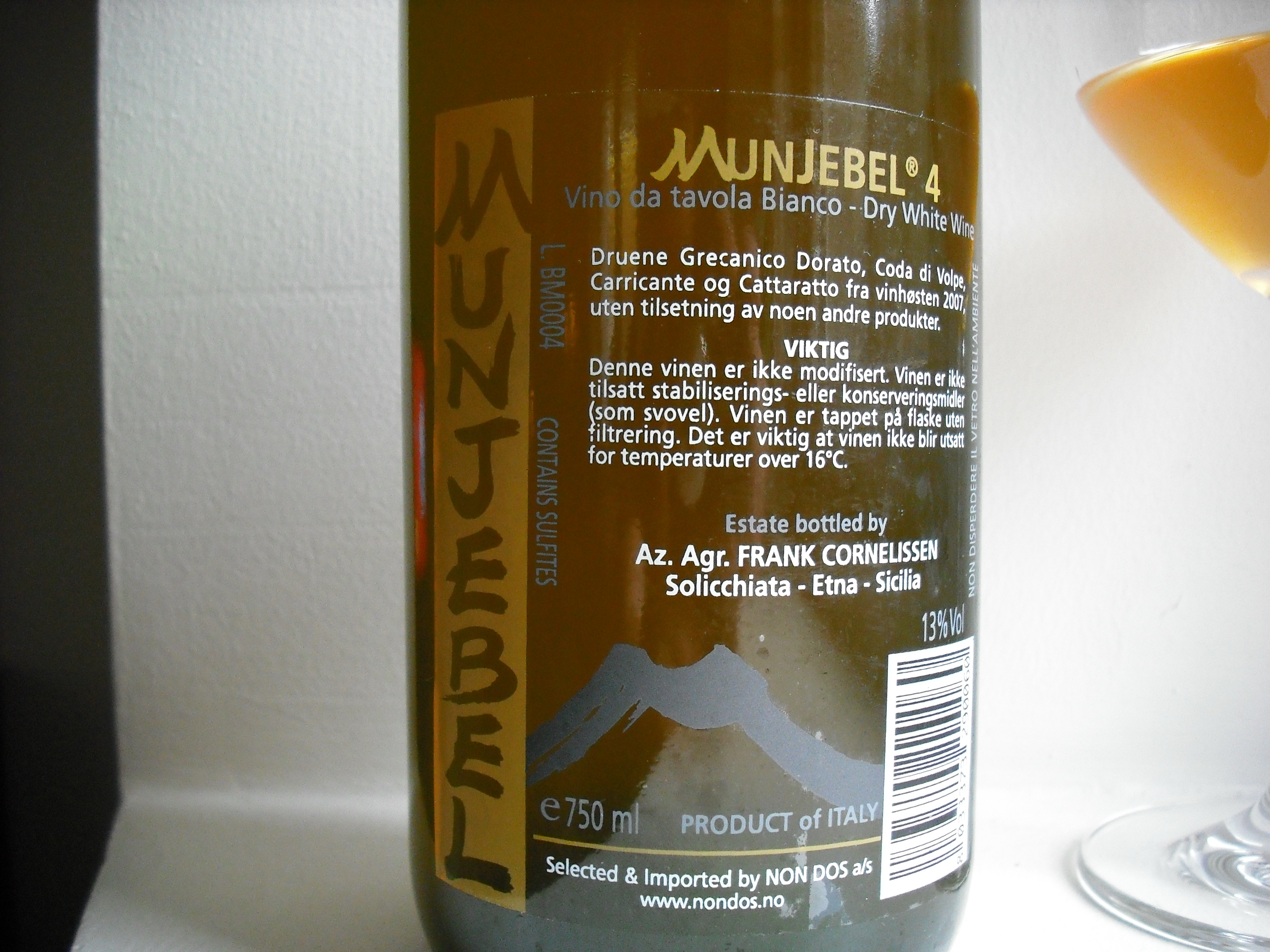
A tasting note: 2007 Frank Cornelissen Munjebel Bianco 4

Wednesday, June 3rd, 2009

2009-06-02_17921

Date tasted:  June 2nd, 2009 15:00(3pm)

Frank Cornelissen owns about 12 ha on Mt. Etna in Sicily. He’s a non-interventionist who says “Consequently this has taken us to avoiding all possible interventions on the land we cultivate, including any treatments, whether chemical, organic, or biodynamic, as these are all a mere reflection of the inability of man to accept nature as she is and will be.”

img_0002

Frank & Alberto at the top of 'Rampante', the pre-phylloxera vineyard at 1010m altitude located above Solicchiata on Mt Etna after the devasting forest fire of 3 full days & nights.

On a postcard I recently received, he goes on to say  “To produce a bottle of genuine, natural wine, the recipe is simple:  take large quantities of dedication, determination, intuition and coherence.  To these ingredients throw in a strong dose of masochism in order to physically and emotionally survive the difficulties and downsides of this ‘Art of Wine’.  Finally, enjoy a glass (or more) of this wine, before sending the rest around the world to good homes.”

Of all the “natural” wines I have tasted, Frank’s are always the most interesting.  I am not saying that his wines are the most well-made of the natural wines I have tasted, but his are always the most engergetic.  And, definitely the most natural tasting compared to his counterparts.  From the very rustic labeling, to the almost opaque  wines that are very obviously not filtered nor fined.

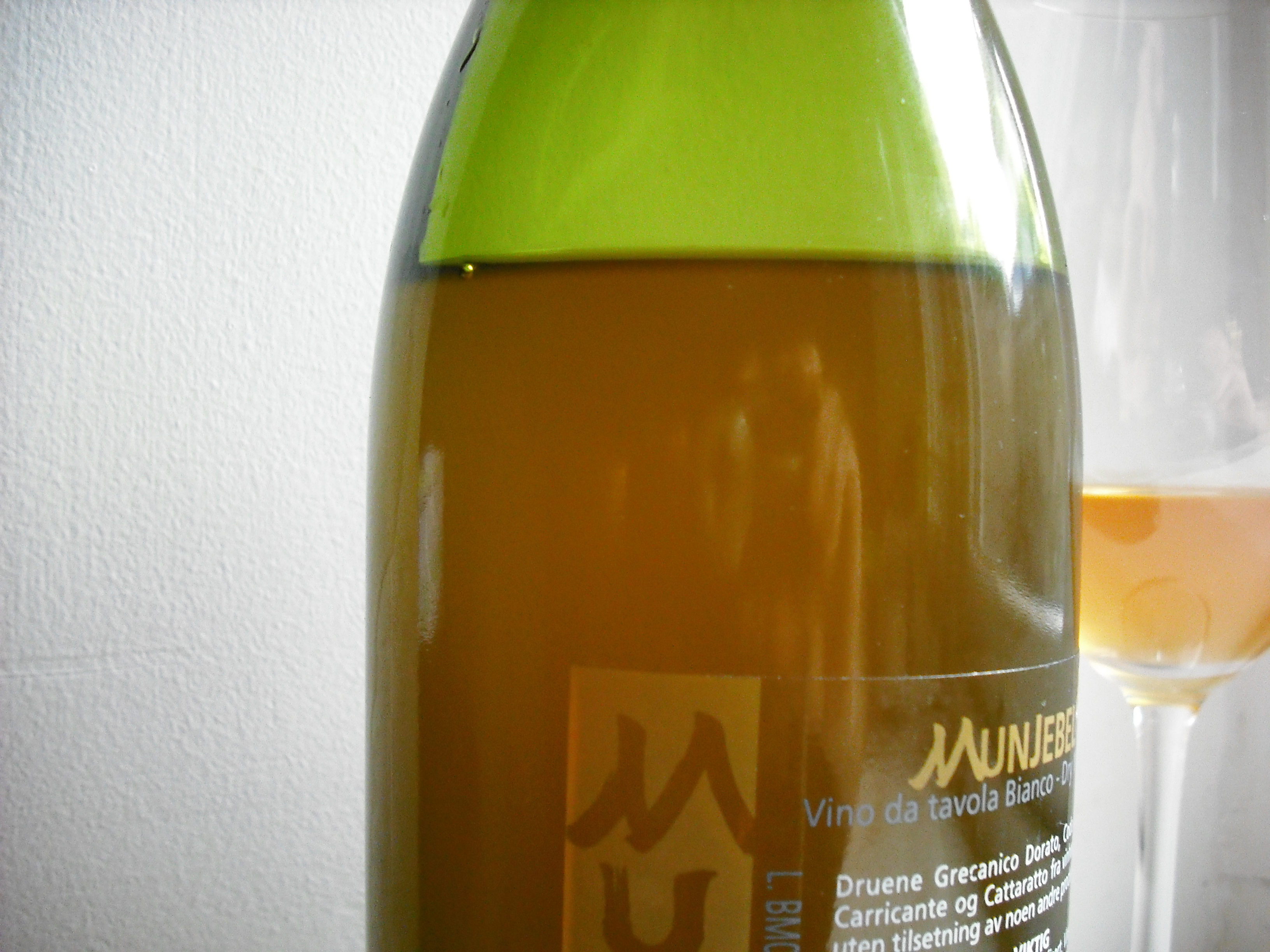
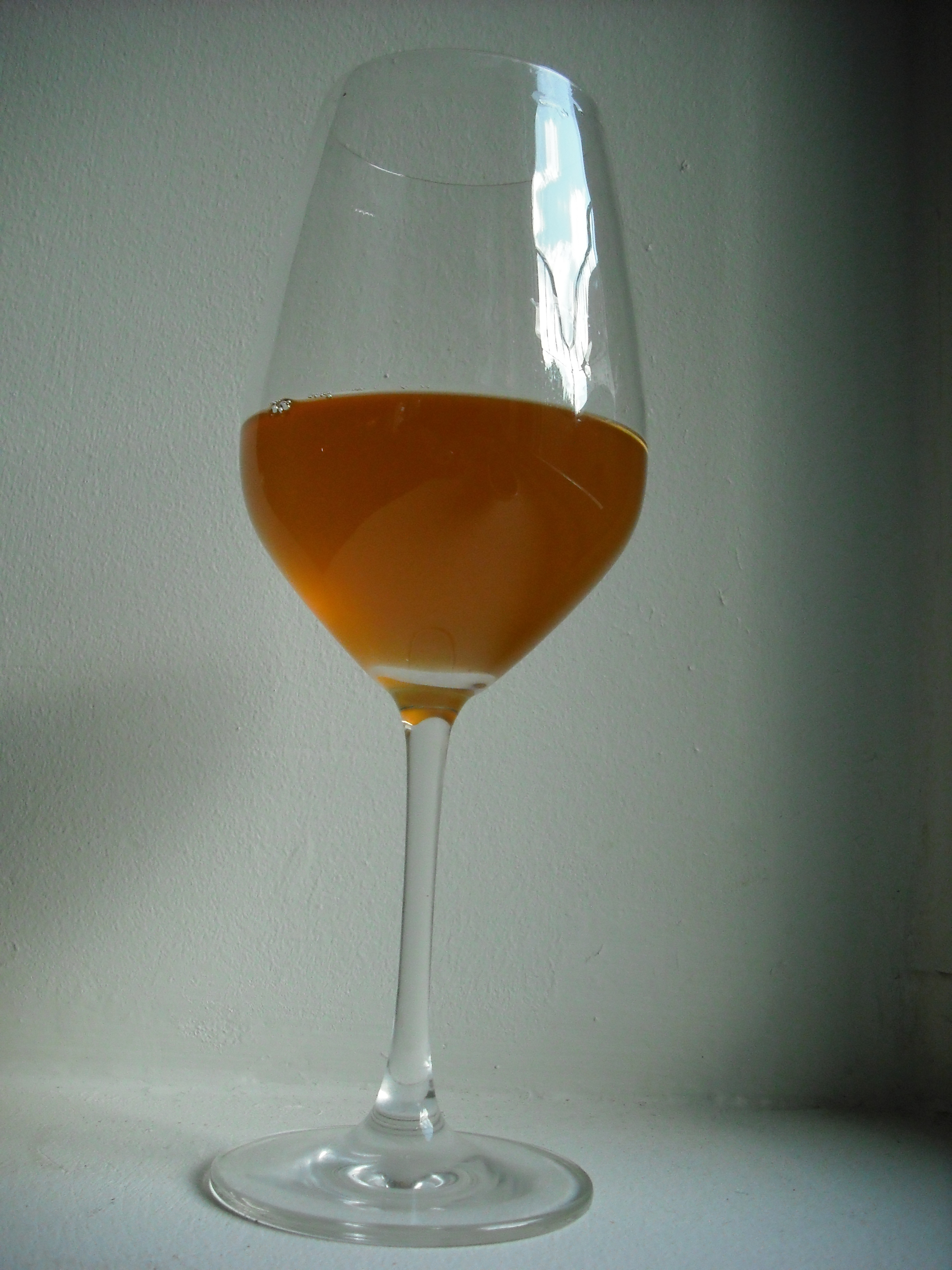
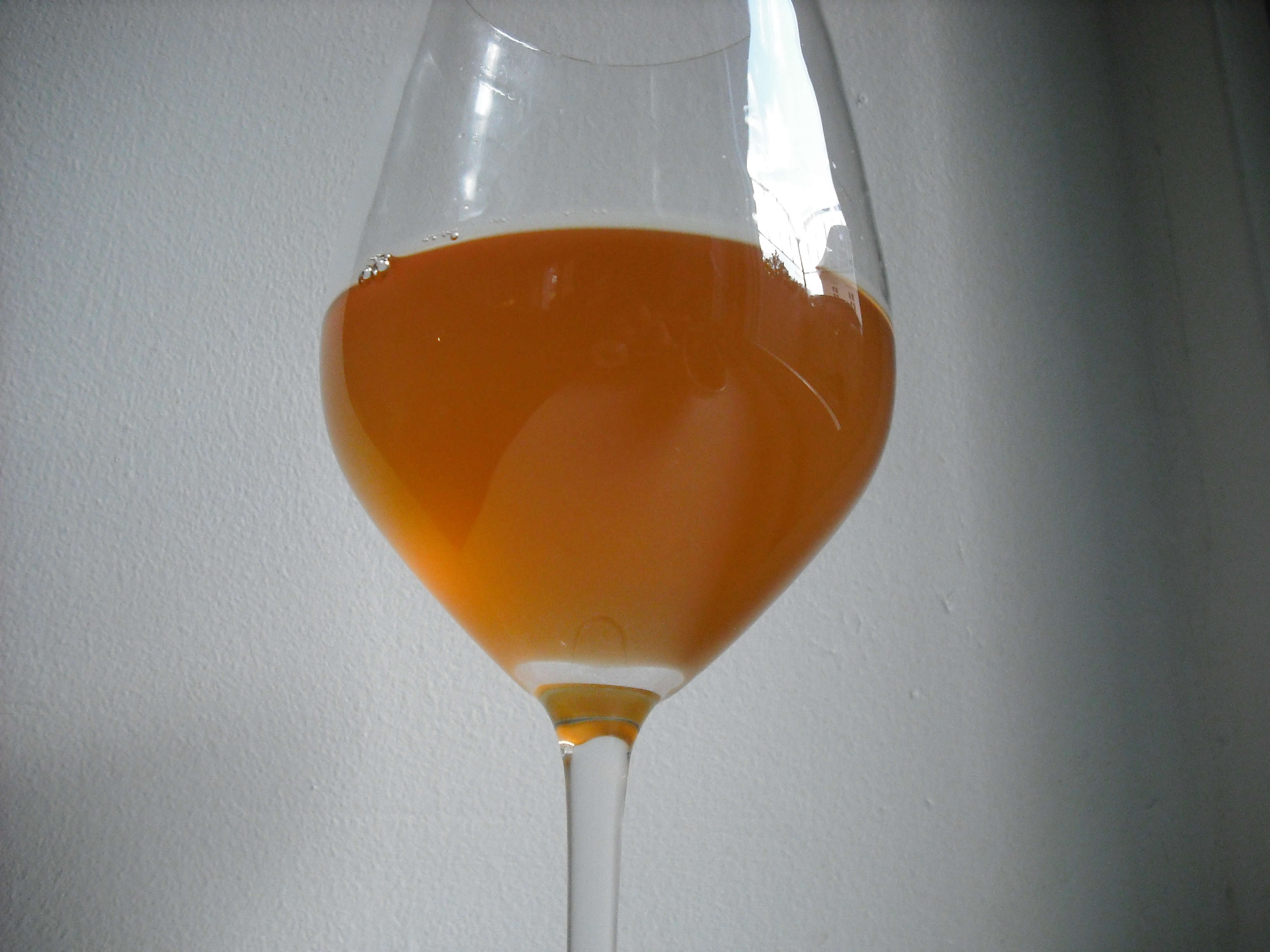
This “orange” wine is no exception.  Made from the local (white grapes) Grecanico Dorato, Coda di Volpe, Carricante and Cattaratto grapes, this orange wine is barely see through.  This cloudy wine is so packed full of sediment that I swore I could see chunks of grapes floating towards the bottom of the bottle.  Of course this is a “slight” exaggeration, but it sure made me happy knowing that this wine was made from something (grapes) that was growing wild in the vineyards, and nothing else.   His wines are the most natural of the natural wines I have tasted, and this wine was no exception.  His wines have a certain “energy” about them which is hard to put in words, but they make you feel good.

The grapes for this wine come from various vineyards on Mount Etna owned and cared for by Frank.  Frank harvests the approximate 13ha/hl of grapes totally by hand.  The bunches of grapes are put into a destemmer and crushed, not pressed at this time.  This machine is more of a crusher than a destemmer as it hardly removes any of the stems at all.

The must is then placed into plastic containers in his backyard (no temperature control here) which are then covered with a tent-like plastic material to keep the rain out.  Of course only indigenous yeast here.  The wine is left to spontaneously ferment and macerate with the skins for about 4 months giving the wine it’s apricot-hued glow.  The wine is then pressed into Amphorae with the help of gravity and then bottled.  Absolutely nothing else is added to this wine. Nothing.  Not even SO2 (Sulfur Dioxide).  The wine is not fined nor filtered before being bottled and this is evident.  Since Frank bottle’s his wine without filtration, the last wines bottled have more sediment than the first ones.

2009-06-02_1795

First tasting 1500 (3pm):

Appearance: A very cloudy, unfiltered appearance.  Loads of sediment which are very visible to the naked eye.  In the glass, the wine has an apricot juice hue with a medium intensity.  It is hard to analyze intensity with an unfiltered wine of this type (wine with high intensity glows can indicate a high level of intensity and vice versa).

2009-06-02_18092009-06-02_18112009-06-02_18002009-06-02_1803

Nose: Apricots with hints of minerals and loads of farmyard (those of you familiar with red Burgundy know what I am talking about).  The distinctive (for me) Cornelissen pickle juice.  Dry hay and flowers.

Palate: Wild just like the other Cornelissen wines.  Typical.  A little tingle at the front of the tongue initially from the slight residual CO2, which quickly burns off with a little swirling of the glass.  Medium minus tannins.  High acidity, but not harsh, just mouth watering and mature.  Pickles and smoke.  Kumquats.  Essence of apricots and peaches, but not sweet.    Bone dry with around 2g/liter of residual sugar according to my palate.

Second tasting 1809 (609pm):

Nose: Much more pickles and farmyard.  Less distinct apricots.  The apricot aromas I do get are of unripe apricots.

Palate: Medium minus tannins.  Rosemary, sweet yellow fruit at the back end, apricots.  Finish is long and persistent with mild tannins, great acid and smokey flavors.  The wine sits and sits.

Interesting to note that although the wine was dry, it paired well with sweeter dishes.  It worked well with my honey and lemon marinated chicken.  It was also working surprising well with my Mexican Cactus Fruit.. Strange….

I’m always fascinated with the fact that the few bottles of natural wine that I manage to keep open a few days seem to only improve.

2009-06-02_1796

Please check out my video wine tasting of Frank Cornelissen’s Rosso del Contadino! Click below and forgive the quality:

Wine Tasting with Vinosseur – 2007 Frank Cornelissen Rosso del Contadino 5 from vinosseur on Vimeo.